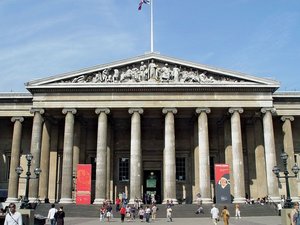
コンラート・マイトの肖像画

世界的に有名なコンラート・マイトの名作9点、そのすべてが唯一無二の芸術品

11月 2026 更新 · 当サイトの人気スコア(各作品の検索数、閲覧数、注文数)に基づくランキング · 9点の コンラート・マイトの作品がカタログにあります

要約すると

Philibert of Savoy (1515)はコンラート・マイトの作品の中で最も注目を集めている絵画です。原画はロンドンの大英博物館に所蔵されています。 その後、視線はLucretia (1500)とJudith (1510)へと移ります。 当カタログに含まれるコンラート・マイトの9点の作品のうち、これら9点は最も有名な作品です。制作年、所蔵美術館、そして時代を超えて愛される理由とともに、一点もののオリジナル作品をご紹介します。

1485 – 1551 Renaissance 最多収蔵館: 大英博物館

ギャラリーの視点で選ぶ、コンラート・マイトによるトップ10作品

1
Philibert of Savoy (1515) による コンラート・マイト

Philibert of Savoy

1515 · Acrylic On Canvas · 大英博物館, ロンドン

Conrad Meit’s bronze bust of Philibert of Savoy, crafted in 1515, transcends mere portraiture; it embodies the calculated power and restrained dignity of a Renaissance noble. More than just a likeness, this sculpture offers a glimpse into the political landscape of early sixteenth-century Italy – a world of intricate alliances, dynastic ambitions, and the subtle art of projecting authority. The piece resides within the British Museum’s collection, a testament to…

2
Lucretia (1500) による コンラート・マイト

Lucretia

1500 · Wood · メトロポリタン美術館, ニューヨーク

To stand before this depiction of Lucretia is to encounter a moment suspended between profound virtue and tragic destiny. The figure, rendered in what appears to be richly toned wood or terracotta, possesses an arresting physicality that speaks volumes without uttering a single word. Her form is captured in a state of exquisite vulnerability; the gentle downward tilt of her head suggests deep introspection, perhaps wrestling with an unbearable moral…

4
Mars and Venus (1515) による コンラート・マイト

Mars and Venus

1515 · Bronze · Germanisches Nationalmuseum, ニュルンベルク

The bronze figures of Mars and Venus emerge from the shadows of history, frozen in a moment of divine interaction. Created by the sculptor Conrad Meit, this work captures the Roman god of war and the goddess of love in a state of perpetual, silent engagement. The figures exist in a space where the tension between conflict and desire meets, as the two deities reach toward one another through deliberate,…

5
Tomb of Philibert le Beau of Savoy (1530) による コンラート・マイト

Tomb of Philibert le Beau of Savoy

1530 · Sculpture

The Tomb of Philibert le Beau of Savoy by Conrad Meit is a significant funerary monument located at the Royal Monastery of Brou in Bourg-en-Bresse, France. Produced between 1526 and 1531, the work commemorates Philibert II, Duke of Savoy. It was commissioned for the royal family of Savoy, specifically as part of a larger sculptural program within the monastery.

7
Margaret of Austria (1515) による コンラート・マイト

Margaret of Austria

1515 · Acrylic On Canvas · 大英博物館, ロンドン

Conrad Meit's bronze bust of Margaret of Austria, created around 1515, is more than a mere likeness; it’s a carefully constructed embodiment of power, piety, and the weighty responsibilities borne by one of Europe’s most influential women. The image, recently reproduced with remarkable fidelity, immediately draws the eye to the subject's serene expression – a quiet dignity that belies the turbulent political landscape she navigated for decades. The subtle lines…

8
Sibyl (1532) による コンラート・マイト

Sibyl

1532 · Stone · ブル修道院, ブール=アン=ブレ

The sculpture Sibyl by Conrad Meit presents a close-up study of a solitary figure. Positioned centrally within the frame, the woman’s head turns slightly to one side, caught in a moment of quiet contemplation. Her expression remains serene and introspective, a stillness held within the stone. The composition focuses entirely on this central presence, drawing the eye to the delicate features and the weight of her gaze.

9
Head of a Man in the Antique Manner (1515) による コンラート・マイト

Head of a Man in the Antique Manner

1515 · Acrylic On Canvas · J・ポール・ゲティ美術館, ロサンゼルス

Conrad Meit's "Head of a Man in the Antique Manner," created around 1515, isn’t merely a sculpted bust; it’s a poignant meditation on time, mortality, and the enduring allure of antiquity. Executed in boxwood – a material prized for its durability and resonant tone – this piece transcends the limitations of its medium to evoke a profound sense of inner stillness. Meit, a master of German Renaissance sculpture, skillfully captures…

コンラート・マイトが心を惹かれた主題

これらのオリジナル作品に繰り返し描かれている4つの主題と、それぞれの最高傑作。

コンラート・マイトの原画を所蔵する美術館

このページに掲載されている絵画を最も多く所蔵している 7 の美術館

美術館 都市 コンラート・マイトの作品 このリストの絵画
大英博物館, ロンドン大英博物館 ロンドン 2 Philibert of Savoy, Margaret of Austria
メトロポリタン美術館, ニューヨークメトロポリタン美術館 ニューヨーク 1 Lucretia
バイエルン国立博物館, ミュンヘンバイエルン国立博物館 ミュンヘン 1 Judith
Germanisches Nationalmuseum, ニュルンベルクGermanisches Nationalmuseum ニュルンベルク 1 Mars and Venus
サン=ミシェル=エ=グドゥル大聖堂, ブリュッセルサン=ミシェル=エ=グドゥル大聖堂 ブリュッセル 1 Virgin and Child
ブル修道院, ブール=アン=ブレブル修道院 ブール=アン=ブレ 1 Sibyl
J・ポール・ゲティ美術館, ロサンゼルスJ・ポール・ゲティ美術館 ロサンゼルス 1 Head of a Man in the Antique Manner

コンラート・マイトの数十年にわたる軌跡:それぞれに唯一無二のオリジナル作品を

年代別作品数

その時代を象徴する名作を見るために、年代を選択してください。

コンラート・マイトの絵画:ギャラリーへの質問

コンラート・マイトの最も有名な作品は何ですか?答えを見る

Philibert of Savoy (1515)(大英博物館, ロンドン)。次いでLucretia (1500)、Judith (1510)が続きます。

コンラート・マイトがPhilibert of Savoyを制作したのは何歳の時ですか?答えを見る

30歳:Philibert of Savoyは1515年の作品で、コンラート・マイトの生年は1485年です。

コンラート・マイトの既知の作品数は?答えを見る

当カタログには、1500年から1532年にかけて制作されたコンラート・マイトによる9点の作品が収められています。

最も有名なコンラート・マイトのオリジナル作品はどこで見ることができますか?答えを見る

主に大英博物館 (ロンドン), メトロポリタン美術館 (ニューヨーク) と バイエルン国立博物館 (ミュンヘン)に所蔵されています。上記の美術館一覧にすべて記載されています。

コンラート・マイトが最も有名な作品を制作したのは、どの時期ですか?答えを見る

1510s年:このページにある全9作品のうち、5作品がその時期に制作されました。そのうちPhilibert of Savoy作品が含まれます。

コンラート・マイトの有名な絵画の中で、最も古い作品と最も新しい作品はどれですか?答えを見る

このページでは、最も古い作品はLucretia (1500)、最新の作品はSibyl (1532)です。

コンラート・マイトが好んだ主題は何ですか?答えを見る

このページに掲載されている9点の作品におけるSculpture (4), Woman (3) と Portraiture (2)

コンラート・マイトが最も多く使用した画材は何ですか?答えを見る

このページに掲載されている全9作品のうち、3作品のAcrylic On Canvas

コンラート・マイトの作品は、どの芸術運動に属していますか?答えを見る

このページに掲載されているオリジナル作品から判断すると、Renaissanceです。

大英博物館では、コンラート・マイトのオリジナル作品を何点鑑賞できますか?答えを見る

Philibert of Savoy と Margaret of Austria:大英博物館, ロンドンには、このページに掲載されている作品のうち2点が所蔵されています。

コンラート・マイト:アーティストの肖像画

Sandro Botticelli: The Poet of Florence

Alessandro di Mariano Filipepi, better known as Sandro Botticelli, remains one of the most beloved and instantly recognizable figures in the history of Western art. Born in Florence in 1445, he emerged from a family deeply rooted in the Florentine artisan world – his father was a tanner, a craft intimately connected to the city’s identity. While initially apprenticed to a goldsmith, Botticelli's true passion lay in painting, a path guided by the influential master Filippo Lippi, whose dynamic style and mastery of technique profoundly shaped the young artist’s development. This early exposure to Lippi’s approach—characterized by a vibrant palette, expressive figures, and a keen awareness of linear perspective—laid the foundation for Botticelli's distinctive artistic voice. Botticelli’s formative years were marked by a deliberate study of classical antiquity, a trend increasingly prevalent in Renaissance Florence. He meticulously examined sculptures from the Roman era, absorbing their idealized forms and graceful compositions. This fascination with the past would become a defining characteristic of his work, informing his choice of subjects and influencing his artistic style. His early works demonstrate a clear debt to the Gothic tradition, yet they quickly evolved into something uniquely his own—a synthesis of classical ideals and Renaissance innovation. The name Botticelli itself is derived from “Botticello,” a diminutive form of Giovanni Botticeli, his elder brother who operated as a pawnbroker.

The Birth of Venus and Primavera: Defining the Florentine Renaissance

Botticelli’s artistic reputation soared with the creation of two monumental works that have become synonymous with the spirit of the Florentine Renaissance: *The Birth of Venus* (1486) and *Primavera* (c. 1477-1482). *The Birth of Venus*, depicting the goddess Venus emerging from a giant scallop shell, captivated audiences with its ethereal beauty and allegorical complexity. The painting’s delicate colors, flowing drapery, and graceful figures embody the Renaissance fascination with classical mythology and humanism. Similarly, *Primavera* is a complex tapestry of mythological figures—Venus, Flora, Zephyrus, Mercury, and Cupid—arranged within a lush, idealized landscape. The painting's intricate details, vibrant hues, and symbolic references to Neoplatonic philosophy reflect Botticelli’s engagement with contemporary intellectual currents. These works weren’t merely decorative; they were carefully constructed narratives designed to evoke profound emotions and convey complex ideas.

A Painter of Patrons and Portraits

Botticelli's career was inextricably linked to the patronage system that flourished in Renaissance Florence. He served several prominent families, including the Medici, the de’ Medici, and the Pitti, providing them with a continuous stream of commissions for religious paintings, allegorical scenes, and portraits. His portraiture, particularly his depictions of members of the Medici family, is notable for its psychological depth and subtle elegance. He captured not just physical likenesses but also conveyed a sense of character and personality—a remarkable achievement for the time. Botticelli’s ability to adapt his style to suit the tastes of his patrons demonstrates his versatility as an artist and his understanding of the social dynamics of Renaissance Florence.

Later Years and Legacy

As Botticelli aged, his artistic style underwent a subtle transformation. His later works, such as *Adoration of the Magi* (1482), exhibit a greater emphasis on linear clarity and a more restrained palette compared to his earlier, more exuberant paintings. Some scholars believe that this shift reflects a growing disillusionment with the political turmoil and religious conflicts that plagued Florence during his later years. Despite these changes, Botticelli’s artistic legacy remains undiminished. His paintings continue to inspire awe and admiration for their beauty, grace, and profound symbolic meaning. He is remembered not only as one of the greatest painters of the Florentine Renaissance but also as a poet—a master of visual storytelling who captured the spirit of his age with unparalleled skill and sensitivity. Botticelli died in Florence in 1510 at the age of 65, leaving behind a body of work that continues to resonate with audiences centuries later. His influence on subsequent generations of artists is undeniable, cementing his place as a pivotal figure in the history of Western art.