Colin Gillの肖像画

世界的に有名なColin Gillの名作22点、そのすべてが唯一無二の芸術品

11月 2026 更新 · 当サイトの人気スコア(各作品の検索数、閲覧数、注文数)に基づくランキング · 24点の Colin Gillの作品がカタログにあります

要約すると

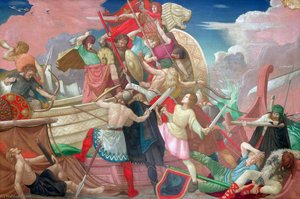
King Alfred's Longships Defeat the Danes, 877 (1927)はColin Gillの作品の中で最も注目を集めている絵画です。原画はロンドンのParliamentary Art Collectionに所蔵されています。 その後、視線はEvening after a Push (1919)とCaptain Albert Jacka (1893–1932), VC, MC and Bar (1919)へと移ります。 当カタログに含まれるColin Gillの24点の作品のうち、これら22点は最も有名な作品です。制作年、所蔵美術館、そして時代を超えて愛される理由とともに、一点もののオリジナル作品をご紹介します。

1892 – 1940, Bexleyheath Expressionism 最多収蔵館: Imperial War Museum

ギャラリーの視点で選ぶ、Colin Gillによるトップ10作品

2
Evening after a Push (1919) による Colin Gill

Evening after a Push

1919 · Oil On Canvas · Imperial War Museum, ロンドン

The artwork titled Evening after a Push was created by the artist Colin Gill. This specific work dates to about 1919. The artist, who was born in 1892 in Bexleyheath, United Kingdom, produced this piece during a period following the First World War. Gill's life concluded in 1940.

3
Captain Albert Jacka (1893–1932), VC, MC and Bar (1919) による Colin Gill

Captain Albert Jacka (1893–1932), VC, MC and Bar

1919 · Oil On Canvas

In this 1919 oil portrait, we find ourselves in the presence of Captain Albert Jacka. The composition is intimate, a medium shot that focuses our attention on the man’s face and the structured lines of his military uniform. He is seated, a posture that suggests a moment of stillness amidst the heavy history of his service. The palette is restrained, dominated by olive and forest greens that lend a sense…

4
Heavy Artillery (1919) による Colin Gill

Heavy Artillery

1919 · Oil On Canvas

In the chaotic aftermath of the Great War, Colin Gill captures a moment of intense, grinding labor within Heavy Artillery. Created in 1919, this large-scale work confronts the viewer with the sheer scale of industrial warfare. The scene unfolds as a crowded, restless landscape where the machinery of conflict meets the exhaustion of the men tasked with its upkeep. Two massive howitzers dominate the space, their surfaces covered in a…

5
Boadicea at Colchester, 61 AD (1938) による Colin Gill

Boadicea at Colchester, 61 AD

1938 · Oil On Canvas

In this large-scale oil painting from 1938, we find ourselves drawn into a scene of profound drama set within a classical Roman environment. The composition is dense, crowded with figures that create a sense of vastness and immediate chaos. At the heart of this narrative is the central figure of Boadicea, surrounded by a multitude of onlookers and attendants whose expressions range from horror to compassion. The scale of the…

Colin Gillの名作、11〜22点目

Colin Gillが心を惹かれた主題

これらのオリジナル作品に繰り返し描かれている4つの主題と、それぞれの最高傑作。

Colin Gillの原画を所蔵する美術館

このページに掲載されている絵画を最も多く所蔵している 3 の美術館

美術館 都市 Colin Gillの作品 このリストの絵画
Imperial War Museum, ロンドンImperial War Museum ロンドン 5 Evening after a Push, A Gunner, Heavy Artillery
Parliamentary Art Collection, ロンドンParliamentary Art Collection ロンドン 1 King Alfred's Longships Defeat the Danes, 877
Government Art Collection, ロンドンGovernment Art Collection ロンドン 1 Café Bar

Colin Gillの数十年にわたる軌跡:それぞれに唯一無二のオリジナル作品を

年代別作品数

その時代を象徴する名作を見るために、年代を選択してください。

Colin Gillの絵画:ギャラリーへの質問

Colin Gillの最も有名な作品は何ですか?答えを見る

King Alfred's Longships Defeat the Danes, 877 (1927)(Parliamentary Art Collection, ロンドン)。次いでEvening after a Push (1919)、Captain Albert Jacka (1893–1932), VC, MC and Bar (1919)が続きます。

Colin GillがKing Alfred's Longships Defeat the Danes, 877を制作したのは何歳の時ですか?答えを見る

35歳:King Alfred's Longships Defeat the Danes, 877は1927年の作品で、Colin Gillの生年は1892年です。

Colin Gillの最も有名な10作品は何ですか?答えを見る

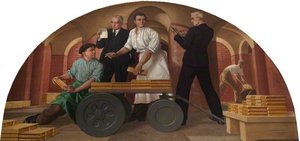
King Alfred's Longships Defeat the Danes, 877, Evening after a Push, Captain Albert Jacka (1893–1932), VC, MC and Bar, Heavy Artillery, Boadicea at Colchester, 61 AD, Moving Gold in the Old Gold Vault, A Gunner, Heavy Artillery, Fampoux と The Captive。上記のランキングには、それぞれの制作年と所蔵美術館が記載されています。

Colin Gillの既知の作品数は?答えを見る

当カタログには、1918年から1940年にかけて制作されたColin Gillによる24点の作品が収められています。

最も有名なColin Gillのオリジナル作品はどこで見ることができますか?答えを見る

主にImperial War Museum (ロンドン), Parliamentary Art Collection (ロンドン) と Government Art Collection (ロンドン)に所蔵されています。上記の美術館一覧にすべて記載されています。

Colin Gillが最も有名な作品を制作したのは、どの時期ですか?答えを見る

1910s年:このページにある全22作品のうち、11作品がその時期に制作されました。そのうちEvening after a Push作品が含まれます。

Colin Gillの有名な絵画の中で、最も古い作品と最も新しい作品はどれですか?答えを見る

このページでは、最も古い作品はThe Captive (1918)、最新の作品はCatherine (1940)です。

Colin Gillが好んだ主題は何ですか?答えを見る

このページに掲載されている22点の作品におけるSoldiers (2) と Isolation (2)

Colin Gillが最も多く使用した画材は何ですか?答えを見る

このページに掲載されている全22作品のうち、4作品のOil On Canvas

Colin Gillの作品は、どの芸術運動に属していますか?答えを見る

このページに掲載されているオリジナル作品から判断すると、Expressionismです。

Imperial War Museumでは、Colin Gillのオリジナル作品を何点鑑賞できますか?答えを見る

Evening after a Push, A Gunner と Heavy Artillery:Imperial War Museum, ロンドンには、このページに掲載されている作品のうち5点が所蔵されています。

Colin Gill:アーティストの肖像画

The Visionary of the Great War: The Life and Legacy of Colin Unwin Gill

To look upon the works of Colin Unwin Gill is to witness a profound dialogue between the brutal realities of modern warfare and the timeless elegance of classical tradition. Born in 1892, Gill possessed an artistic sensibility that was uniquely shaped by both his English heritage and his early exposure to the light and grandeur of Italy. His journey through the prestigious Slade School of Fine Art provided him with a foundation of disciplined draughtsmanship, yet it was his time in Rome—as the first recipient of the Rome Scholarship in Decorative Painting—that infused his work with a sense of monumental scale and decorative grace. This rare blend of classical training and contemporary observation would later become the hallmark of an artist capable of capturing the soul of a nation in its darkest hour.

The trajectory of Gill’s career was irrevocably altered by the outbreak of the First World War. Serving as a second lieutenant in the Royal Garrison Artillery, he experienced firsthand the harrowing landscape of the Western Front. His service was not merely one of combat but of technical observation; as a camouflage officer, he developed an acute eye for the interplay of light, shadow, and concealment. This period of intense, often traumatic experience—marked by the physical toll of gas poisoning and frostbite—became the crucible in which his most significant artistic themes were forged. When he eventually transitioned into the role of a war artist, he did so not as a detached observer, but as a man who had breathed the very dust and smoke of the trenches.

A Mastery of Memory and Symbolism

Gill’s contribution to the visual record of the Great War extends far beyond simple reportage. His work for the Imperial War Graves Commission and the British War Memorials Committee sought to transcend the immediate carnage to find a deeper, more spiritual resonance. In masterpieces such as Evening after a Resupply and Heavy Artillery, one finds a hauntingly beautiful use of expressionist style and dramatic lighting. He utilized large-scale oil canvases to create immersive environments where the heavy machinery of war is rendered with a startling, almost surreal realism. Through his brush, the patchwork camouflage of a howitzer or the weary posture of a soldier becomes a symbol of both human endurance and the overwhelming weight of industrial conflict.

The depth of his artistry can be observed through several key elements of his technique:

  • Emotional Realism: A profound ability to depict the psychological exhaustion of soldiers, moving past mere physical likeness to capture the internal landscape of loss and resilience.
  • Decorative Grandeur: The influence of his Roman training, which allowed him to approach large-scale murals with a sophisticated understanding of composition and monumental form.
  • Symbolic Depth: The use of light and shadow to create atmospheric tension, turning scenes of military life into allegories for the human condition.

An Enduring Artistic Significance

Though his life was tragically cut short in 1940, Colin Unwin Gill left behind a body of work that serves as a vital bridge between the classical past and the fractured modern era. His ability to weave together the decorative traditions of the early twentieth century with the raw, unvarnished truths of the battlefield ensured that his murals and portraits would remain much more than historical artifacts. They are living monuments to remembrance. Whether capturing the quiet tension of a Café Bar in wartime London or the stoic dignity of a decorated hero like Captain Albert Jacka, Gill’s art continues to resonate with an evocative power that speaks to the enduring strength of the human spirit amidst the shadows of history.