Bertram Nichollsの肖像画

ギャラリー厳選、Bertram Nichollsによる最も有名な36の絵画

11月 2026 更新 · 当サイトの人気スコア(各作品の検索数、閲覧数、注文数)に基づくランキング · 39点の Bertram Nichollsの作品がカタログにあります

要約すると

Bertram Nichollsが遺したオリジナル作品の中で最も有名なものは、バクストンのBuxton Museum - Art Galleryに収蔵されているBridgnorth, Shropshire (1943)です。 それに次いで、By a Sussex Stream (1926)とPorto Rocco, Orvieto, Italy (1926)が続きます。 Bertram Nichollsによる39点の作品をカタログに掲載しています。当ギャラリーでは、世界が称賛する36点を選定し、制作年、所蔵美術館、そしてその背景にある物語とともにご紹介しています。

1883 – 1974 Contemporary realism 最多収蔵館: The National Trust For Scotland

Bertram Nichollsの代表作10選:ギャラリー厳選の作品集

1
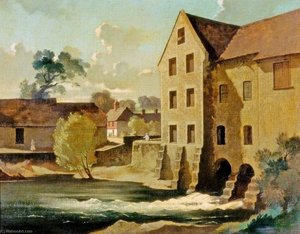
Bridgnorth, Shropshire (1943) による Bertram Nicholls

Bridgnorth, Shropshire

1943 · Buxton Museum - Art Gallery, バクストン

The painting Bridgnorth, Shropshire by Bertram Nicholls is a captivating representation of a quaint town in the English countryside. Created in 1943, this oil on canvas piece measures 54 x 76 cm and is currently housed at the Buxton Museum - Art Gallery in Buxton, United Kingdom. The scene features a picturesque town situated near a river with a bridge crossing it, surrounded by lush greenery and charming buildings. Composition…

5
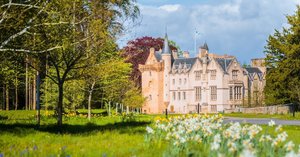
Pitigliano (1926) による Bertram Nicholls

Pitigliano

1926 · Oil · The National Trust For Scotland, フォレス

In the quiet, evocative strokes of Bertram Nicholls’ 1926 masterpiece, Pitigliano, we are transported to a world where history breathes through the very architecture of the landscape. The painting captures the enchanting Italian town of Pitigliano, famously carved into the volcanic tuff rock, presenting a scene that feels less like a mere depiction and more like a rediscovered memory. At the heart of the composition stands a formidable stone castle,…

6
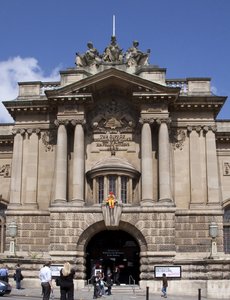
Washing in a Stream at Gouda (1928) による Bertram Nicholls

Washing in a Stream at Gouda

1928 · Bristol Museum - Art Gallery, ブリストル

In the quietude of 1928, Bertram Nicholls captured a moment of profound stillness in his evocative work, Washing in a Stream at Gouda. This painting invites the viewer into a pastoral dreamscape where the boundaries between human presence and the natural world seem to dissolve. At its heart, the composition centers on a gentle stream flowing beneath a weathered stone bridge, a structure that speaks of time's passage and the…

Bertram Nichollsのセレクションが続きます、11から36まで

Bertram Nichollsが心を惹かれた主題

これらのオリジナル作品に繰り返し描かれている4つの主題と、それぞれの最高傑作。

Bertram Nichollsの原画を所蔵する美術館

このページに掲載されている絵画を最も多く所蔵している 8 の美術館

美術館 所在都市 Bertram Nichollsの作品 このリストの絵画
The National Trust For Scotland, フォレスThe National Trust For Scotland フォレス 3 Pitigliano, A Mountain Village, Philippe le Bel's Tower
Buxton Museum - Art Gallery, バクストンBuxton Museum - Art Gallery バクストン 2 Bridgnorth, Shropshire, Wilton Bridge, Ross on Wye, Herefordshire
Harris Museum - Art Gallery, プレストンHarris Museum - Art Gallery プレストン 2 By a Sussex Stream, Ragusa
Bristol Museum - Art Gallery, ブリストルBristol Museum - Art Gallery ブリストル 2 Washing in a Stream at Gouda, Assisi
Government Art Collection, ロンドンGovernment Art Collection ロンドン 2 Le mammelle d'Italia, Lambeth Bridge
Guildhall Art Gallery, ロンドンGuildhall Art Gallery ロンドン 1 Porto Rocco, Orvieto, Italy
Maidstone Museum - Bentlif Art Gallery, メイドストーンMaidstone Museum - Bentlif Art Gallery メイドストーン 1 San Giovanni Nepomuceno
Touchstones Rochdale, ロッチデールTouchstones Rochdale ロッチデール 1 Easby Abbey, Richmond, North Yorkshire

Bertram Nichollsの年代別名作:各時代を象徴するオリジナル作品

年代別作品数

その時代を象徴する名作を見るために、年代を選択してください。

Bertram Nichollsの絵画に関するコレクターからの質問

Bertram Nichollsの代表作は何ですか?答えを見る

Bridgnorth, Shropshire (1943)(Buxton Museum - Art Gallery, バクストン)。次いでBy a Sussex Stream (1926)、Porto Rocco, Orvieto, Italy (1926)が続きます。

Bridgnorth, Shropshireが制作されたとき、Bertram Nichollsは何歳でしたか?答えを見る

60歳:Bridgnorth, Shropshireは1943年の作品で、Bertram Nichollsの生年は1883年です。

Bertram Nichollsの最も有名な10作品とは?答えを見る

Bridgnorth, Shropshire, By a Sussex Stream, Porto Rocco, Orvieto, Italy, Goodrich Village, Herefordshire, Pitigliano, Washing in a Stream at Gouda, Picturesque Steyning, Drying the Sails, Steyning Church, Sussex と The Bridge。上記のランキングには、それぞれの制作年と所蔵美術館が記載されています。

Bertram Nichollsが遺した作品数は?答えを見る

当カタログには、1914年から1949年にかけて制作されたBertram Nichollsによる39点の作品が収められています。

Bertram Nichollsの名作は、どの美術館に収蔵されていますか?答えを見る

主にThe National Trust For Scotland (フォレス), Buxton Museum - Art Gallery (バクストン) と Harris Museum - Art Gallery (プレストン)に所蔵されています。上記の美術館一覧にすべて記載されています。

Bertram Nichollsが最も有名な作品を多く描いたのは何年ですか?答えを見る

1920s年:このページにある全36作品のうち、16作品がその時期に制作されました。そのうちBy a Sussex Stream作品が含まれます。

Bertram Nichollsによる最初と最後の代表的なオリジナル作品は何ですか?答えを見る

このページでは、最も古い作品はPicturesque Steyning (1914)、最新の作品はLambeth Bridge (1949)です。

Bertram Nicholls が最も多く描いた主題は何ですか?答えを見る

このページに掲載されている36点の作品におけるBridge (2), People (2) と Dog (2)

Bertram Nichollsはどの芸術運動に属していますか?答えを見る

このページに掲載されているオリジナル作品から判断すると、Contemporary realismです。

The National Trust For ScotlandにはどのBertram Nichollsの作品が展示されていますか?答えを見る

Pitigliano, A Mountain Village と Philippe le Bel's Tower:The National Trust For Scotland, フォレスには、このページに掲載されている作品のうち3点が所蔵されています。

Bertram Nicholls:生涯と作品

The Quiet Observer: The Life and Legacy of Bertram Nicholls

Born in the industrious heart of Didsbury, Manchester, on September 26th, 1883, Bertram Nicholls emerged as a painter of profound stillness and atmospheric grace. As the youngest child of William Andrews Nicholls, a local fruit merchant, and Mary Allen, his early years were rooted in the steady rhythms of Northern English life. His journey toward artistic mastery began at the Manchester Grammar School, but it was his subsequent enrollment at the prestigious Slade School of Fine Art between 1901 and 1904 that would fundamentally reshape his vision. Under the tutelage of Reginald Barber, Nicholls began to move beyond mere representation, seeking instead a deeper connection with the light and tonal harmonies that define the natural world.

The foundations of his style were laid by the giants of British art history. He drew deep inspiration from the meticulous observation found in the works of Joshua Reynolds and the landscape sensibilities of Richard Wilson. These early influences instilled in him a reverence for compositional balance and a sophisticated understanding of how light interacts with texture. His formative years were further enriched by encounters with the Staithes Group, particularly Frederick Jackson, whose commitment to plein air painting—the practice of painting directly from nature—encouraged Nicholls to capture the immediate, breathing essence of the British countryside.

A Journey Through Light and Stone

In 1904, a transformative voyage to Madrid introduced Nicholls to the profound complexities of Baroque mastery. Immersing himself in the works of Diego Velázquez, he developed an acute sensitivity to the rendering of light and the structural integrity of composition. This Spanish influence would later manifest in his ability to imbue even the most tranquil landscapes with a sense of monumental presence. Upon returning to England, Nicholls’ work began to reflect a unique synthesis of styles; he absorbed the innovative color palettes of Whistler and the atmospheric grandeur of Turner, blending them into a personal language characterized by understated beauty and quietude.

His travels across Europe provided him with an endless repertoire of subjects, from the rugged, sun-drenched architecture of Italy to the pastoral serenity of the Netherlands. In his 1926 masterpiece, Pitigliano, one can witness his ability to turn stone into memory, capturing an Italian town carved from volcanic tuff with a tactile precision that makes the ancient masonry feel almost palpable. Similarly, in works such as Washing in a Stream at Gouda (1928), he achieved a rare dissolution of boundaries between human presence and the natural world, using soft, painterly brushstrokes to evoke the misty, restorative solitude of a Dutch landscape.

The Resilience of Vision

The trajectory of Nicholls’ life was not without its interruptions by the turbulence of history. During the First World War, he served in the Kite Balloon Service of the Royal Flying Corps. This period of aerial reconnaissance offered him a unique, panoramic perspective on the landscape—a view from above that likely deepened his understanding of spatial relationships and the sweeping contours of the earth. This experience of observing the world from a detached, soaring height may have contributed to the sense of peaceful, observational distance found in his later landscapes.

Throughout his long life, which concluded in 1974, Nicholls remained dedicated to the pursuit of the "quiet landscape." His oeuvre stands as a testament to the power of subtle emotion and the enduring beauty of the everyday. Whether depicting a sun-dappled quay in Italy or a muted, impressionistic stream in Sussex, his work continues to resonate with those seeking a moment of respite. His historical significance lies in his ability to bridge the gap between the rigorous traditions of the Slade School and a modern, emotive approach to light, ensuring that his paintings remain timeless windows into a world of profound peace.