バサワンの肖像画

世界的に有名なバサワンの名作13点、そのすべてが唯一無二の芸術品

11月 2026 更新 · 当サイトの人気スコア(各作品の検索数、閲覧数、注文数)に基づくランキング · 13点の バサワンの作品がカタログにあります

要約すると

Mihrdukht aims her arrow at the ring (1570)はバサワンの作品の中で最も注目を集めている絵画です。原画はニューヨークのメトロポリタン美術館に所蔵されています。 その後、視線はThe hunter offers the mother parrot to the king of Kamarupa, from a Tuti-nama (Tales of a Parrot): Fifth Night (1560)とThe hunter throws away the baby parrots, who pretend to be dead, and captures the mother, from a Tuti-nama (Tales of a Parrot): Fifth Night (1560)へと移ります。 当カタログに含まれるバサワンの13点の作品のうち、これら13点は最も有名な作品です。制作年、所蔵美術館、そして時代を超えて愛される理由とともに、一点もののオリジナル作品をご紹介します。

1560 – 1600, ニューデリー 最多収蔵館: クリーブランド美術館

ギャラリーの視点で選ぶ、バサワンによるトップ10作品

1
Mihrdukht aims her arrow at the ring (1570) による バサワン

Mihrdukht aims her arrow at the ring

1570 · Tempera · メトロポリタン美術館, ニューヨーク

The air holds its breath as Mihrdukht leans over the balcony, her focus narrowing to a single, slender point. She aims her arrow at the ring, a gesture that freezes the very pulse of the court. Below her, the world unfolds in layers of architectural precision and organic life. Attendants and observers gather in the shadows of the structure, their eyes drawn upward to the woman and her task. The…

バサワンの名作、11〜13点目

バサワンの原画を所蔵する美術館

このページに掲載されている絵画を最も多く所蔵している 6 の美術館

美術館 所在都市 バサワンの作品 このリストの絵画
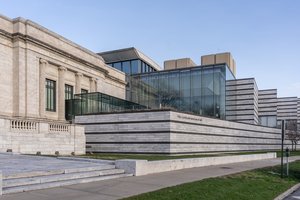
クリーブランド美術館, クリーブランドクリーブランド美術館 クリーブランド 8 The hunter offers the mother parrot to the king of Kamarupa, from a Tuti-nama (Tales of a Parrot): Fifth Night, The hunter throws away the baby parrots, who pretend to be dead, and captures the mother, from a Tuti-nama (Tales of a Parrot): Fifth Night, The donkey, in a tiger’s skin, reveals his identity by braying aloud, from a Tuti-nama (Tales of a Parrot): Thirty-first Night
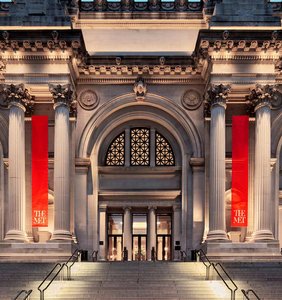
メトロポリタン美術館, ニューヨークメトロポリタン美術館 ニューヨーク 1 Mihrdukht aims her arrow at the ring
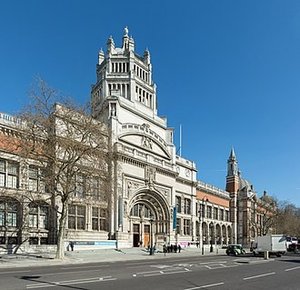
ヴィクトリア&アルバート博物館, ロンドンヴィクトリア&アルバート博物館 ロンドン 1 Akbar visits the tomb of Khwajah Mu'in ad-Din Chishti at Ajmer
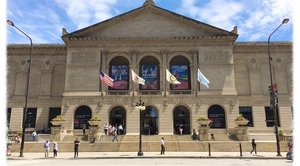
シカゴ美術館, シカゴシカゴ美術館 シカゴ 1 The Young Emperor Akbar Arrests the Insolent Shah Abu’l-Maali, page from a manuscript of the Akbarnama
サンディエゴ美術館, サンディエゴサンディエゴ美術館 サンディエゴ 1 The Virgin and Child
ハーバード美術館, ケンブリッジハーバード美術館 ケンブリッジ 1 A Mughal and a Rajput Converse at Dusk

バサワンの数十年にわたる軌跡:それぞれに唯一無二のオリジナル作品を

年代別作品数

その時代を象徴する名作を見るために、年代を選択してください。

バサワンの絵画:ギャラリーへの質問

バサワンの最も有名な作品は何ですか?答えを見る

Mihrdukht aims her arrow at the ring (1570)(メトロポリタン美術館, ニューヨーク)。次いでThe hunter offers the mother parrot to the king of Kamarupa, from a Tuti-nama (Tales of a Parrot): Fifth Night (1560)、The hunter throws away the baby parrots, who pretend to be dead, and captures the mother, from a Tuti-nama (Tales of a Parrot): Fifth Night (1560)が続きます。

バサワンがMihrdukht aims her arrow at the ringを制作したのは何歳の時ですか?答えを見る

10歳:Mihrdukht aims her arrow at the ringは1570年の作品で、バサワンの生年は1560年です。

バサワンの最も有名な10作品は何ですか?答えを見る

Mihrdukht aims her arrow at the ring, The hunter offers the mother parrot to the king of Kamarupa, from a Tuti-nama (Tales of a Parrot): Fifth Night, The hunter throws away the baby parrots, who pretend to be dead, and captures the mother, from a Tuti-nama (Tales of a Parrot): Fifth Night, The donkey, in a tiger’s skin, reveals his identity by braying aloud, from a Tuti-nama (Tales of a Parrot): Thirty-first Night, A feast for Babur hosted by his half-brother Jahangir Mirza in Ghazni in May 1505, from a Babur-nama (Memoirs of Babur), Akbar visits the tomb of Khwajah Mu'in ad-Din Chishti at Ajmer, The Young Emperor Akbar Arrests the Insolent Shah Abu’l-Maali, page from a manuscript of the Akbarnama, The Virgin and Child, The siege of Arbela in the era of Hulagu Khan, from a Chingiz-nama (Book of Chingiz Khan) of the Jami al-tavarikh (Compendium of Chronicles) of Rashid al-Din (Persian, 1247–1318) と Page from Tales of a Parrot (Tuti-nama): text page。上記のランキングには、それぞれの制作年と所蔵美術館が記載されています。

バサワンの既知の作品数は?答えを見る

当カタログには、1570年から1596年にかけて制作されたバサワンによる13点の作品が収められています。

最も有名なバサワンのオリジナル作品はどこで見ることができますか?答えを見る

主にクリーブランド美術館 (クリーブランド), メトロポリタン美術館 (ニューヨーク) と ヴィクトリア&アルバート博物館 (ロンドン)に所蔵されています。上記の美術館一覧にすべて記載されています。

バサワンが最も有名な作品を制作したのは、どの時期ですか?答えを見る

1590s年:このページにある全13作品のうち、4作品がその時期に制作されました。そのうちAkbar visits the tomb of Khwajah Mu'in ad-Din Chishti at Ajmer作品が含まれます。

バサワンの有名な絵画の中で、最も古い作品と最も新しい作品はどれですか?答えを見る

このページでは、最も古い作品はMihrdukht aims her arrow at the ring (1570)、最新の作品はThe siege of Arbela in the era of Hulagu Khan, from a Chingiz-nama (Book of Chingiz Khan) of the Jami al-tavarikh (Compendium of Chronicles) of Rashid al-Din (Persian, 1247–1318) (1596)です。

クリーブランド美術館では、バサワンのオリジナル作品を何点鑑賞できますか?答えを見る

The hunter offers the mother parrot to the king of Kamarupa, from a Tuti-nama (Tales of a Parrot): Fifth Night, The hunter throws away the baby parrots, who pretend to be dead, and captures the mother, from a Tuti-nama (Tales of a Parrot): Fifth Night と The donkey, in a tiger’s skin, reveals his identity by braying aloud, from a Tuti-nama (Tales of a Parrot): Thirty-first Night:クリーブランド美術館, クリーブランドには、このページに掲載されている作品のうち8点が所蔵されています。

バサワン:アーティストの肖像画

Basawan: The Pioneer of Mughal Portraiture

Basawan (flourished 1580–1600), a name whispered with reverence in Indian art history, stands as one of the foremost figures of the Mughal miniature tradition. Though shrouded in obscurity—details about his life remain scant—his legacy endures through his breathtaking depictions of human subjects within the monumental Akbarnama, cementing his place as an innovator who elevated portraiture to unprecedented heights. Born in New Delhi during a period of significant cultural exchange between Persia and India, Basawan’s artistic journey began amidst the opulent courts of Akbar the Great. His formative years were spent under the tutelage of Abd al-Samad, a renowned artist whose influence profoundly shaped Basawan's stylistic sensibilities. This mentorship instilled within him a meticulous observation of human anatomy and expression—a hallmark that distinguishes his work from contemporaries.
  • Akbarnama Influence: Basawan’s contribution to the Akbarnama is arguably his most celebrated achievement. Unlike previous chronicles, Akbar commissioned a series of portraits capturing not merely royal figures but also individuals representing diverse social strata – scholars, musicians, and artisans. This bold decision signaled a departure from conventional artistic practices and established Basawan as a trailblazer in portraying human character with remarkable realism.
  • Color Palette & Technique: Basawan’s mastery lay primarily in his exceptional color palette and technique. Utilizing opaque watercolor pigments combined with gold leaf—a practice considered revolutionary at the time—he achieved luminous hues and textural depth that captivated viewers. His meticulous layering of colors created an illusionistic effect, mirroring the subtleties of light and shadow and conveying a profound sense of atmosphere.
  • Family Legacy: Basawan’s artistic lineage continued through his son Manohar Das, who carried on the family tradition as a court painter. Today, the Das family maintains a thriving manufacturing business specializing in handcrafted carpets—a tangible connection to their ancestral heritage and a testament to the enduring influence of Basawan's artistic vision.

Exploring His Artistic Output: Beyond Akbarnama Illustrations

While the Akbarnama undoubtedly represents Basawan’s magnum opus, evidence suggests he engaged in diverse artistic endeavors extending beyond royal commissions. Fragments of manuscripts depicting scenes from Hindu mythology—particularly those featuring Tara Kalan—offer glimpses into his versatility and willingness to explore different thematic concerns. These works demonstrate a keen understanding of symbolism and narrative complexity, reflecting the broader intellectual currents of the Mughal era.
  • Notable Works: Among Basawan’s surviving paintings are depictions of angels (Peri) riding composite camels—a striking visual representation of Islamic cosmology—and portraits capturing the dignity and solemnity of royal figures.

Connections to Western Artistic Traditions

Basawan's artistic development coincided with the arrival of Jesuit missionaries in India, bringing with them European paintings that profoundly impacted Mughal artists. This exposure fostered a dialogue between Eastern and Western aesthetics—a pivotal moment in Indian art history—and Basawan’s oeuvre bears subtle traces of this influence. His meticulous attention to detail and his masterful use of perspective foreshadowed developments occurring across the ocean, marking him as an artist attuned to global artistic trends.

Historical Significance: A Reflection of Mughal Patronage

Basawan's success is inextricably linked to Akbar’s enlightened patronage—a royal commitment to fostering artistic excellence and promoting cultural enrichment. Akbar recognized Basawan’s talent and entrusted him with monumental commissions, securing his place as one of the most influential artists of his time. His work serves as a poignant reminder of the transformative power of royal support in shaping artistic innovation and preserving cultural heritage for posterity.