


1

A Girl with a Lute
A Girl with a Lute is a painting by Bartolomeo Veneto. Dated 1520, this work is also known by the alternative title Lady Lutanist. The subject of the portrait is a girl playing a lute.

11月 2026 更新 · 当サイトの人気スコア(各作品の検索数、閲覧数、注文数)に基づくランキング · 45点の バルトロメオ・ヴェネトの作品がカタログにあります
要約すると
A Girl with a Lute (1520)はバルトロメオ・ヴェネトの作品の中で最も注目を集めている絵画です。原画はボストンのイザベラ・スチュワート・ガードナー美術館に所蔵されています。 その後、視線はLady Playing a Lute (1530)とPortrait of a Gentleman (1512)へと移ります。 当カタログに含まれるバルトロメオ・ヴェネトの45点の作品のうち、これら44点は最も有名な作品です。制作年、所蔵美術館、そして時代を超えて愛される理由とともに、一点もののオリジナル作品をご紹介します。
A Girl with a Lute is a painting by Bartolomeo Veneto. Dated 1520, this work is also known by the alternative title Lady Lutanist. The subject of the portrait is a girl playing a lute.

The portrait titled Lady Playing a Lute is a work attributed to Bartolomeo Veneto and his workshop. It depicts an unidentified young woman engaged with her instrument. This painting belongs to a specific series of works by Bartolomeo Veneto, which features various unidentified female sitters captured in the act of playing the lute. In some variations of this composition, the lute is replaced by a wheel, transforming the subject into…

The Portrait of a Gentleman is an oil on canvas work by the artist Bartolomeo Veneto. Created in 1512, the painting captures a singular presence through a vertical orientation. The figure is framed within a space of 73 x 58 cm, a scale that invites a close, quiet observation of the sitter's features and attire.

In this portrait from 1512, we encounter a man whose very posture commands a quiet authority. He is positioned centrally, his body turned slightly to his left, meeting our gaze with a serious and dignified expression. There is a stillness here, a moment of composure captured through the meticulous application of oil paint. The subject is draped in the heavy, luxurious textures of the Renaissance, from the soft fur of…

The Portrait of a Lady as Mary Magdalen is a work by the Italian painter Bartolomeo Veneto. Created in 1520, this oil on wood panel presents a serene and elegant Renaissance portrait of a woman. The subject's quiet dignity suggests she is a representation of Mary Magdalene. She sits in a medium close-up, her form emerging from a dark, atmospheric green background.

The air feels heavy with the scent of old wood and incense as we gaze upon this 1520 composition. A woman, likely Saint Catherine, emerges from a dark, textured void, her presence commanding yet serene. Her long, wavy hair is delicately adorned with small white flowers that seem to catch a stray beam of light. She wears a dark garment, its neckline heavy with intricate embroidery that speaks of a…

A three-quarter view captures a man positioned against a landscape, his gaze meeting the viewer with a steady, direct confidence. He is dressed in dark attire accented by a crisp white collar, a costume suggesting the status of a nobleman or high-ranking official. A heavy red curtain drapes dramatically on the left, partially obscuring a view of a distant town nestled along a riverbank. This composition creates a layered sense…

This portrait, titled Saint Catherine, is attributed to the Italian painter Bartolomeo Veneto. It represents a significant moment in the artist's development, dating from approximately 1510–1520. During this period, Veneto was refining his ability to capture the subtle nuances of his subjects, moving toward a style that would eventually reflect the influence of Leonardo da Vinci.

The painting presents a man positioned in a half-length view against a deep red background. He wears a dark suit and a heavy coat, layered to suggest formal attire. A hat rests upon his head, decorated with a single feather that extends upward. Around his neck, a metallic chain is visible, catching the light against the fabric of his clothing. The man possesses a beard and a mustache, and his…

The Portrait of a Bearded Gentleman is an oil on panel work by the artist Bartolomeo Veneto. Created in 1508, this portrait captures a man from the Renaissance era. The subject is rendered with a focus on the textures of his clothing and the steady gaze of his eyes. Every detail of the man's status is held within the pigment, from the heavy folds of his cloak to the subtle…
 Portrait of Bernardino Da Lesmo1530
12
 Lodovico Martinengo1530
13
 Portrait of a Noble Ladyカナダ国立美術館
14
 LA CIRCONCISIONルーブル美術館
15
 Portrait of jewish woman with attributes of joele
16
 Portrait of a Manデトロイト美術館
17
 Portrait of a Manブダペスト美術館
18
 Saint Catherine of Alexandriaボストン美術館
19
 Madonna and Child
20
 Francesco Maria Della Rovere
21
 Young Woman as Saint Catherine
22
 LA VIERGE ET L'ENFANTMusée du Petit Palais
23
 Madonna with childベルリン絵画館
24
 Ritratto Di Gentiluomo
25
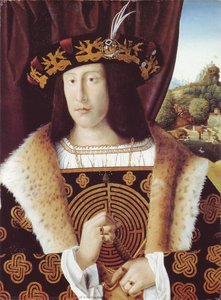 Portrait of a Noble ManFitzwilliam College
26
 Ritratto Di Gentiluomoブダペスト美術館
27
 Beatrice d'Este
28
 Portrait of a Lady
29
 John the Baptist
30
 Portrait of a ManPennsylvania Academy of Fine Arts
31
 St. Catherine of Alexandria
32
 Madonna della pera
33
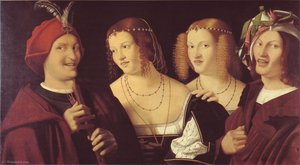 Four characters laughing
34
 Madonna with child
35
 Madonna with child
36
 Portrait of young gentlemanクリーブランド美術館
37
 Portrait of a ManFitzwilliam College
38
 Portrait of a gentlewomanヒューストン美術館
39Portrait of a Woman1520 · シュテデル美術館
40
 Woman Playing a Lute1520 · ピナコテカ・ディ・ブレラ
41
 Portrait of a Young Ladyナショナル・ギャラリー
42
 Lodovico martinengoナショナル・ギャラリー
43
 Salome with the tesa del battistaドレスデン州立美術館
44
 Circoncision
これらのオリジナル作品に繰り返し描かれている4つの主題と、それぞれの最高傑作。
このページに掲載されている絵画を最も多く所蔵している 8 の美術館
| 美術館 | 都市 | バルトロメオ・ヴェネトの作品 | このリストの絵画 |
|---|---|---|---|
 ヒューストン美術館 |
ヒューストン | 2 | A Man, Portrait of a gentlewoman |
 ブダペスト美術館 |
ブダペスト | 2 | Portrait of a Man, Ritratto Di Gentiluomo |
 Fitzwilliam College |
Cambridge | 2 | Portrait of a Noble Man, Portrait of a Man |
 ナショナル・ギャラリー |
ロンドン | 2 | Portrait of a Young Lady, Lodovico martinengo |
 イザベラ・スチュワート・ガードナー美術館 |
ボストン | 1 | A Girl with a Lute |
 J・ポール・ゲティ美術館 |
ロサンゼルス | 1 | Lady Playing a Lute |
 ギャラリー・ナショナル・ド・アート・アンティカ |
ローマ | 1 | Portrait of a Gentleman |
 ブルックリン美術館 |
ブルックリン | 1 | Portrait of a Lady as Mary Magdalen |
その時代を象徴する名作を見るために、年代を選択してください。
The Portrait of a Gentleman is an oil on canvas work by the artist Bartolomeo Veneto. Created in 1512, the painting captures a singular presence through a vertical orientation. The figure is framed within a space of 73 x 58 cm, a scale that invites a close, quiet observation of the sitter's features and attire.
A Girl with a Lute is a painting by Bartolomeo Veneto. Dated 1520, this work is also known by the alternative title Lady Lutanist. The subject of the portrait is a girl playing a lute.
The portrait titled Lady Playing a Lute is a work attributed to Bartolomeo Veneto and his workshop. It depicts an unidentified young woman engaged with her instrument. This painting belongs to a specific series of works by Bartolomeo Veneto, which features various unidentified female sitters captured in the act of playing the lute. In some variations of this composition, the lute is replaced by a wheel, transforming the subject into…
A Girl with a Lute (1520)(イザベラ・スチュワート・ガードナー美術館, ボストン)。次いでLady Playing a Lute (1530)、Portrait of a Gentleman (1512)が続きます。
18歳:A Girl with a Luteは1520年の作品で、バルトロメオ・ヴェネトの生年は1502年です。
A Girl with a Lute, Lady Playing a Lute, Portrait of a Gentleman, A Man, Portrait of a Lady as Mary Magdalen, Saint Catherine, Portrait of a Man, Saint Catherine, Portrait of a Gentleman と Portrait of a Bearded Gentleman。上記のランキングには、それぞれの制作年と所蔵美術館が記載されています。
当カタログには、1512年から1530年にかけて制作されたバルトロメオ・ヴェネトによる45点の作品が収められています。
主にヒューストン美術館 (ヒューストン), ブダペスト美術館 (ブダペスト) と Fitzwilliam College (Cambridge)に所蔵されています。上記の美術館一覧にすべて記載されています。
1520s年:このページにある全44作品のうち、7作品がその時期に制作されました。そのうちA Girl with a Lute作品が含まれます。
このページでは、最も古い作品はPortrait of a Gentleman (1512)、最新の作品はLady Playing a Lute (1530)です。
このページに掲載されている44点の作品におけるWoman (9), Man (6) と Virgin mary (5)
このページに掲載されている全44作品のうち、8作品のOil On Panel
このページに掲載されているオリジナル作品から判断すると、Renaissance と High renaissanceです。
A Man と Portrait of a gentlewoman:ヒューストン美術館, ヒューストンには、このページに掲載されている作品のうち2点が所蔵されています。


