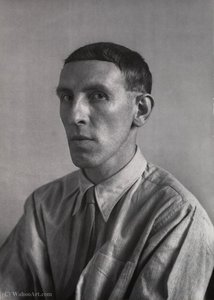
August Sanderの肖像画

August Sanderの絵画:ギャラリーの視点で選ぶ、最も有名な11作品

11月 2026 更新 · 当サイトの人気スコア(各作品の検索数、閲覧数、注文数)に基づくランキング · 11点の August Sanderの作品がカタログにあります

要約すると

ギャラリーの視点では、August Sanderの最も有名な作品はBohème Willi Bongard und Gottfried Brockmann aus dem Film: Fliegende Händler (Menschen des 20. Jahrhunderts. Gruppe VI Die Großstadt. aus der Mappe: Typen und Gestalten der Großstadt)であり、その原画はエッセンの美術館フォルクヴァングに展示されています。 The Painter Otto Dix and his Wife Martha (from the Portfolio Work: People of the 20th Century, Portfolio 13: Woman and Man)とThe painter heinrich hörleが加わり、誰もが一度は目にしたことのある至高のトリオが完成します。 当カタログに含まれるAugust Sanderの作品11点の中から、特に有名な11点を厳選してご紹介します。各作品は、制作年、所蔵美術館、そしてその作品ならではの魅力とともに、一点物のオリジナル作品として掲載されています。

1876 – 1964, Heredorf New objectivity 最多収蔵館: 美術館フォルクヴァング

ギャラリーが選ぶAugust Sanderのトップ10作品

1
Bohème Willi Bongard und Gottfried Brockmann aus dem Film: Fliegende Händler (Menschen des 20. Jahrhunderts. Gruppe VI Die Großstadt. aus der Mappe: Typen und Gestalten der Großstadt) による August Sander

Bohème Willi Bongard und Gottfried Brockmann aus dem Film: Fliegende Händler (Menschen des 20. Jahrhunderts. Gruppe VI Die Großstadt. aus der Mappe: Typen und Gestalten der Großstadt)

Gelatin Silver Print · 美術館フォルクヴァング, エッセン

In this evocative silver gelatin print, we are transported back to the pulsing, transformative era of early 20th-century Germany. The photograph, titled Bohème Willi Bongard und Gottfried Brockmann aus dem Film: Fliegende Händler, serves as a profound study of human character, captured through the lens of the legendary August Sander. The image presents two men seated in an intimate, quiet confrontation, their presence commanding the frame with a weight that…

2
The Painter Otto Dix and his Wife Martha (from the Portfolio Work: People of the 20th Century, Portfolio 13: Woman and Man) による August Sander

The Painter Otto Dix and his Wife Martha (from the Portfolio Work: People of the 20th Century, Portfolio 13: Woman and Man)

Acrylic On Canvas · 美術館フォルクヴァング, エッセン

August Sander's ambitious “People of the 20th Century” project, a monumental undertaking capturing the diverse faces of German society between 1923 and 1933, remains a cornerstone of early 20th-century photography. Within this vast collection resides Otto Dix’s poignant portrait of his wife, Martha Dix, a work that transcends mere likeness to become a profound meditation on love, loss, and the anxieties simmering beneath the surface of a rapidly changing nation.…

5
Artist Couple. The Painter Ludwig E. Ronig and his Wife Anna Ronig による August Sander

Artist Couple. The Painter Ludwig E. Ronig and his Wife Anna Ronig

Giclée Print · 美術館フォルクヴァング, エッセン

August Sander's "Artist Couple," depicting Ludwig E. Ronig and his wife Anna Ronig, isn’t merely a photograph; it’s a carefully constructed window into the early 20th century—a period grappling with rapid social change, burgeoning artistic movements, and a growing fascination with documenting everyday life. Created around 1926, this gelatin silver print embodies the principles of Neue Sachlichkeit, or New Objectivity, a German art movement that prioritized clarity, precision, and an…

6
Farming generations による August Sander

Farming generations

Captivating Family Portrait in Timeless Monochrome This evocative black-and-white photograph masterfully captures a multigenerational family group, offering a poignant glimpse into familial bonds and social history. Set against a natural outdoor backdrop, likely a forested area, the image exudes a sense of solemnity, intimacy, and enduring connection. The careful arrangement of the subjects—centered around the elderly patriarch—embodies respect, tradition, and the passage of time, making it a compelling piece for…

7
Sisters による August Sander

Sisters

A Glimpse into Early 20th-Century German Life: August Sander’s “Sisters” “Sisters,” a captivating black and white photograph by the pioneering German portraitist August Sander, offers more than just a depiction of two young women; it's a window into a specific moment in time and a testament to Sander’s groundbreaking documentary approach. Created sometime before his major work *People of the 20th Century* (1929), this image exemplifies his commitment to portraying…

August Sanderの絵画、ランキング11位から11位

August Sanderが心を惹かれた主題

これらのオリジナル作品に繰り返し描かれている4つの主題と、それぞれの最高傑作。

August Sanderの原画を所蔵する美術館

このページに掲載されている絵画を最も多く所蔵している 1 の美術館

美術館 都市 August Sanderの作品 このリストの絵画
美術館フォルクヴァング, エッセン美術館フォルクヴァング エッセン 3 Bohème Willi Bongard und Gottfried Brockmann aus dem Film: Fliegende Händler (Menschen des 20. Jahrhunderts. Gruppe VI Die Großstadt. aus der Mappe: Typen und Gestalten der Großstadt), The Painter Otto Dix and his Wife Martha (from the Portfolio Work: People of the 20th Century, Portfolio 13: Woman and Man), Artist Couple. The Painter Ludwig E. Ronig and his Wife Anna Ronig

August Sanderの絵画:ギャラリーの回答

August Sanderの作品の中で、最も有名な絵画は何ですか?答えを見る

Bohème Willi Bongard und Gottfried Brockmann aus dem Film: Fliegende Händler (Menschen des 20. Jahrhunderts. Gruppe VI Die Großstadt. aus der Mappe: Typen und Gestalten der Großstadt)(美術館フォルクヴァング, エッセン)。次いでThe Painter Otto Dix and his Wife Martha (from the Portfolio Work: People of the 20th Century, Portfolio 13: Woman and Man)、The painter heinrich hörleが続きます。

August Sanderの代表的な絵画トップ10は?答えを見る

Bohème Willi Bongard und Gottfried Brockmann aus dem Film: Fliegende Händler (Menschen des 20. Jahrhunderts. Gruppe VI Die Großstadt. aus der Mappe: Typen und Gestalten der Großstadt), The Painter Otto Dix and his Wife Martha (from the Portfolio Work: People of the 20th Century, Portfolio 13: Woman and Man), The painter heinrich hörle, Bohemians, Artist Couple. The Painter Ludwig E. Ronig and his Wife Anna Ronig, Farming generations, Sisters, Bricklayer's mate, The Painter Heinrich Hörle Drawing the Boxer Hein Domgören と Peasant woman。上記のランキングには、それぞれの制作年と所蔵美術館が記載されています。

August Sanderの作品数は?答えを見る

当カタログにはAugust Sanderによる作品が11点ございます。

August Sanderの最も有名なオリジナル作品はどこに展示されていますか?答えを見る

主に美術館フォルクヴァング (エッセン)に所蔵されています。上記の美術館一覧にすべて記載されています。

August Sander が最も多く描いた主題は何ですか?答えを見る

このページに掲載されている11点の作品におけるBlack and white (4), Portrait (2) と Weimar republic (2)

August Sanderはどの芸術運動に関連していますか?答えを見る

このページに掲載されているオリジナル作品から判断すると、New objectivityです。

美術館フォルクヴァングが所蔵するAugust Sanderのオリジナル作品は何ですか?答えを見る

Bohème Willi Bongard und Gottfried Brockmann aus dem Film: Fliegende Händler (Menschen des 20. Jahrhunderts. Gruppe VI Die Großstadt. aus der Mappe: Typen und Gestalten der Großstadt), The Painter Otto Dix and his Wife Martha (from the Portfolio Work: People of the 20th Century, Portfolio 13: Woman and Man) と Artist Couple. The Painter Ludwig E. Ronig and his Wife Anna Ronig:美術館フォルクヴァング, エッセンには、このページに掲載されている作品のうち3点が所蔵されています。

August Sander:アーティスト

A Mirror to a Nation: The Life and Legacy of August Sander

August Sander, born in 1876 in the small Swiss village of Herdorf, wasn’t destined for artistic renown in the conventional sense. His origins lay firmly rooted in the working class—his father a carpenter employed within the demanding world of mining. This upbringing instilled in him a profound respect for labor and an intimate understanding of everyday people, qualities that would become cornerstones of his life's work. Receiving his first camera at the age of sixteen from a supportive uncle sparked a lifelong passion, leading to self-taught mastery of photographic techniques within a makeshift darkroom. Though he initially followed a path of practical training, serving in the German military and apprenticing with photographer Georg Jung, Sander’s vision extended far beyond mere technical proficiency; he sought to capture something essential about the human condition itself. He managed photo studios in Linz, Austria, honing his skills before establishing his own studio in Cologne in 1910—a pivotal moment that would set the stage for his most ambitious undertaking.

The Ambitious Scope of “People of the Twentieth Century”

Sander’s enduring legacy rests upon a project of staggering ambition: *Menschen des 20. Jahrhunderts* – "People of the Twentieth Century." Conceived as a monumental photographic study, it aimed to be nothing less than a comprehensive visual record of German society during an era defined by immense social, political, and economic upheaval. Unlike many photographers of his time who prioritized artistic expression or manipulation, Sander embraced objectivity and documentary accuracy with unwavering commitment. He envisioned the project divided into seven distinct categories: The Farmer, The Skilled Tradesman, Woman, Classes and Professions, The Artists, The City, and The Last People—a poignant inclusion encompassing those marginalized by society, such as the homeless and war veterans. His methodology was meticulous; he sought out subjects in their natural environments, incorporating details that revealed their profession or social standing. Utilizing large-format cameras to ensure exceptional clarity and detail, Sander’s direct, frontal compositions emphasized the individuality of each subject while simultaneously suggesting their place within a larger societal framework. This wasn't simply portraiture; it was an attempt at sociological mapping through the lens of photography.

Navigating Turmoil: Challenges and Artistic Significance

The execution of *People of the Twentieth Century* spanned decades, from 1911 until Sander’s death in 1964, but its progress was far from seamless. The project became increasingly fraught with challenges as Germany descended into political turmoil. During the Nazi regime, Sander's work—with its implicit egalitarianism and refusal to glorify any particular social group—was deemed incompatible with their ideology. Tragically, his son’s involvement in socialist politics led to persecution and ultimately, his death in a prison camp. The Nazis confiscated and destroyed many of Sander’s photographic plates, representing an immeasurable loss to cultural heritage. Despite these setbacks, Sander persevered, driven by a belief in the importance of documenting his time. His work became closely associated with the *Neue Sachlichkeit* (New Objectivity) movement, which emphasized realism, clarity, and a rejection of emotionalism and abstraction. While not strictly a social documentary photographer, his project shared common ground with this genre through its focus on depicting everyday life and documenting social conditions. The influence of Sander’s systematic approach to portraiture and unwavering commitment to objectivity resonated deeply with subsequent generations of photographers, particularly those interested in documentary photography and sociological studies.

A Lasting Impact: Legacy and Recognition

Despite facing censorship and destruction during his lifetime, August Sander's legacy has grown exponentially since his death. The establishment of the August Sander Archive ensured the preservation and promotion of his work, allowing future generations to appreciate the depth and significance of his vision. Numerous exhibitions and publications have showcased his photographs worldwide, solidifying his reputation as a master of portraiture and documentary photography. People of the Twentieth Century remains an unparalleled visual document of German society, offering profound insights into the lives and experiences of individuals during a period of dramatic change. His commitment to objectivity—a deliberate attempt to present subjects without judgment or embellishment—continues to inspire photographers and scholars alike. Sander’s work is more than just a historical record; it's a powerful testament to the enduring human spirit, a mirror reflecting both the triumphs and tribulations of an era, and a lasting contribution to the art of photography. His portraits are not merely images of individuals but archetypes—representative figures embodying the complexities and contradictions of a nation grappling with modernity.

Influences and Artistic Style

  • New Objectivity: Sander’s work is deeply rooted in this movement, prioritizing clarity, realism, and a rejection of emotionalism.
  • Social Documentary Photography: While distinct, his project shares common ground with social documentary through its focus on everyday life and societal conditions.
  • Early Portraiture Traditions: He moved away from the romanticized studio portraits of earlier eras, favoring directness and authenticity.
  • The Rise of Sociology: The growing field of sociology in the early 20th century influenced his desire to categorize and document society systematically.