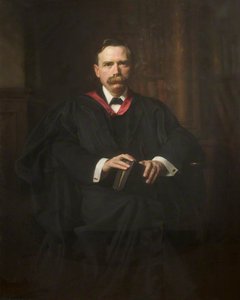
Arthur Trevethin Nowellの肖像画

Arthur Trevethin Nowellの絵画:ギャラリーの視点で選ぶ、最も有名な22作品

11月 2026 更新 · 当サイトの人気スコア(各作品の検索数、閲覧数、注文数)に基づくランキング · 22点の Arthur Trevethin Nowellの作品がカタログにあります

要約すると

ギャラリーの視点では、Arthur Trevethin Nowellの最も有名な作品はIsabella and the Pot of Basil (1904)であり、その原画はポンセのMuseo de Arte de Ponceに展示されています。 George V (1865–1936) (1935)とJohn Stevenson (1886)が加わり、誰もが一度は目にしたことのある至高のトリオが完成します。 当カタログに含まれるArthur Trevethin Nowellの作品22点の中から、特に有名な22点を厳選してご紹介します。各作品は、制作年、所蔵美術館、そしてその作品ならではの魅力とともに、一点物のオリジナル作品として掲載されています。

1862 – 1940, Garndiffaith 最多収蔵館: Brighton Museum & Art Gallery

ギャラリーが選ぶArthur Trevethin Nowellのトップ10作品

1
Isabella and the Pot of Basil (1904) による Arthur Trevethin Nowell

Isabella and the Pot of Basil

1904 · Oil · Museo de Arte de Ponce, ポンセ

In this 1904 portrait, we find ourselves drawn into a quiet, heavy atmosphere. The subject, a woman draped in a deep red dress, sits with a certain stillness that suggests a weight upon her spirit. A crown rests upon her head, hinting at a nobility that feels more like a burden than a privilege. She is positioned near a vessel, perhaps a pot of basil, which anchors the composition and…

2
George V (1865–1936) (1935) による Arthur Trevethin Nowell

George V (1865–1936)

1935 · Oil On Canvas · Brighton Museum & Art Gallery, Brighton and Hove

The oil on canvas depicts King George V, who reigned from 1910 to 1936. He is presented in a frontal composition, wearing a blue coat accented with gold buttons. A white collar is visible beneath the neckline of the garment. The subject possesses a mustache and a beard, which are rendered as prominent facial features. The color palette appears somewhat faded, with the tones of the blue fabric and the…

3
John Stevenson (1886) による Arthur Trevethin Nowell

John Stevenson

1886 · Oil

In this 1886 portrait, Arthur Trevethin Nowell turns his attention to John Stevenson, capturing a moment of quiet introspection. The subject is a man of maturity, defined by a well-groomed beard and mustache that frame a face set in a thoughtful, perhaps even somber, gaze. He is dressed in the formal attire of the era, wearing a suit and tie that suggest a position of respectability or perhaps a moment…

4
Colonel Fred Haworth (1904) による Arthur Trevethin Nowell

Colonel Fred Haworth

1904 · Oil On Canvas · サルフォード博物館・美術館, グレートマンチェスター

The air in the room seems to thicken around the figure of Colonel Fred Haworth. He sits in a stillness that feels heavy, caught in a private moment of contemplation. His gaze is not fixed on the viewer, but rather drifts slightly off-canvas, as if he is weighing the gravity of a recent command or perhaps reflecting on the weight of the uniform he wears. The deep red of his…

5
Queen Mary (1935) による Arthur Trevethin Nowell

Queen Mary

1935 · Oil · Brighton Museum & Art Gallery, Brighton and Hove

Queen Mary, painted by Arthur Trevethin Nowell in 1935, presents a formal study of the British monarch. The work captures the sitter in a moment of poised elegance, utilizing the technical precision characteristic of Nowell’s academic training. This portrait belongs to a period of the artist's career defined by prestigious commissions for the British Royal Family.

7
Queen Mary (1867-1953) (1927) による Arthur Trevethin Nowell

Queen Mary (1867-1953)

1927 · Oil On Canvas · ロイヤル・コレクション, ロンドン

This formal and majestic full-length portrait depicts Queen Mary, presented in a vertical three-quarter length composition. The subject is positioned slightly off-center, creating a balanced presence against a background of deep shadows. She is adorned in ceremonial regalia, featuring a luminous blue gown with flowing drapery of silk and satin. The textures of the attire are highly detailed, showcasing the intricate, sparkling surfaces of pearls, diamonds, and fine lace. A…

Arthur Trevethin Nowellの絵画、ランキング11位から22位

Arthur Trevethin Nowellの代表作、時代別一覧

Arthur Trevethin Nowellが心を惹かれた主題

これらのオリジナル作品に繰り返し描かれている4つの主題と、それぞれの最高傑作。

Arthur Trevethin Nowellの原画を所蔵する美術館

このページに掲載されている絵画を最も多く所蔵している 8 の美術館

美術館 都市 Arthur Trevethin Nowellの作品 このリストの絵画
Brighton Museum & Art Gallery, Brighton and HoveBrighton Museum & Art Gallery Brighton and Hove 2 George V (1865–1936), Queen Mary
ロイヤル・コレクション, ロンドンロイヤル・コレクション ロンドン 2 King George V (1865-1936), Queen Mary (1867-1953)
John Wesley’s House - The Museum of Methodism, LondonJohn Wesley’s House - The Museum of Methodism London 2 Reverend Thomas Allen, 'Gypsy' Smith
Museo de Arte de Ponce, ポンセMuseo de Arte de Ponce ポンセ 1 Isabella and the Pot of Basil
サルフォード博物館・美術館, グレートマンチェスターサルフォード博物館・美術館 グレートマンチェスター 1 Colonel Fred Haworth
ウォーカー・アート・ギャラリー, リバプールウォーカー・アート・ギャラリー リバプール 1 The Expulsion of Adam and Eve
Cannon Hall Museum, BarnsleyCannon Hall Museum Barnsley 1 Mrs A. Tyne
Chester Town Hall, ChesterChester Town Hall Chester 1 Duncan Graham, Chairman of Cheshire County Council (1888–1893)

Arthur Trevethin Nowell、10年ごとに1枚の代表作

年代別作品数

その時代を象徴する名作を見るために、年代を選択してください。

Arthur Trevethin Nowellの絵画:ギャラリーの回答

Arthur Trevethin Nowellの作品の中で、最も有名な絵画は何ですか?答えを見る

Isabella and the Pot of Basil (1904)(Museo de Arte de Ponce, ポンセ)。次いでGeorge V (1865–1936) (1935)、John Stevenson (1886)が続きます。

Arthur Trevethin NowellがIsabella and the Pot of Basilを完成させた時の年齢は?答えを見る

42歳:Isabella and the Pot of Basilは1904年の作品で、Arthur Trevethin Nowellの生年は1862年です。

Arthur Trevethin Nowellの代表的な絵画トップ10は?答えを見る

Isabella and the Pot of Basil, George V (1865–1936), John Stevenson, Colonel Fred Haworth, Queen Mary, King George V (1865-1936), Queen Mary (1867-1953), The Expulsion of Adam and Eve, Mrs A. Tyne と Duncan Graham, Chairman of Cheshire County Council (1888–1893)。上記のランキングには、それぞれの制作年と所蔵美術館が記載されています。

Arthur Trevethin Nowellの作品数は?答えを見る

当カタログには、1883年から1935年にかけて制作されたArthur Trevethin Nowellによる22点の作品が収められています。

Arthur Trevethin Nowellの最も有名なオリジナル作品はどこに展示されていますか?答えを見る

主にBrighton Museum & Art Gallery (Brighton and Hove), ロイヤル・コレクション (ロンドン) と John Wesley’s House - The Museum of Methodism (London)に所蔵されています。上記の美術館一覧にすべて記載されています。

Arthur Trevethin Nowellが最も有名な作品を描いたのはいつですか?答えを見る

1900s年:このページにある全22作品のうち、5作品がその時期に制作されました。そのうちIsabella and the Pot of Basil作品が含まれます。

Arthur Trevethin Nowellの初期および後期の代表作は何ですか?答えを見る

このページでは、最も古い作品はMrs A. Tyne (1883)、最新の作品はGeorge V (1865–1936) (1935)です。

Arthur Trevethin Nowell が最も多く描いた主題は何ですか?答えを見る

このページに掲載されている22点の作品におけるMan (4), Mustache (4) と Woman (3)

Arthur Trevethin Nowell が最も多く用いた技法は何ですか?答えを見る

このページに掲載されている全22作品のうち、5作品のOil On Canvas

Brighton Museum & Art Galleryが所蔵するArthur Trevethin Nowellのオリジナル作品は何ですか?答えを見る

George V (1865–1936) と Queen Mary:Brighton Museum & Art Gallery, Brighton and Hoveには、このページに掲載されている作品のうち2点が所蔵されています。

Arthur Trevethin Nowell:アーティスト

The Atmospheric Legacy of Arthur Trevethin Nowell

Born in the Welsh village of Garndiffaith, Trevethin in 1862, Arthur Trevethin Nowell emerged as a painter of profound versatility, capable of navigating the delicate boundary between Victorian tradition and the burgeoning light of Impressionism. His early life was shaped by the itinerant nature of his father’s vocation as a Wesleyan Minister, a journey that brought him to Lancashire and provided a diverse tapestry of landscapes and cultures. This nomadic upbringing instilled in him a keen eye for the changing moods of the natural world, an instinct that would later define his celebrated landscape works. His formal training at the Manchester School of Art served as the bedrock of his technical mastery, where he studied under the influential Augustus John. From this mentorship, Nowell inherited a profound sensitivity to capturing fleeting moments and emotional resonance, learning to use tonal gradations to breathe life into the canvas.

The trajectory of Nowell’s career reached a spectacular zenith through his academic triumphs and international exposure. After honing his skills in Manchester, he entered the prestigious Royal Academy Schools in 1893, eventually earning both the Gold Medal and the Turner Prize by 1898. These accolades were accompanied by a transformative period of study in Paris, where the vibrant energy of French Impressionism began to seep into his classical foundations. This era of his life was marked by an extraordinary ability to blend the grand, narrative scale of historical painting with a modern, atmospheric approach to light and color. His monumental biblical canvas, The Expulsion of Adam and Eve (1897), remains a cornerstone of his legacy; housed in the Walker Art Gallery, it demonstrates a masterful command of drama, utilizing intricate compositions and celestial light to evoke the profound tension of the Fall.

A Mastery of Portraiture and Landscape

As his reputation expanded across Europe and even to the burgeoning art markets of New York, Nowell’s subject matter evolved with a sophisticated grace. While he gained widespread acclaim for his dramatic religious scenes, he was equally sought after as a portraitist of high society. His talent for capturing the dignity and psychological depth of his sitters led to prestigious commissions, most notably for members of the British Royal Family, including King George V and Queen Mary. These portraits, characterized by rich textures and an elegant realism, stand as testaments to his ability to convey status through subtle, nuanced brushwork. Whether depicting the refined elegance of Mrs. Wiseman or the regal presence of royalty, Nowell possessed a rare gift for rendering the human spirit within the framework of formal tradition.

In his later years, as the fervor for grand historical narratives began to wane in the face of modernism, Nowell found a renewed passion in the more intimate realms of landscape and watercolor. His travels through Scotland and Europe allowed him to explore the rugged, untamed beauty of nature, particularly the dramatic sight of rivers in spate. In these works, one sees the true synthesis of his artistic identity: the technical precision of a Victorian master married to the emotive, light-drenched spirit of an Impressionist. His later excursions into watercolor allowed for a more spontaneous, lyrical expression, capturing the ephemeral qualities of mist, water, and light that had always been the heartbeat of his creative soul.

Artistic Significance and Enduring Influence

The significance of Arthur Trevethin Nowell lies in his role as a bridge between eras. He did not merely exist within the transition from the 19th to the 20th century; he actively embodied it. His work reflects a period of intense artistic dialogue, where the weight of classical mythology and biblical narrative met the modern obsession with light, atmosphere, and subjective experience. To study Nowell is to witness the evolution of British art itself—from the structured, moralistic tones of the Victorian age to the fluid, sensory-driven explorations of the new century.

His contributions can be summarized through several key artistic pillars:

  • Technical Versatility: An exceptional ability to move seamlessly between large-scale oil canvases, intimate portraits, and delicate watercolors.
  • Stylistic Synthesis: The successful integration of Impressionistic light and color with the rigorous anatomical and compositional standards of the Royal Academy.
  • Narrative Depth: A profound capacity to imbue both religious subjects and natural landscapes with palpable human emotion and dramatic tension.
  • Global Reach: An exhibition history that spanned the most important galleries in London, Europe, and America, cementing his status as a truly international figure of his time.

Though the tides of art history eventually moved toward more radical abstractions, the works of Nowell remain enduringly captivating. They offer a window into a world where beauty was found in the meticulous rendering of detail and the soulful capture of a passing shadow, ensuring his place in the annals of British art as a master of both the seen and the felt.