要約すると
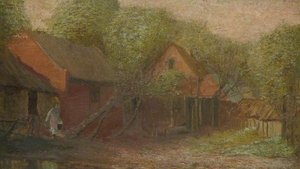
The Elbow (1897)は、Arthur Loweの作品の中で最も注目を集めている絵画です。 その後、視線はLandscape with a Mill and CanalとFarm Buildingsへと移ります。 当カタログに含まれるArthur Loweの16点の作品のうち、これら16点は最も有名な作品です。制作年、所蔵美術館、そして時代を超えて愛される理由とともに、一点もののオリジナル作品をご紹介します。
ギャラリーの視点で選ぶ、Arthur Loweによるトップ10作品
Arthur Loweの名作、11〜16点目
Arthur Loweの原画を所蔵する美術館
このページに掲載されている絵画を最も多く所蔵している 6 の美術館
| 美術館 | 都市 | Arthur Loweの作品 | このリストの絵画 |
|---|---|---|---|
| ニューカッスル・アポン・タイン | 4 | Farm Buildings, Evening, When the Evening Sun Is Low | |
| ハル | 2 | December, In Charnwood Forest, Leicestershire | |
| ノッティンガム | 1 | Snow | |
| ハリゲート | 1 | Kinoulton Village, Nottinghamshire | |
| Sunderland | 1 | Tollerton Lake, near Nottingham | |
| ボルトン | 1 | Thoresby Hall, Nottinghamshire |
Arthur Loweの絵画:ギャラリーへの質問
Arthur Loweの最も有名な作品は何ですか?答えを見る
The Elbow (1897)。続いてLandscape with a Mill and Canal、Farm Buildingsが続きます。
Arthur Loweの最も有名な10作品は何ですか?答えを見る
The Elbow, Landscape with a Mill and Canal, Farm Buildings, Autumn, Snow, Clifton Grove, Clifton Hall, Nottingham, Evening, The Canal Bend, December と In Charnwood Forest, Leicestershire。上記のランキングには、それぞれの制作年と所蔵美術館が記載されています。
Arthur Loweの既知の作品数は?答えを見る
当カタログにはArthur Loweによる作品が16点ございます。
最も有名なArthur Loweのオリジナル作品はどこで見ることができますか?答えを見る
主にレイング・アート・ギャラリー (ニューカッスル・アポン・タイン), Ferens Art Gallery (ハル) と Nottingham Castle Museum And Art Gallery (ノッティンガム)に所蔵されています。上記の美術館一覧にすべて記載されています。
レイング・アート・ギャラリーでは、Arthur Loweのオリジナル作品を何点鑑賞できますか?答えを見る
Farm Buildings, Evening と When the Evening Sun Is Low:レイング・アート・ギャラリー, ニューカッスル・アポン・タインには、このページに掲載されている作品のうち4点が所蔵されています。
Arthur Lowe:アーティストの肖像画
The Actor Who Found Stillness in the Landscape
Arthur Lowe (1915–1982) occupied a unique and evocative space in the British cultural consciousness, moving between the vibrant, commanded presence of the stage and the quiet, meditative solitude of the canvas. While many remember him as the quintessential Captain Mainwaring in the beloved wartime sitcom Dad's Army, his true artistic soul resided in the tranquil landscapes of rural England. Born in 1915, Lowe’s journey into the world of fine art was a secondary act that blossomed later in life, following a distinguished career as an actor. This dual vocation perhaps gifted him with a singular perspective; the disciplined eye of a performer, trained to observe the subtle shifts in light and shadow on a stage, became the foundation for his profound ability to capture the fleeting essence of the natural world. His transition from the spotlight of television to the quietude of Nottinghamshire and Leicestershire allowed him to develop a style that was less about grand theatricality and more about the gentle, rhythmic beauty of the English countryside.
A Master of Atmospheric Impressionism
Lowe’s approach to painting was deeply rooted in the principles of impressionism, yet he moved beyond mere imitation to create something far more personal and emotive. He eschewed the rigid constraints of meticulous detail, choosing instead to prioritize the conveyance of atmosphere and the emotional weight of a scene. His work does not strive for photographic accuracy; rather, it seeks to distill the very feeling of a place—the warmth of a summer sun resting upon a field of barley or the heavy, damp stillness of a misty morning in Sherwood Forest. Through loose, expressive brushstrokes and a seamless blending of colors, he created shimmering surfaces that seemed to vibrate with life. His palette was masterfully restrained, relying heavily on:
- Muted Earth Tones: A sophisticated use of greens, browns, and ochres to ground his landscapes in reality.
- Luminous Blues: Soft, atmospheric blues that evoke the depth of the sky and the clarity of English waterways.
- Textural Depth: Layered applications of oil that provide a sense of dimensionality and light.
The Soul of the English Countryside
The true heart of Lowe’s oeuvre lies in his profound connection to the landscapes surrounding Nottinghamshire and Leicestershire. He possessed an uncanny ability to transform ordinary, even overlooked, rural subjects into canvases brimming with poetic significance. In works such as Thoresby Hall, Nottinghamshire, he captures not just a landmark, but a sense of peace and communal joy, depicting figures moving through a parkland setting with remarkable sensitivity. His depictions of mills, canals, and ancient forests serve as a visual love letter to the English landscape, inviting the viewer to pause and appreciate the quiet majesty of the everyday. Through his eyes, the landscapes of his home became timeless, capturing a sense of heritage and tranquility that continues to resonate with art lovers today. Lowe’s legacy remains that of a quiet observer, an artist who found the extraordinary within the ordinary and left behind a collection of works that breathe with the light of a bygone era.


