

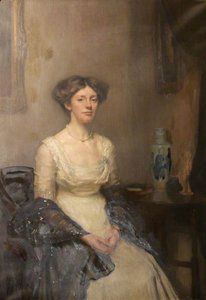
1


11月 2026 更新 · 当サイトの人気スコア(各作品の検索数、閲覧数、注文数)に基づくランキング · 35点の Arnold Masonの作品がカタログにあります
要約すると
Thomas William Dampier Bide (1844–1916) (1909)はArnold Masonの作品の中で最も注目を集めている絵画です。原画はYeovilのMuseum of South Somersetに所蔵されています。 その後、視線はJohn Parkinson (1947)とOlive Mary Wolryche Whitmore (1879–1951), Mrs Eustace Scott Hamilton Russell (1900)へと移ります。 当カタログに含まれるArnold Masonの35点の作品のうち、これら34点は最も有名な作品です。制作年、所蔵美術館、そして時代を超えて愛される理由とともに、一点もののオリジナル作品をご紹介します。

The John Parkinson painting by Arnold Mason is a stunning oil on canvas artwork that showcases the artist's exceptional skill in capturing the essence of his subject. Created in 1947, this painting measures 210 x 124 cm and is currently located at the Gravesham Borough Council in Gravesend, United Kingdom. The Artist and His Work Arnold Mason was a talented artist known for his attention to detail and ability to…


 Girl with a Hand Mirror1929
12
 Job Nixon (1891–1938)1932
13
 Portrait of a Woman1931 · The Resource Centre
14
 Red Ships at La Rochelle, France1930 · Alfred East Art Gallery
15
 Seated Nude1937
16
 Portrait of a Young Woman1934
17
 Alderman W. E. Thomas, Mayor of Gravesend (1921 1922)1941 · Gravesham Borough Council
18
 Elinor Glyn, née Sutherland1942
19
 Lady Eleanor Joan Clara Nathan (1892–1972)1948 · Guildhall Art Gallery
20
 Robert Palmer, VC1948 · Gravesham Borough Council
21Alderman J. Tennant1947 · ザ・ヘップワース・ウェイクフィールド
22
 Gerald Harry Beloe, Master (1922), Treasurer (1932–1944)1944 · Merchants Hall
23
 Sir Henry Upcher (1870–1954), Chairman of Norfolk County Council (1941–1950)1950
24
 Brown Study1949
25
 Llanbedr, near Conway
26
 Miss Coleサルフォード博物館・美術館
27
 Indian GirlAlfred East Art Gallery
28
 Port Scene
29
 Flower Piece
30
 River Scene
31
 The Housekeeperサルフォード博物館・美術館
32
 BargesThe Brewhouse Arts Centre
33
 River Scene with a Bridge
34
 The Reverend Canon Frederick Llewellyn Hughes, CB, CBE, MC, TD, MA, KHC, Chaplain General to the King (1944–1951)
これらのオリジナル作品に繰り返し描かれている4つの主題と、それぞれの最高傑作。
このページに掲載されている絵画を最も多く所蔵している 8 の美術館
| 美術館 | 都市 | Arnold Masonの作品 | このリストの絵画 |
|---|---|---|---|
 Museum of South Somerset |
Yeovil | 3 | Thomas William Dampier Bide (1844–1916), Mary Anne Whetham, née Dampier (b.1843), Elizabeth Dampier Bide (1838–1915) |
 Gravesham Borough Council |
Greenwich | 3 | John Parkinson, Alderman W. E. Thomas, Mayor of Gravesend (1921 1922), Robert Palmer, VC |
 Alfred East Art Gallery |
Kettering | 2 | Red Ships at La Rochelle, France, Indian Girl |
 サルフォード博物館・美術館 |
グレートマンチェスター | 2 | Miss Cole, The Housekeeper |
 The Resource Centre |
Newark | 1 | Portrait of a Woman |
 Guildhall Art Gallery |
ロンドン | 1 | Lady Eleanor Joan Clara Nathan (1892–1972) |
 ザ・ヘップワース・ウェイクフィールド |
ウェイクフィールド | 1 | Alderman J. Tennant |
 Merchants Hall |
ブリストル | 1 | Gerald Harry Beloe, Master (1922), Treasurer (1932–1944) |
その時代を象徴する名作を見るために、年代を選択してください。

The John Parkinson painting by Arnold Mason is a stunning oil on canvas artwork that showcases the artist's exceptional skill in capturing the essence of his subject. Created in 1947, this painting measures 210 x 124 cm and is currently located at the Gravesham Borough Council in Gravesend, United Kingdom. The Artist and His Work Arnold Mason was a talented artist known for his attention to detail and ability to…

Thomas William Dampier Bide (1844–1916) (1909)(Museum of South Somerset, Yeovil)。次いでJohn Parkinson (1947)、Olive Mary Wolryche Whitmore (1879–1951), Mrs Eustace Scott Hamilton Russell (1900)が続きます。
24歳:Thomas William Dampier Bide (1844–1916)は1909年の作品で、Arnold Masonの生年は1885年です。
Thomas William Dampier Bide (1844–1916), John Parkinson, Olive Mary Wolryche Whitmore (1879–1951), Mrs Eustace Scott Hamilton Russell, Head of a Girl, Ibiza, Balearics, Lord Granville West (1904–1984), Head of a Child, Mary Anne Whetham, née Dampier (b.1843), Elizabeth Dampier Bide (1838–1915) と Quai Du Port, Martigues, France。上記のランキングには、それぞれの制作年と所蔵美術館が記載されています。
当カタログには、1900年から1950年にかけて制作されたArnold Masonによる35点の作品が収められています。
主にMuseum of South Somerset (Yeovil), Gravesham Borough Council (Greenwich) と Alfred East Art Gallery (Kettering)に所蔵されています。上記の美術館一覧にすべて記載されています。
1940s年:このページにある全34作品のうち、8作品がその時期に制作されました。そのうちJohn Parkinson作品が含まれます。
このページでは、最も古い作品はOlive Mary Wolryche Whitmore (1879–1951), Mrs Eustace Scott Hamilton Russell (1900)、最新の作品はSir Henry Upcher (1870–1954), Chairman of Norfolk County Council (1941–1950) (1950)です。
このページに掲載されている34点の作品におけるPortrait (2) と Formal (2)
Thomas William Dampier Bide (1844–1916), Mary Anne Whetham, née Dampier (b.1843) と Elizabeth Dampier Bide (1838–1915):Museum of South Somerset, Yeovilには、このページに掲載されている作品のうち3点が所蔵されています。