Understanding Art Reproduction Mediums: Oil, Canvas & Beyond
Oil painting is a painting method involving the procedure of painting with pigments combined with a drying oil as the binder. It has been the most common technique for artistic painting on canvas, wood panel, or copper for several centuries. The adva...
For centuries, the desire to possess a piece of artistic brilliance has driven collectors and enthusiasts alike. While standing before an original masterpiece is an experience unlike any other, the possibility of bringing that beauty into one’s own home—or recreating a cherished vision—has fueled the art of reproduction. But reproduction isn't merely duplication; it’s a complex interplay of skill, materials, and understanding. At its heart lies the choice of medium, most notably oil paint, which has remained the gold standard for centuries due to its unparalleled richness, depth, and versatility. The earliest known explorations of oil as a binding agent date back to Buddhist murals in 7th-century Afghanistan, demonstrating an early mastery of the technique that would later flourish in Europe. Unlike tempera paints, which offer limited blending capabilities, oil allows for subtle gradations of color, luminous shadows, and a tactile quality that captures the very essence of the original brushstrokes. However, not all oils are created equal; linseed oil, poppy seed oil, walnut oil—each imparts unique characteristics to the paint, influencing drying time, sheen, and even long-term preservation.
The support upon which the oil is applied is equally crucial. While wood panels were common in earlier periods, canvas emerged as the preferred choice for its portability and ability to accommodate larger formats. The weave of the canvas itself plays a significant role; a fine, tightly woven linen provides a smoother surface ideal for intricate detail, while a coarser weave lends texture and character. Modern reproductions often employ 100% cotton canvas, prized for its durability and archival qualities. Beyond oil and canvas, giclée printing offers a compelling alternative, utilizing high-resolution digital scans and archival inks to create stunningly accurate replicas on paper or canvas substrates. While lacking the tactile depth of a hand-painted reproduction, giclée prints provide exceptional color fidelity and longevity when paired with premium materials.
The Atelier Process: Recreating Vision Through Classical Techniques
 From Canvas to Chronicle: The Atelier Process at OriginalUniqueArt – Recreating Vision Through Classical Painting Techniques
Discover museum-quality oil painting reproductions & custom portraits at OriginalUniqueArt. Expert artists, handcrafted techniques, and personalized service for a timeless heirloom. Shop now!
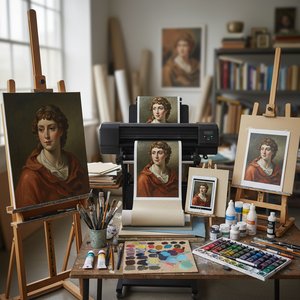
To truly understand the value of a high-quality art reproduction, one must appreciate the painstaking process undertaken by skilled artisans. The atelier—the workshop of an artist—represents a lineage of tradition stretching back to the Renaissance. Unlike mechanical reproduction, which prioritizes speed and efficiency, the atelier embraces a slower, more deliberate approach rooted in classical techniques. It begins with a meticulous study of the original artwork, often involving detailed sketches, color charts, and analysis of brushwork. The artist doesn’t simply copy; they interpret, striving to capture not only the visual likeness but also the spirit and intent of the original creator. This process frequently involves building up layers of paint—a technique known as *glazing*—to achieve depth, luminosity, and subtle color variations. Each layer is allowed to dry partially before the next is applied, a testament to patience and precision.
The “fat over lean” principle is paramount; each successive layer contains more oil than the one below, ensuring proper adhesion and preventing cracking or peeling over time. This requires an intimate understanding of paint chemistry and drying times. Furthermore, skilled atelier artists often employ techniques like *impasto*—applying thick layers of paint to create texture and dimensionality—to replicate the unique surface qualities of the original. Before shipping, a final varnish layer is applied to protect the painting from dust, UV damage, and environmental factors. This meticulous attention to detail transforms a reproduction into a work of art in its own right, worthy of admiration and preservation.
Navigating Pricing Transparency in the Art Reproduction Market
The art market, historically shrouded in exclusivity, is undergoing a shift towards greater transparency—a trend that benefits both collectors and artists. Understanding the factors influencing price is crucial for making informed decisions. The cost of an art reproduction isn’t simply determined by size; it reflects the skill level of the artist, the quality of materials used, and the complexity of the artwork itself. A simple landscape painting will naturally command a lower price than a highly detailed portrait with intricate drapery and challenging lighting effects. Transparency begins with clear communication from the provider regarding these factors. Reputable companies provide detailed breakdowns of costs, outlining the expenses associated with canvas, paint, artist labor, framing (if applicable), and shipping.
Beware of reproductions offered at suspiciously low prices; these often indicate compromised quality or unethical labor practices. A truly museum-quality reproduction requires significant investment in both materials and expertise. Furthermore, transparency extends to information about the artist’s credentials and experience. Collectors should feel confident knowing that their artwork is being created by a skilled professional with a proven track record. The ability to view examples of the artist’s previous work—or even visit the atelier itself—can provide valuable reassurance. In an increasingly digital world, price comparison tools can be helpful, but it’s essential to prioritize quality and authenticity over mere affordability.
Commissioning a Custom Painting: A Step-by-Step Guide
The prospect of commissioning a custom painting—transforming a cherished photograph into a timeless artwork—can be both exciting and daunting. The process begins with selecting an artist whose style aligns with your vision. Browse portfolios carefully, paying attention to their handling of light, color, and composition. Once you’ve identified a suitable artist, the next step is providing high-resolution photographs—the clearer the image, the better the reproduction will be. Discuss your desired size, format (canvas, print), and framing options with the artist or provider. A detailed contract outlining the scope of work, timeline, and payment terms is essential.
Many reputable companies offer digital mockups before beginning the painting process—a valuable opportunity to review the composition, proportions, and overall aesthetic. Don’t hesitate to request adjustments if necessary; a skilled artist will be happy to collaborate with you to achieve your desired result. Throughout the creation process, maintain open communication with the artist, providing feedback and addressing any concerns. Once the painting is complete, you’ll typically receive detailed photographs for approval before it’s framed and shipped. Remember that commissioning a custom artwork is an investment; patience and clear communication are key to ensuring a satisfying outcome.
Authenticity and Longevity: Ensuring Your Investment Lasts
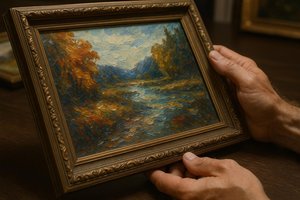 F.A.Q.: Handmade Oil Paintings – Authenticity, Longevity & Uniqueness for Elite Collectors
delivers authentic, handmade oil paintings crafted by skilled artists. Discover the unique quality, provenance & customization options trusted by elite collectors worldwide. Invest in art that lasts a lifetime.
The enduring appeal of art lies not only in its aesthetic beauty but also in its ability to transcend time. When investing in an art reproduction, longevity is paramount. Choosing high-quality materials—archival canvas, lightfast oil paints, and UV-resistant varnish—is essential for preserving the artwork’s vibrancy and integrity for generations to come. Proper framing also plays a crucial role; acid-free mats and UV-protective glass help shield the painting from environmental damage. Beyond materials, proper care and maintenance are vital. Avoid exposing the artwork to direct sunlight or extreme temperatures.
Regular dusting with a soft brush will remove accumulated dirt and debris. While professional cleaning is recommended every few decades, avoid attempting to clean the painting yourself; improper techniques can cause irreparable damage. A certificate of authenticity—provided by reputable companies—can also add value and provenance to your investment. Furthermore, understanding the artist’s techniques and materials allows you to make informed decisions about long-term preservation. By prioritizing quality, care, and documentation, you can ensure that your art reproduction remains a cherished heirloom for years to come.
Selecting the Right Artist & Style for Your Reproduction
The success of an art reproduction hinges on finding an artist whose style resonates with both the original artwork and your personal aesthetic preferences. Consider the nuances of the piece you’re hoping to recreate—the brushwork, color palette, and overall mood. An Impressionist painting requires a different skillset than a Renaissance portrait. Reputable companies often categorize their artists by specialization, allowing you to easily identify those best suited for your project. Explore portfolios carefully, paying attention to the artist’s handling of light, shadow, and detail.
Don't be afraid to request samples or discuss specific techniques with the artist. A skilled artisan will be able to articulate their approach and demonstrate their ability to capture the essence of the original artwork. Beyond technical proficiency, consider the artist’s artistic sensibility—do they share a similar vision? Ultimately, selecting the right artist is a matter of personal connection; choose someone whose work inspires confidence and reflects your own taste. At OriginalUniqueArt.com, we pride ourselves on connecting discerning collectors with talented artists who are passionate about recreating timeless masterpieces. Our commitment to quality, transparency, and personalized service ensures that every reproduction is a unique work of art—a testament to the enduring power of human creativity.