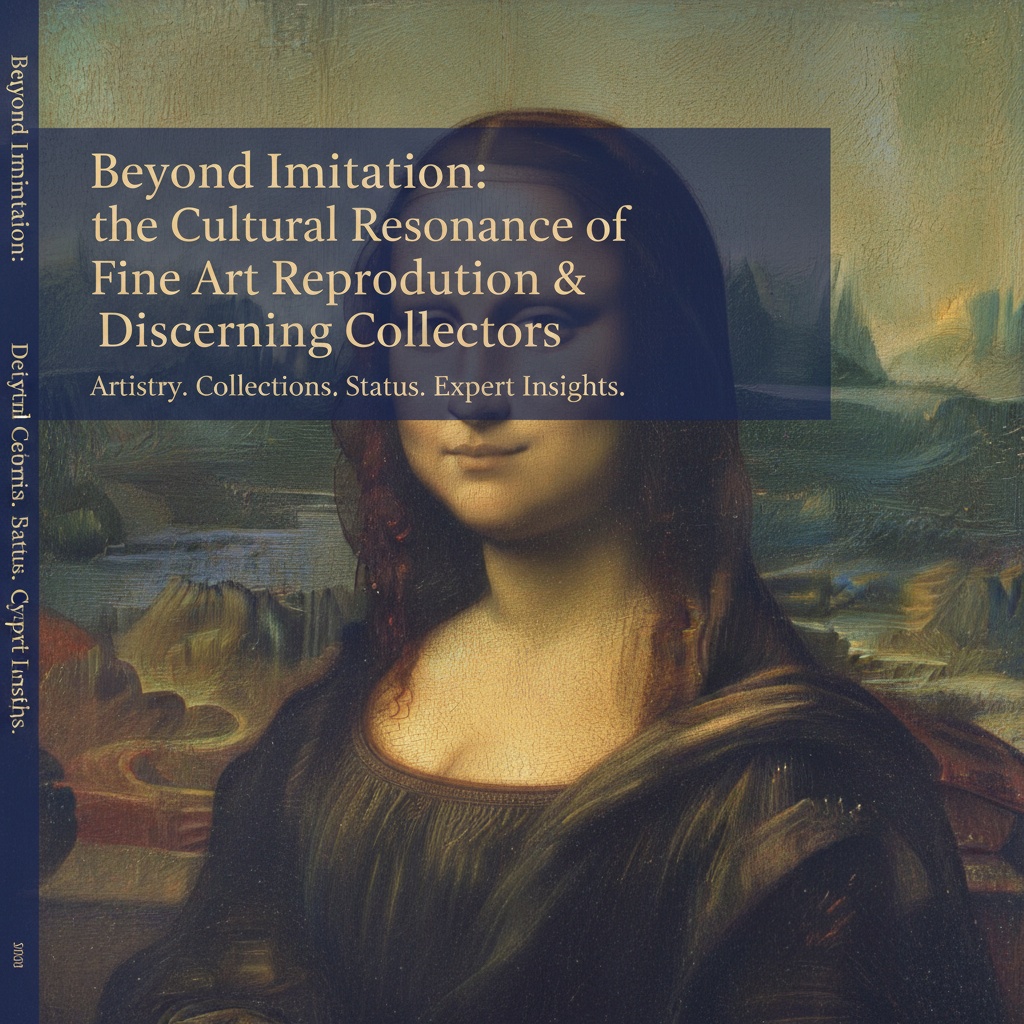
The Enduring Appeal of Masterpieces: Why Reproductions Captivate
 Wikipedia: The Work of Art in the Age of Mechanical Reproduction
"The Work of Art in the Age of Mechanical Reproduction" (German: Das Kunstwerk im Zeitalter seiner technischen Reproduzierbarkeit) (1935), by Walter Benjamin, is an essay of cultural criticism which proposes and explains that mechanical reproduction ...
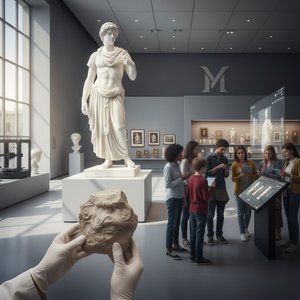
For centuries, the possession of original art has been inextricably linked to wealth, power, and refined taste. Yet, a curious phenomenon persists – the enduring allure of reproductions. This isn’t merely about accessibility; it speaks to a deeper human desire to connect with beauty, history, and the very essence of artistic expression. The impulse to replicate, to bring iconic images into one's own sphere, is as old as art itself. From ancient Roman copies of Greek sculpture to the proliferation of engravings in the Renaissance, humankind has always sought to surround itself with echoes of greatness. Today’s reproductions, particularly those offered through skilled artisans and advanced printing techniques, represent a sophisticated evolution of this age-old practice – a chance not simply to *own* an image, but to participate in a visual dialogue across time.
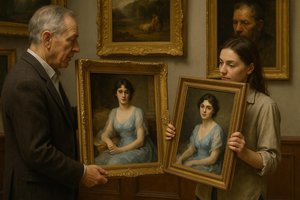
The initial skepticism surrounding mechanical reproduction, famously articulated by Walter Benjamin, centered on the perceived loss of “aura” – that unique sense of authenticity and historical presence. However, this perspective overlooks the transformative power of bringing art into wider circulation. While an original Van Gogh may reside in a museum, carefully guarded behind glass, a meticulously crafted reproduction allows for intimate contemplation within the home, fostering a personal connection unburdened by institutional constraints. It’s not about replacing the original, but rather expanding its reach and influence, democratizing access to artistic inspiration.
Walter Benjamin & The Aura of Art: Reassessing Authenticity in the Age of Reproduction
Benjamin's seminal essay, “The Work of Art in the Age of Mechanical Reproduction,” published in 1935, remains a cornerstone of art historical discourse. He argued that the ability to endlessly duplicate artworks diminished their inherent value, stripping them of their ritualistic and traditional context. The loss of this ‘aura,’ he posited, fundamentally altered our relationship with art, shifting its focus from cultic significance to political utility. However, Benjamin’s analysis was rooted in a specific historical moment – the rise of mass media and the anxieties surrounding technological advancement.
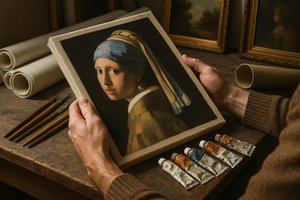
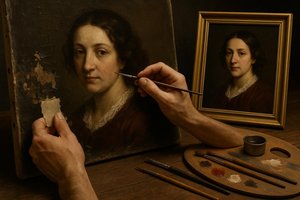
Contemporary reproductions, particularly those created through hand-painting processes, challenge this notion of simple devaluation. Skilled artists don't merely copy an image; they *interpret* it, imbuing the work with their own technical expertise and artistic sensibility. This process introduces a new layer of authenticity – not the original artist’s touch, but the dedication and skill of a contemporary craftsperson. Furthermore, the customization options available today—varying sizes, framing choices, even alterations to color palettes—allow collectors to personalize the artwork, creating a unique piece that reflects their individual taste and aesthetic vision. The aura isn't lost; it is *transformed*, shifting from the historical context of the original creation to the personal narrative of its reproduction.
Cultural Capital & Artistic Investment: Signaling Status Through Fine Art
In the field of sociology, cultural capital comprises the social assets of a person (education, intellect, style of speech, style of dress, social capital, etc.) that promote social mobility in a stratified society. Cultural capital functions as a so...
The sociologist Pierre Bourdieu introduced the concept of “cultural capital” – the accumulation of knowledge, skills, and tastes that confer social status. In a stratified society, possessing cultural capital is often as valuable as economic wealth. Historically, owning original art has been a potent symbol of this capital, signifying education, refinement, and access to exclusive circles. However, the acquisition of original masterpieces remains beyond the reach of most collectors.
Reproductions, when thoughtfully selected and curated, can serve as powerful signals of cultural awareness and discerning taste. A carefully chosen print or hand-painted reproduction demonstrates an appreciation for art history and a commitment to aesthetic values – qualities that resonate within social circles. It’s not about the monetary value of the artwork itself, but rather the *knowledge* it represents and the *conversations* it sparks. Moreover, investing in reproductions allows collectors to explore different styles and periods without significant financial risk, broadening their artistic horizons and refining their personal aesthetic sensibilities.
Beyond Decoration: How Reproductions Enhance Interior Aesthetics and Personal Narratives
Too often, art is relegated to the realm of mere decoration – a superficial embellishment intended to fill empty spaces. However, truly impactful interior design transcends aesthetics; it tells a story, reflects personality, and evokes emotion. Reproductions play a crucial role in this process, offering collectors the opportunity to curate spaces that resonate with their individual passions and experiences.
A reproduction of Katsushika Hokusai’s “Okazaki” can transport viewers to 19th-century Japan, evoking a sense of tranquility and natural beauty. An Andy Warhol silkscreen adds a pop of color and contemporary energy to a modern living room. The key lies in selecting artworks that complement the existing décor and reflect the homeowner's personal narrative. Reproductions also allow for thematic consistency – creating a gallery wall dedicated to Impressionism, or assembling a collection of portraits inspired by Renaissance masters. This thoughtful approach transforms a house into a home, imbuing it with character, depth, and intellectual curiosity.
The Collector’s Eye: Curating a Space with Both Original Works and Thoughtful Reproductions
The most sophisticated collectors understand that art acquisition isn't about exclusivity; it’s about building a cohesive collection that reflects their personal vision. There is no inherent hierarchy between original works and thoughtfully chosen reproductions. In fact, strategically integrating both can create a more dynamic and engaging aesthetic experience.
An original piece might serve as the focal point of a room, while reproductions provide supporting elements – expanding on a particular theme or style. This approach allows collectors to showcase their knowledge and appreciation for art history without sacrificing financial prudence. Furthermore, reproductions offer opportunities for experimentation – testing different compositions or color palettes before committing to a more substantial investment. The goal is not simply to fill walls with beautiful images, but rather to create a harmonious visual narrative that reflects the collector’s unique personality and intellectual curiosity.
Strategic Acquisition: Leveraging Reproductions for Expanding Collections and Educational Purposes
For seasoned collectors, reproductions can serve as valuable tools for expanding their collections and deepening their understanding of art history. Acquiring reproductions allows for comparative analysis – studying the techniques and nuances of different artists or periods without significant financial risk. This process fosters a more informed collecting strategy, enabling collectors to make more discerning choices when acquiring original works.
Reproductions also offer opportunities for educational purposes – introducing children to art history, sparking conversations about aesthetic values, or simply fostering a love of beauty within the home. The ability to customize reproductions—choosing specific sizes, framing options, and even altering color palettes—allows collectors to tailor the artwork to their individual needs and preferences. Ultimately, strategic acquisition isn't about accumulating wealth; it’s about cultivating knowledge, enriching experiences, and fostering a lifelong appreciation for the transformative power of art.
At OriginalUniqueArt.com, we believe that art should be accessible to everyone. We offer museum-quality reproductions created by skilled artisans, allowing you to bring the beauty and inspiration of the masters into your own home. Explore our extensive collection today and discover how reproductions can enhance your interior aesthetics, expand your artistic horizons, and signal your discerning taste.