1915
Hamilton Sutton Smith (ハミルトン・サットン・スミス, 1915)
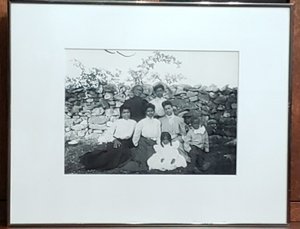
ハミルトン・サットン・スミス (1857–1924)による作品『Hamilton Sutton Smith』 制作年は1915年です。 Black and White Photographyで制作されています。 ボストン, アメリカ合衆国のMuseum of African American Historyに所蔵されています。
- 1915
- Black and White Photography
- Museum of African American History, ボストン

 手描き油彩画
 シェアする
 シェアする
 解説シート


 ダウンロード
 似ている作品
 スライドショーを表示
 Q&A

 統計情報
Hamilton Sutton Smithの概要
- 作品名
- Hamilton Sutton Smith
- 作家
- ハミルトン・サットン・スミス (1857–1924)
- 作家の生年
- ボストン, アメリカ合衆国
- 制作年
- 1915
- 技法
- Black and White Photography
- 展示場所
- Museum of African American History, ボストン, アメリカ合衆国
- 制作年代
- Modern
- 主題
- man, portrait, suit, jacket, black and white
Hamilton Sutton Smithには何が描かれていますか?
A Portrait of Hamilton Sutton Smith
This photographic print captures Hamilton Sutton Smith, a man who turned his gaze toward the lens to document the passing of time. Created by the artist Hamilton Sutton Smith, the image presents a formal study of the subject in a three-quarter pose. He is positioned with a quiet, upright confidence, his body angled away while his head turns back to meet the viewer's eye. The likeness is a steady one, fixed in a moment likely captured around 1915.
The subject wears a dark suit jacket that anchors his figure against a soft, indistinct background. There is a stillness in his posture, a sense of a man settled within his own skin. The photographic medium preserves the fine textures of his hair and the heavy weave of his clothing. He exists here not as a fleeting shadow, but as a documented presence, held within the silver and light of the print.
A sense of order defines this depiction of Hamilton Sutton Smith. The lines of his collar and shoulders provide a structural frame for the face. It is a quiet encounter with a man of his own making. The gaze is direct and unwavering.
Composition and Visual Elements
The figure of Smith occupies the center of the frame, though he is weighted slightly to the left. He faces toward the right, a directionality countered by his head, which turns back to meet the viewer's gaze. This torsion creates a quiet tension within the stillness of the pose. Behind him, the world dissolves into a blurred and indistinct void, stripping away the environment to leave only the man.
Structure emerges through a series of geometric intersections. Strong vertical lines define the upright posture of his body and the sharp edges of his suit jacket. These are met by the horizontal suggestions of his collar and shoulders. Within this framework, the composition relies on a vocabulary of fundamental shapes: the rectangle of the jacket, the oval of the face, and the cylindrical forms of the arms. The arrangement is orderly and disciplined.
The subject's presence is anchored by these intersecting planes. A sense of depth is achieved through selective focus, where the sharpness of the subject's features recedes into the soft obscurity of the background. The silhouette remains clear against the haze. It is a study of form and stillness.
Lighting and Tonal Qualities
The portrait exists within a strictly monochromatic realm. There is no color to distract the eye, only a measured scale of gray that spans from the deepest blacks of the shadows to the lightest whites of the highlights. This absence of hue focuses the gaze entirely on the interplay of light and shade across the subject's features. The lighting is soft and diffused, wrapping around the form without the harshness of direct sun. It settles gently, creating a quiet gradation of tone that defines the structure of the face and the weight of the clothing.
Subtle highlights catch the light on the forehead, the bridge of the nose, and the crisp edge of the collar. These small points of brightness provide the necessary relief against the darker tones of the suit. Depth is achieved through a selective focus, where the subject remains sharp while the background recedes into a soft, indistinct blur. This technique pulls the figure forward, isolating the man from the obscurity behind him. The light does not shout; it merely reveals.
Technique and Materials Used
The image exists as a photographic print, a physical manifestation of light captured through a camera. It relies on the traditional methods of black and white photography to translate a three-quarter pose into a permanent record. Every shade of gray is a result of the careful interplay between the subject and the light source, which descends from above to touch the forehead and the collar.
The creation of this portrait required a disciplined command of composition and lighting. To achieve the sharp focus on the face against the blurred, indistinct background, the artist utilized selective focus. This technical choice directs the eye toward the subject's gaze. The process moved from the initial exposure on photographic film to the controlled environment of the darkroom. There, the interaction of darkroom chemicals and printing paper transformed a fleeting moment into a structured, monochromatic form.
The textures of the suit fabric and the subtle lines of the hair are held within the silver grains of the print. It is a quiet alchemy of chemistry and light. The stillness remains.
Related Works by the Artist
The artist’s lens often turned toward the faces and figures that anchored his personal history. In a work titled John J. Smith, dating from about 1900, the subject emerges through the same careful attention to character seen in this portrait. This piece is held within the Museum of African American History, Boston. Another depiction of John J. Smith exists in the collection, capturing a different facet of the same lineage.
Beyond the intimate study of individuals, Smith’s vision extended to the public stone of the Prince Hall Monument. Created in 1915, this work is also part of the Museum of African American History, Boston. It remains a fixed point in the archive of his photographic and commemorative output. The shadows of the past find a permanent home in these documented subjects.
Hamilton Sutton Smithの所蔵美術館はどこですか?
Museum of African American History
ボストン, アメリカ合衆国
復元と記憶が織りなす、生きたタペストリー ボストンの中心部、街の革命的な精神が、分かちがたい人類の闘争の深い残響と交差する場所に、Museum of African American Historyは佇んでいます。ここは単なる遺物の保管場所ではありません。アフリカ系アメリカ人の不屈の遺産と鮮やかな貢献を称える、時を越えた没入型の物語そのものです。この施設に足を踏み入れることは、歴史を単に「見る」だけでなく、肌で「感じる」体験へと誘われることを意味します。博物館は記憶の灯台として、植民地時代から19世紀にかけてのニューイングランドにおける黒人の歩みを定義づけてきた、廃止論者の情熱、知的な卓越性、そして揺るぎない希望の物語を紡ぎ出しています。芸術愛好家にとっても歴史家にとっても、ここは深い尊厳と芸術的達成というレンズを通して、過去の複雑さと対峙できる稀有な機会を与えてくれる場所なのです。 ボストン・キャンパスの建築は、この歴史を運ぶ荘厳な器として機能し、伝統の重みと、人々を迎え入れる現代的な感性を見事に融合させています。1806年に建てられ、かつて政治的活動や文化生活の聖域であったアフリカ集会所(African Meeting House)のような歴史的建造物を、訪問者は歩いていくことになります。また、コレクションの礎石の一つであるアビエル スミス校は、壁そのものが平等への闘争の物語を囁いているかのような、瞑想的な空間を提供しています。これらの空間は、学術的な探求と静かな内省の両方を促すよう巧みに配置されており、ギャラリーには自然光が降り注ぎ、過去の質感に光を当てます。インテリアデザイナーや歴史的保存の愛好家にとって、これらの由緒ある建造物を現代の展示ニーズと調和させる博物館の手腕は、建築的な連続性と目的を持ったデザインにおける見事な研究対象となるでしょう。 アイデンティティと表現の傑作たち この壁の中に収められたコレクションは、アフリカ系アメリカ人のディアスポラの真髄を捉えた、歴史的文書、個人的な遺物、そしてファインアートが織りなす息を呑むような集大成です。勇気ある活動家たちが綴った手紙に見られる生々しい感情に心を動かされ、あるいは、失われた肖像画に命を吹き込む歴史的な写真の鮮明な明晰さに魅了されることでしょう。当館の常設コレクションは、アフリカ系アメリカ人の根源的な存在を記録した初期の植民地時代の肖像画から、黒人コミュニティの静かな美しさを捉えた印象派的な風景画に至るまで、芸術的達成の広がりを示す能力において特に際立っています。トーマス・エキンスによる「The Dancing Lesson」や、ジョン・シングルトン・カプレーの威厳あるリアリズムが宿る「Head of a Negro」といった重要な至宝は、逆境の中でいかに芸術が人間性と存在を主張するために用いられてきたかを物語る、痛切なリマインダーとして存在しています。 常設展示の枠を超えて、当館は社会的な批評の境界を押し広げる企画展を通じて、国際的な称賛を浴びてきました。近年の「Voices of Resilience」のような展示は、アイデンティティと勝利というテーマを力強く表現し、一方で「Boston's Legacy: Art & Activism」は、20世紀の公民権運動と創造的な表現の交差点を掘り下げました。芸術を社会変革の道具として提示しようとするこの姿勢は、アメリカの広範なカノン(正典)に対する黒人の美学の影響に注目するコレクターやキュレーターにとって、不可欠な目的地となっています。主流の歴史記述においてしばしば疎外されてきた声を、その中心に据えるというこの独自の視点こそが、Museum of African American Historyを際立たせ、アメリカのアイデンティティという多面的なタペストリーへの理解を深める、唯一無二の変容的な体験を提供しているのです。


Hamilton Sutton Smithの高解像度画像

ハミルトン・サットン・スミス, Hamilton Sutton Smith (1915), Museum of African American History. パブリックドメイン
Hamilton Sutton Smithに関するよくあるご質問
「Hamilton Sutton Smith」の原画は、どの美術館に収蔵されていますか?
原画の「Hamilton Sutton Smith」はMuseum of African American History, ボストン, アメリカ合衆国にてご覧いただけます。
「Hamilton Sutton Smith」はいつ制作されましたか?
ハミルトン・サットン・スミス作「Hamilton Sutton Smith」の制作年は1915年です。
「Hamilton Sutton Smith」の制作技法は何ですか?
ハミルトン・サットン・スミスは、「Hamilton Sutton Smith」においてBlack and White Photographyの技法を用いています。この技法が、原画の素材としての性質を決定づけています。
「Hamilton Sutton Smith」はどのような内容の作品ですか?
「Hamilton Sutton Smith」に描かれている主題はman, portrait, suit, jacket, black and whiteです。
「Hamilton Sutton Smith」はパブリックドメインですか?
著作権について、「Hamilton Sutton Smith」はパブリックドメイン(著作権消滅)です。
「Hamilton Sutton Smith」の作者は誰ですか?
「Hamilton Sutton Smith」の作者はハミルトン・サットン・スミスとされています。
「Hamilton Sutton Smith」は、ハミルトン・サットン・スミスの画業におけるどの時期の作品にあたりますか?
ハミルトン・サットン・スミスの画業において、「Hamilton Sutton Smith」はMature Periodに制作されたものです。この時期の作品を知ることで、同アーティストの他の作品との比較検討が可能になります。
ハミルトン・サットン・スミスは何歳の時に「Hamilton Sutton Smith」を制作しましたか?
1915年に「Hamilton Sutton Smith」が制作された際、1857年生まれのハミルトン・サットン・スミスは58歳でした。
ハミルトン・サットン・スミスによる「Hamilton Sutton Smith」はパブリックドメインに含まれますか?また、その理由は何ですか?
「Hamilton Sutton Smith」の著作権の状態について — パブリックドメイン(著作権消滅) — は、作者の没年である1924に基づいています。
アーティスト ハミルトン・サットン・スミス について
1857–1924, アメリカ合衆国
ハミルトン・サットン・スミス
生い立ちと教育 1857年、マサチューセッツ州ボストンに生まれたハミルトン・サットン・スミスは、一言では言い表せない、実に多彩な人生の軌跡を辿りました。ジョン・J・スミスとジョージアナ・スミスの6人の子供たちのうち、三男であり唯一の息子として育った彼の幼少期には、後に彼を定義することとなる芸術への情熱は、まだ微かな兆しすら見せていませんでした。当初、彼は極めて伝統的な道を歩み、弁護士および歯科医としての教育を受けました。しかし、これらの職業が彼の想像力を完全に捉えることはありませんでした。やがて、写真に対する抗いがたい魅力が彼の中に芽生え始め、それは最終的に、過ぎ去る瞬間を捉え、後世へと永遠に刻み込むという、彼自身の天職へと導いていくことになったのです。 ワシントンD.C.の記録者として スミスの真の天命は写真家として開花しました。そして、彼の主要なキャンバスとなったのは、アメリカの首都、ワシントンの街でした。彼は細部へのこだわりと卓越した構図感覚をもって、街のランドマークを丹念に記録していきました。彼の写真は単なる記録の枠を超え、市民としての誇りと歴史的な意識が深く刻み込まれていました。アメリカの不屈の精神と革命精神の象徴であるポール・リビア・ハウスも、彼がレンズを通して永遠の命を与えた数多くの被写体の一つです。視覚的な歴史を保存しようとするこの献身的な姿勢は、彼を唯一無二の存在へと押し上げ、19世紀後半のアメリカにおける建築的、文化的な風景を、後世の人々へ垣間見せる貴重な窓となったのです。 建造物の向こう側:肖像画と個人的な繋がり ワシントンD.C.の風景写真で名を馳せた一方で、スミスの写真作品は壮大なモニュメントの枠を超え、親密な家族の肖像へと広がっていました。これらの肖像画には、被写体の本質――その個性、希望、そして当時の社会構造における彼らの立ち位置――を捉える繊細さと技術が宿っています。一人ひとりと個人的なレベルで心を通わせる彼の能力は、写真から溢れ出す温かさと真実味の中に鮮明に表れています。これらの写真は、大規模なドキュメンタリー作品とは対照的な、切なくも美しい響きを持っており、公的な歴史と私的な生活の両方を描き出そうとした彼の情熱を物語っています。 父ジョン・J・スミスの影響とフリーメイソンとの関わり ハミルトン・サットン・スミスの生涯を理解することは、父ジョン・J・スミスの遺した足跡を辿ることと分かちがたく結びついています。ジョンはそれ自体が驚くべき人物でした。バージニア州リッチモンドで自由身分として生まれた彼は、ボストンにおいて著名な廃止論者(アボリショニスト)となり、起業家としても成功を収めました。彼が営んだ理髪店は、奴隷制度反対運動の極めて重要な拠点となりました。その店にはチャールズ・サムナーやウィリアム・ロイド・ガーリソン、ルイス・ヘイデンといった時代の先駆者たちが集い、社会正義の中心地としての役割を強固なものにしました。南北戦争中、ジョンはワシントンD.C.の第5騎兵隊のために積極的に兵士を募り、合衆国への揺るぎない忠誠を示しました。このような環境の中で育まれたハミルトンの価値観と市民としての責任感は、間違いなく彼自身の形成に大きな影響を与えたことでしょう。 さらに彼の人生を豊かにしたのは、フリーメイソンへの参画でした。彼は階級を昇り詰め、名誉ある第33階級に到達しました。これは、彼の高潔な人格と、結社(フラタニティ)の理念に対する献身の証でもあります。メイソンの儀式に参加する様子を捉えた写真は、しばしば隠されたこの世界への魅力的な窓となり、兄弟愛と共有された理想のネットワークを明らかにしています。完全なメイソンの礼装に身を包んだ彼の肖像は特に印象深く、個人の成長と共同体への奉仕の両方に対する彼の献身を象徴しています。 遺産と歴史的意義 1924年、マサチューセッツ州ケンブリッジにてハミルトン・サットン・スミスは世を去りましたが、彼が残した豊かな写真アーカイブは、今なお私たちを魅了し、多くの情報を与え続けています。彼の作品は貴重な歴史的資源として、ワシントンD.C.の建築的進化、アメリカの一般市民の暮らし、そして19世紀後半の社会の潮流に洞察を与えてくれます。彼は単なる写真家ではありませんでした。彼はドキュメンタリー作家であり、肖像画家であり、そして自らの時代を刻む年代記作家でもありました。芸術を通じて記憶を守り、歴史を称え、人間の精神と繋がろうとした、真の表現者だったのです。
ハミルトン・サットン・スミスのその他の作品
 Elizabeth N. Smith1880
 33rd Degree Masons, Kansas City Group1897
 M Street High School Cadets1900
 Blacksmith Shop, Washington, D.C.1902

Hamilton Sutton Smithをめぐるエッセイ
 Stone and Sinew: The Sculptural Foundations of Modigliani’s PortraitsExplore the sculptural roots and structural mastery of Modigliani's portraits. Discover the secrets behind his iconic, carved style now.
 Chaim Soutine: 25 Visceral Paintings That Capture His Intense StyleExplore 25 vital Chaim Soutine paintings and his raw expressionist style. Discover the full collection online at OriginalUniqueArt.com.
 Mastering the Face of a Nation: The Top 25 Gilbert Stuart ArtworksExplore 25 iconic Gilbert Stuart masterpieces and Neoclassical portraits. Discover the full collection online at OriginalUniqueArt.com.