
 プレビュー
プレビュー
 シェアする
シェアする シェアする
シェアする
 詳細を見る
詳細を見る

 ダウンロード
 似ている作品
 X線調査
X線調査 スライドショー
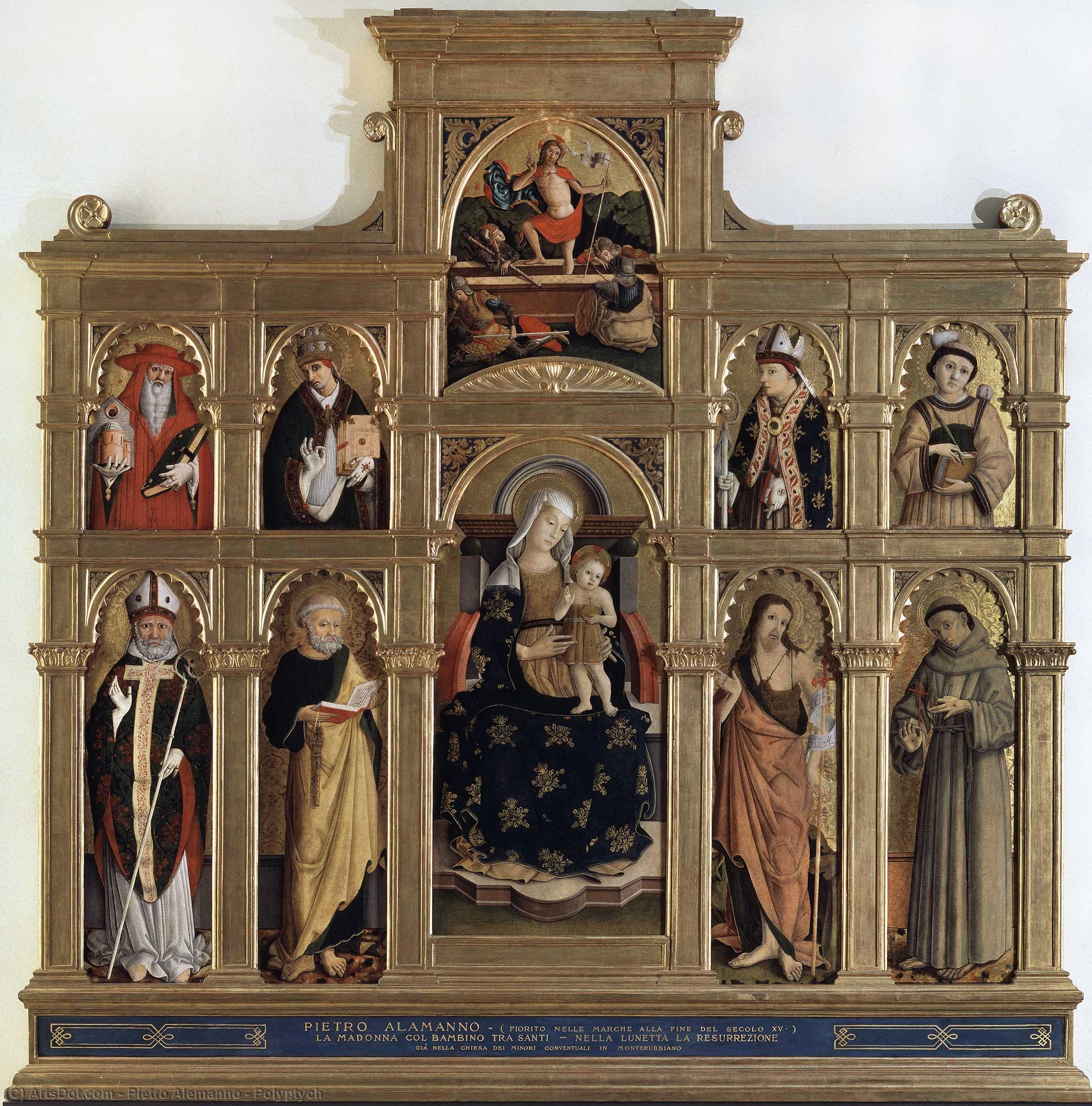
ポリプテイク


 詳細を見る
詳細を見る
手描き油彩複製画
当社のアーティストが、お客様のご希望のサイズと額縁に合わせて、キャンバスに手描きで制作する油彩画です。 ( プリント版に切り替え 画像に切り替え)




P118B $10

P118H $10

P118W $10

P438Z $10

P508JH $12

P508YH $12

P805H $10

P805Z $10

P919BZ $10

P919G $10

P919XJ $10

P959ZH $10

P968JZ $12

W106C $8

W218G $10

W218JH $8

W218Y $10

W307PJ $10

W316G $10

W316PJ $8

W316Y $10

W398PJ $8

W4111J $10

W500HY $15

W500JH $15

W692G $12

W849H $8

W940BG $15

W953PJ $8




作品のオリジナル比率に合わせた、当店の規定サイズからお選びください。

特定のフレームやスペースに合わせて、ご希望のサイズをご入力いただけます。選択されたサイズが元の画像の比率と異なる場合、アートワークをトリミングするか、手描きで要素を追加して絵画を拡張いたします。デジタルモックアップ を制作し、制作開始前にご確認(承認)をいただきます。
画面上のプレビューは、実際のトリミングや拡張を正確に反映しているものではありません。最終的な構図は、モックアップによってのみ正確にご確認いただけます。
カスタムサイズもご利用いただけますが、元の比率を維持するためには、あらかじめ用意されたリストからサイズを選択することをお勧めいたします。
ご注文後、OriginalUniqueArt.com チームより詳細な指示をお送りするとともに、仕上がりイメージ(モックアップ)をご提供いたします。


 ガラスオプションは、110cm未満のサイズでのみご利用いただけます。

ポリプテイク
複製技法
複製画のサイズ
-


合計金額
$ 300
作品解説
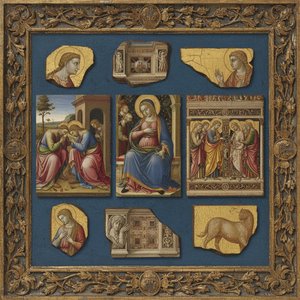
ピエトロ・アレマンノのポリプテイク:ルネサンスとゴシックの融合が生み出す荘厳な美
ピエトロ・アレマンノは、オーストリア出身の画家であり、カルロ・クリベリの弟子として活動しました。彼の作品は特に、 późny gotyk stylu 和風美術における繊細さと詳細さが特徴的で、美術史家たちに今なお関心を惹きつけています。彼の遺産は主にヴェネツィアのサンピエトロマティレにあるポリプテイクであり、多くのアルタペイスと聖職者の絵画が彼のスタイルを代表しています。この作品は、ルネサンスとゴシック美術の両方の伝統を融合させた芸術的な表現として高く評価されています。 初期の生涯と芸術的訓練について 情報は当時の記録に乏しく、特に十五世紀の資料は限られています。しかしながら、学術的なコンセンサスは彼が Göttweich で生まれ、クリベリの弟子であったことを示唆しています。彼の芸術的なトレーニングに関する詳細はほとんど知られていませんが、彼はヴェネツィアで活動する画家たちに影響を与えたと考えられています。 ポリプテイク:聖母とイエスの神秘を表現した壮麗な作品 アレマンノの代表作であるサンピエトロマティレにあるポリプテイクは、彼の芸術的才能を示す傑作です。この作品は、聖母マリアが幼子イエスを抱きしめる場面を描いたもので、その豪華さと繊細さは当時の美術家たちに大きな感動を与えました。聖母マリアとイエスの形象は、聖書における伝統的なモチーフを用いて表現されており、彼女の周囲には様々な聖職者が配置されています。これらの聖職者は、それぞれ独自の属性やシンボルを持っており、信仰と慈愛を象徴しています。特に注目すべきは、ポリプテイクの中心となる聖母マリアとイエスの姿で、その表情は穏やかさと祈りの情熱を表しています。この作品は単なる宗教的な表現にとどまらず、アレマンノの卓越した技術が人間の形を捉え、宗教的な象徴性を鮮やかに描き出した証拠と言えるでしょう。 技法と色彩:ゴシックの伝統とルネサンスの洗練された美学の融合 ポリプテイクは、アレマンノの優れた技法と色彩感覚によって彩られています。彼は特に、聖母マリアとイエスの形象に用いられた金箔の使用が印象的です。この金箔は、聖母マリアとイエスの姿をより神聖な光で輝かせ、見る人に畏敬の念を抱かせる効果があります。また、アレマンノはゴシック美術における伝統的な技法を受け継ぎながらも、ルネサンス美術における洗練された美学を取り入れました。彼は細密な描写と豊かな色彩を用いて、聖母マリアとイエスの形象に生命感を与え、その美しい表情は見る人の心を捉えます。彼の作品はゴシックの伝統的な要素とルネサンスの洗練された美学が融合した芸術的な表現として高く評価されています。 歴史的背景:ヴェネツィアにおける宗教美術の隆盛 ポリプテイクは、ヴェネツィアで活動するアレマンノにとって重要な時代でした。この時期には、ヴェネツィアはヨーロッパの中心となる宗教美術の中心地であり、多くの芸術家たちが聖職者の依頼を受け、壮麗なアルタペイスや聖堂の絵画を描きました。アレマンノのポリプテイクは、これらの作品と同様に、当時の社会における信仰と芸術の両方の価値を反映しています。彼はサンピエトロマティレで活動し、ヴェネツィアの美術家たちに影響を与え、彼の作品は後の芸術家にインスピレーションを与えました。アレマンノのポリプテイクは、ヴェネツィアにおける宗教美術の隆盛を象徴する傑作であり、彼の芸術的な遺産として今なお高く評価されています。アーティストの略歴
A Bridge Between Eras: The Life and Legacy of Pietro Alemanno
In the vibrant, shifting landscape of the fifteenth century, few artists embodied the transition from the medieval to the modern as gracefully as Pietro Alemanno. Born around 1430 in the serene surroundings of Göttweich, Austria, Alemanno’s life was a journey across borders and artistic philosophies. He emerged as a pivotal figure who bridged the gap between the lingering, ornate traditions of the Late Gothic style and the burgeoning, humanistic dynamism of the Italian Renaissance. While history often casts him in the shadow of giants like Piero della Francesca or Fra Angelico, a closer look at his oeuvre reveals an artist of profound independence and technical mastery, capable of weaving together the spiritual gravity of Northern Europe with the luminous innovations of the Italian peninsula.
The early chapters of Alemanno’s life remain shrouded in the mists of time, yet his artistic lineage is clearly traced through his connection to the masters of the Marches. Scholarly tradition long suggested he was a mere pupil or follower of the renowned Carlo Crivelli, a Venetian master celebrated for his blend of Gothic elegance and Renaissance realism. However, recent historical rediscoveries have painted a much more compelling portrait of an accomplished professional. Evidence suggests that Alemanno’s presence in the Marches region predates even that of Crivelli, positioning him not as a student seeking guidance, but as an established master capable of securing significant and complex commissions almost immediately upon his arrival in Italy.
The Synthesis of Style and Sacred Iconography
Alemanno’s work is a breathtaking synthesis of textures, light, and devotion. His stylistic evolution is most strikingly visible in his ability to integrate the meticulous, almost tactile detail characteristic of Gothic art with the new, sophisticated command of perspective emerging from the Renaissance. In his monumental Polyptych, commissioned for San Pietro Martire in Venice, one can witness this beautiful tension. The architectural framework—composed of elegant arches and columns—does not merely serve as a decorative border; it functions as a window into a sacred space, using deliberate spatial arrangement to guide the viewer’s eye toward the central figures of the Virgin and Child.
His mastery extended beyond mere structure to the very soul of his subjects. Alemanno possessed an unwavering devotion to Christian iconography, imbuing his saints and divine figures with a profound sensitivity that resonated deeply with the faithful of his era. His technique involved a meticulous approach to pigment preparation and compositional planning, allowing him to create surfaces that felt both ethereal and tangibly real. Whether through the soft glow of a Madonna’s countenance or the intricate, jewel-like details of an altarpiece, his work sought to achieve a visual harmony that reflected the divine order.
Major Achievements and Historical Significance
The breadth of Alemanno's contributions can be seen in the diverse range of his commissions, from grand frescoes to intimate devotional panels. His ability to adapt to different mediums and regional tastes solidified his reputation as a leading personality in the Northern-inspired figure painting that flourished in the Marches during the late 15th century. Some of his most notable milestones include:
- The Annunciation Fresco (1484): Executed for the Palazzo Communale in Ascoli, this work demonstrates his sophisticated use of elaborate architectural settings to create a sense of depth and drama.
- Altarpiece of the Virgin and Child (1489): Created for the church of Santa Maria della Carita, this piece showcases his skill in arranging complex groups of saints—including SS. Michael, Biaise, Jerome, and Nicholas—within a cohesive, sacred narrative.
- The Venetian Polyptych: A testament to his ability to absorb the luminosity and grandeur of the Venetian school, blending it with his inherent Gothic sensibilities.
Ultimately, Pietro Alemanno’s significance lies in his role as a cultural conduit. He was an artist who moved between the Germanic roots of his birth and the Italian heart of the Renaissance, carrying with him a unique aesthetic language that honored the past while embracing the future. Though he passed away in Ascoli Piceno around 1497 or 1498, his legacy survives in the quiet majesty of his altarpieces, which continue to captivate art historians and devotees alike with their enduring spiritual power and technical brilliance.

pietro alemanno
1430 - 1497 , Austria
基本情報
- Artistic Movement Or Style: Late Gothic Style / Renaissance Painting
- Artists Or Movements Influenced By This Artist: Perugino
- Artists Who Influenced This Artist: Carlo Crivelli
- Date Of Birth: ca. 1430
- Full Name: Pietro Alemanno
- Nationality: Austrian
- Notable Artworks: ['Polyptych']
- Place Of Birth: Goetweig, Austria
関連記事
初期ルネサンス美術を彩る至宝:10選が示す革新と美の源泉
初期ルネサンス美術の革新を彩る10選。ボッティチェリ、ダ・ヴィンチの名作から、時代を超越する美と技術を紐解きます。壁掛けアートやインテリアにインスピレーションを。OriginalUniqueArt.comで至宝のコレクションをオンラインで発見しましょう!
メトロポリタン美術館の至宝25選:名画とアートが語る歴史と美【OriginalUniqueArt】
メトロポリタン美術館の至宝25選。モネ、ゴッホ、レンブラント…名画に秘められた物語と技法を紐解きます。印象派からルネサンスまで、時代を超えて輝く芸術作品をウォールアートで暮らしに取り入れませんか?OriginalUniqueArt.comで全コレクションをご覧ください。
ボッティチェリの至宝25選:ルネサンス美術の華麗なる世界 | OriginalUniqueArt
ボッティチェリの至宝25選。ルネサンス美術を代表する「春」「ヴィーナスの誕生」など、名画の物語と芸術史を紐解きます。OriginalUniqueArtで高品質な複製画やインテリアアートを見つけ、お部屋に永遠の美を。今すぐコレクションをご覧ください。
Proto-Renaissance Masters: 10 Artworks That Changed History | OriginalUniqueArt
Journey back to the dawn of Renaissance art! Explore 10 iconic Proto-Renaissance masterpieces by Giotto, Cimabue & Duccio. Discover their stories, techniques & lasting impact. Find museum-quality reproductions for your home at OriginalUniqueArt.com
ミュンヘン・アルテ・ピナコテークの至宝25選:名画と芸術の物語 | OriginalUniqueArt
ミュンヘン・アルテ・ピナコテークの至宝25選。ドゥーラー、ラファエロ、レンブラントの名画を紐解き、ルネサンス美術とバロック美術の輝きをご堪能ください。OriginalUniqueArtで高品質なアートプリントや複製画を見つけ、お部屋に芸術の彩りを。今すぐコレクションをご覧ください。


