
 プレビュー
プレビュー
 シェアする
シェアする シェアする
シェアする
 詳細を見る
詳細を見る

 ダウンロード
 似ている作品
 X線調査
X線調査 スライドショー
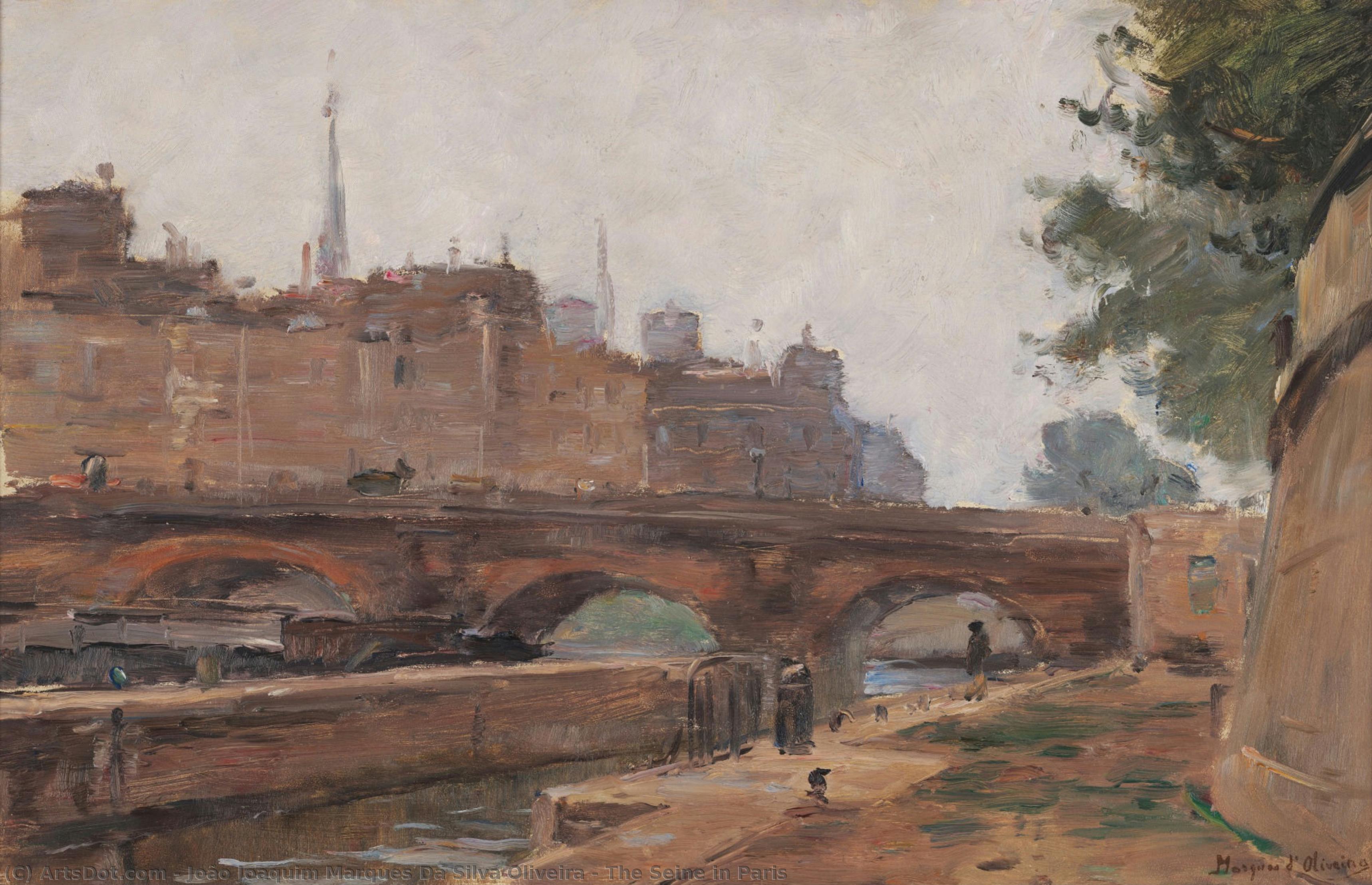
セーヌ川のパリ
 キャンバスに油彩
- ウォールアート
- Impressionistic Landscape
 1906
1906 29.0 x 45.0 cm
 Grão Vasco National Museum
 詳細を見る
詳細を見る
手描き油彩複製画
当社のアーティストが、お客様のご希望のサイズと額縁に合わせて、キャンバスに手描きで制作する油彩画です。 ( プリント版に切り替え 画像に切り替え)




P118B $10

P118H $10

P118W $10

P438Z $10

P508JH $12

P508YH $12

P805H $10

P805Z $10

P919BZ $10

P919G $10

P919XJ $10

P959ZH $10

P968JZ $12

W106C $8

W218G $10

W218JH $8

W218Y $10

W307PJ $10

W316G $10

W316PJ $8

W316Y $10

W398PJ $8

W4111J $10

W500HY $15

W500JH $15

W692G $12

W849H $8

W940BG $15

W953PJ $8




作品のオリジナル比率に合わせた、当店の規定サイズからお選びください。

特定のフレームやスペースに合わせて、ご希望のサイズをご入力いただけます。選択されたサイズが元の画像の比率と異なる場合、アートワークをトリミングするか、手描きで要素を追加して絵画を拡張いたします。デジタルモックアップ を制作し、制作開始前にご確認(承認)をいただきます。
画面上のプレビューは、実際のトリミングや拡張を正確に反映しているものではありません。最終的な構図は、モックアップによってのみ正確にご確認いただけます。
カスタムサイズもご利用いただけますが、元の比率を維持するためには、あらかじめ用意されたリストからサイズを選択することをお勧めいたします。
ご注文後、OriginalUniqueArt.com チームより詳細な指示をお送りするとともに、仕上がりイメージ(モックアップ)をご提供いたします。


 ガラスオプションは、110cm未満のサイズでのみご利用いただけます。

セーヌ川のパリ
複製技法
複製画のサイズ
-


合計金額
$ 300
作品解説
João Joaquim Marques da Silva Oliveira と「セーヌ川のパリ」について
ポルトガル美術史に名を刻むジョアオ・ヨアクイム・マルクエス・ダ・シルヴァ・オリベイラは、単なる画家ではありませんでした。彼は芸術的な革新と献身的な教育を融合させた重要な人物でありました。1853年にポルトガル・ポルトで生まれ、彼の人生は進化する美術様式と国家アイデンティティの中で展開されました。幼い頃から視覚表現への傾倒を感じ、わずか11歳でポルト美術大学に入学しました。この形式的な訓練は堅実な基盤を提供しましたが、フランスへの旅—特にパリのボヌール芸術学院での学び—が彼の芸術的発展を刺激しました。彼はアレクサンドレ・カバネルやアドルフ・イヴォンの指導の下でアカデミック絵画のニュアンスを吸収しながらも同時に、同じ時代の若いアーティストブラークとピカソとのコラボレーションを通じて実験的な探求を行いました。これらの形成的な年には、自然主義画家としての訓練を受け、彼は後にポルト美術大学で指導を務めました。オリベイラは伝統的な技法に忠実でありながらも、新しい視点を取り入れようと努めました。彼の作品は特に風景画において、光の表現と色彩感覚が特徴的です。- テーマ:セーヌ川のパリは、パリの象徴的なランドマークであるエッフェル塔やノートルダム大聖堂を捉えた美しい風景画です。
- スタイル:オリベイラの作品は自然主義絵画の影響を受けながらも、印象派の色彩感覚と光の表現を取り入れました。彼は特にセーヌ川の風景を描く際に、光の微妙な変化を巧みに表現しました。
- 技法:オリベイラの絵画技法は主に油彩で構成されています。彼は細密な観察と正確な色彩再現を重視し、風景の質感や雰囲気を効果的に表現しました。特にセーヌ川の水面や周囲の建物は、光の反射によって独特の美しさを放っています。
- 歴史的背景:オリベイラの作品は、19世紀後半にフランスで展開された印象派運動の影響を受けました。彼はこの時代の芸術家たちと交流し、新しい表現方法を学びました。セーヌ川の風景画は、当時のパリの文化的な情熱と美意識を反映しています。
- シンボル主義:オリベイラの作品には、セーヌ川の水面やエッフェル塔などのランドマークが象徴的に描かれています。これらのモチーフは、パリの歴史と文化を想起させ、見る人に感動と詩的な表現を与えます。
アーティストの略歴
A Life Immersed in Light and Learning: The World of João Joaquim Marques de Oliveira
João Joaquim Marques da Silva Oliveira, a name resonant within the annals of Portuguese art, was more than simply a painter; he was a pivotal figure who bridged artistic innovation with dedicated education. Born in Porto in 1853, his life unfolded against a backdrop of evolving artistic styles and a burgeoning national identity. From an early age, a clear inclination towards visual expression led him to the Escola Superior de Belas-Artes do Porto at just eleven years old. This formal training provided a solid foundation, but it was his subsequent journey to France – specifically, the prestigious École des Beaux-arts – that truly ignited his artistic development. There, under the tutelage of masters like Alexandre Cabanel and Adolphe Yvon, he absorbed the nuances of academic painting while simultaneously venturing into explorations with colleagues such as António da Silva Porto. These formative years weren’t confined to Parisian studios; extensive travels through Belgium, England, the Netherlands, and Italy broadened his perspective, exposing him to diverse landscapes and artistic traditions that would profoundly influence his future work. His early participation in the Salons of 1876 and 1878 signaled a promising start, showcasing an emerging talent poised to make its mark on the European art scene.Pioneering Plein-Air and Shaping Artistic Education
Upon his return to Porto in 1879, Marques de Oliveira didn’t merely practice his art; he actively disseminated new ideas. He became a champion of plein-air painting – the act of painting outdoors directly from nature – a revolutionary concept for Portugal at the time. This commitment to capturing the immediacy of light and atmosphere would become a defining characteristic of his style, imbuing his landscapes with a sense of vibrant realism. Simultaneously, he became deeply involved in the artistic community, serving as Vice-President of the Centro Artístico Portuense, an organization dedicated to fostering creativity and innovation. However, perhaps his most enduring legacy lies in his decades-long commitment to art education. From 1881 until 1926, he served as a professor at the Academy in Porto, eventually rising to the position of Director. He wasn’t simply imparting technical skills; he was cultivating a new generation of artists, instilling in them a passion for observation, a dedication to craftsmanship, and an appreciation for the power of artistic expression. Among his notable students were Aurélia de Sousa and Lino António, both of whom would become significant figures in Portuguese art.Naturalism’s Embrace: Themes and Techniques
Marques de Oliveira's artistic style is firmly rooted in Naturalism, a movement that sought to depict the world with unflinching realism, often focusing on everyday life and landscapes. His paintings are characterized by meticulous attention to detail, a subtle yet masterful handling of light and shadow, and a profound sense of atmosphere. While he explored various subjects throughout his career, he is particularly renowned for his serene landscapes and evocative seascapes. Works like Marina, housed in the Casa-Museu Dr. Anastácio Gonçalves in Lisbon, exemplify his ability to capture the tranquility and beauty of the Portuguese coastline. His paintings aren’t merely representations of places; they are imbued with a sense of mood and emotion, inviting viewers to immerse themselves in the scene. Portrait of António Soares dos Reis demonstrates his skill in portraiture, capturing not just physical likeness but also the character and intellect of his subject. He skillfully blended academic training with the freshness of plein-air observation, resulting in a style that was both technically proficient and emotionally resonant.A Lasting Influence and National Recognition
Marques de Oliveira’s contributions extended beyond his artistic creations and teaching endeavors. In 1911, he was appointed Chairman of the Board and member of the Executive Committee for Art at the Soares dos Reis National Museum, playing a crucial role in shaping the museum's collection and direction. He later became its Director in 1913, further solidifying his position as a leading figure in Portuguese cultural life. His dedication to art and education was formally recognized posthumously in 1929 with the unveiling of a bronze bust in the Jardim de São Lázaro, adjacent to the Academy – a fitting tribute to a man who had devoted his life to nurturing artistic talent. Today, his works continue to be admired for their technical brilliance, emotional depth, and enduring beauty. His legacy lives on not only through his paintings but also through the countless artists he inspired during his long and distinguished career. He remains a vital link in understanding the development of Portuguese art during the 19th and early 20th centuries, a testament to the power of dedication, innovation, and a lifelong commitment to learning.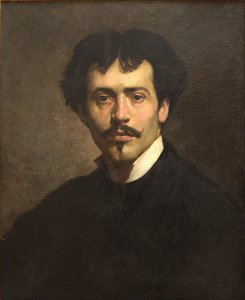
João Joaquim Marques da Silva Oliveira
1853 - 1927 , Portugal
基本情報
- Artistic Movement Or Style: Naturalism
- Artists Or Movements Influenced By This Artist:
- Aurélia de Sousa
- Lino António
- Artists Who Influenced This Artist:
- Alexandre Cabanel
- Adolphe Yvon
- Date Of Birth: 1853
- Date Of Death: 1927
- Full Name: João Joaquim Marques da Silva Oliveira
- Nationality: Portuguese
- Notable Artworks:
- Marina
- Woman in Rome
- Portrait of António Soares dos Reis
- Place Of Birth: Porto, Portugal
関連記事
Beyond the Horizon: 10 Landscape Masterpieces for Your Home Decor
Journey through 10 breathtaking landscape paintings by Monet, Van Gogh & more! Explore iconic artworks, artistic techniques & find inspiration for your home decor. Museum-quality reproductions at OriginalUniqueArt.com. Discover all masterpieces on OriginalUniqueArt.com

Evocations of Place: A Historical Journey Through Landscape Art
Explore the rich history of landscape art with OriginalUniqueArt. Discover renowned artists, movements like Impressionism & tonalism, and expert guidance for collecting timeless pieces. Find your perfect serene escape today!

Evocations of Place: A Historical Journey Through Landscape Art
Explore the rich history of landscape art with OriginalUniqueArt. Discover renowned artists, movements like Impressionism & Romanticism, and expert guidance for collecting timeless pieces. Find your perfect serene escape today!

Flowing Narratives: Rivers in Painting – A Historical Exploration
Explore the rich history of rivers in painting! Discover masterpieces from ancient times to Impressionism & beyond. Learn about symbolism, artists like Monet & Daubigny, and find your perfect serene artwork at OriginalUniqueArt.
Capturing the Light: A Journey Through the Soul of American Impressionism and the Hudson River School
Explore the luminous beauty of American Impressionism and the Hudson River School. Discover a curated journey through light, landscape, and history, celebrating the enduring legacy of masters through exquisite, hand-painted oil reproductions for the discerning art lover.


