

 プレビュー
プレビュー
 プリントを購入
 シェアする
シェアする シェアする
シェアする
 詳細を見る
詳細を見る

 ダウンロード
 似ている作品
 X線調査
X線調査 スライドショー
The Last Supper
 油彩
油彩- ウォールアート
- Academicism
 19世紀
19世紀 56.0 x 91.0 cm
 詳細を見る
詳細を見る




P118B $10

P118H $10

P118W $10

P438Z $10

P508JH $12

P508YH $12

P805H $10

P805Z $10

P919BZ $10

P919G $10

P919XJ $10

P959ZH $10

P968JZ $12

W106C $8

W218G $10

W218JH $8

W218Y $10

W307PJ $10

W316G $10

W316PJ $8

W316Y $10

W398PJ $8

W4111J $10

W500HY $15

W500JH $15

W692G $12

W849H $8

W940BG $15

W953PJ $8




作品のオリジナル比率に合わせた、当店の規定サイズからお選びください。

特定のフレームやスペースに合わせて、ご希望のサイズをご入力いただけます。選択されたサイズが元の画像の比率と異なる場合、アートワークをトリミングするか、手描きで要素を追加して絵画を拡張いたします。デジタルモックアップ を制作し、制作開始前にご確認(承認)をいただきます。
画面上のプレビューは、実際のトリミングや拡張を正確に反映しているものではありません。最終的な構図は、モックアップによってのみ正確にご確認いただけます。
カスタムサイズもご利用いただけますが、元の比率を維持するためには、あらかじめ用意されたリストからサイズを選択することをお勧めいたします。
ご注文後、OriginalUniqueArt.com チームより詳細な指示をお送りするとともに、仕上がりイメージ(モックアップ)をご提供いたします。


 ガラスオプションは、110cm未満のサイズでのみご利用いただけます。

The Last Supper
複製技法
複製画のサイズ
-


合計金額
$ 300
アーティストの略歴
The Grandeur of a Visionary: The Life and Legacy of Henryk Siemiradzki
In the golden age of Academicism, few names commanded as much reverence or evoked as much awe as Henryk Siemiradzki. A titan of the late nineteenth century, his canvases served as magnificent portals, transporting viewers from the industrializing reality of their era into the sun-drenched splendor of antiquity and the profound spiritual depths of biblical narratives. Born in 1843 in Belgorod, within the Russian Empire, Siemiradzki was a man of dual heritage—a Polish artist whose creative soul flourished amidst the vibrant cultural landscapes of Saint Petersburg, Munich, and ultimately, Rome. His early life, steeped in the traditions of a noble family, provided him with an intellectual foundation that would later allow him to weave complex historical and mythological tapestries with unparalleled sophistication.
The trajectory of his genius was mapped through rigorous discipline and an insatiable thirst for mastery. After initial training under the local schoolteacher D.I. Besperchy, Siemiradzki entered the prestigious Imperial Academy of Arts in Saint Petersburg. It was here that his technical prowess began to crystallize, culminating in a coveted gold medal upon his graduation. However, it was his subsequent journey to Munich to study under the legendary Karl von Piloty that truly ignited his stylistic evolution. Under Piloty’s influence, Siemiradzki embraced the dramatic potential of historical painting, learning to manipulate light and shadow to create theatrical compositions that felt both monumental and intimately human. This period of intense academic refinement prepared him for his most defining chapter: his relocation to Rome in 1872.
A Master of Light, Drama, and Antiquity
Rome was not merely a residence for Siemiradzki; it was his muse. Settling amidst the eternal city's ruins and classical beauty, he developed a signature style characterized by an extraordinary ability to capture the ephemeral quality of light. His works often feature sunlit pastoral scenes that seem to breathe with the warmth of a Mediterranean afternoon, contrasted sharply by the heavy, dramatic tension of his historical tragedies. He possessed a rare gift for "theatrical realism," where every brushstroke contributed to a sense of unfolding drama, as if the viewer had stumbled upon a frozen moment of a grand opera.
His repertoire was as vast as it was profound, spanning several key thematic pillars:
- The Greco-Roman World: He breathed life into the legends of antiquity, depicting the splendor and the cruelty of ancient civilizations with meticulous archaeological detail.
- Biblical Narratives: With a sensitive hand, he approached the New Testament, creating works like Christ in the House of Martha and Mary that offered spiritual depth through human emotion.
- Historical Spectacle: His ability to render large-scale events allowed him to create monumental pieces that captured the essence of historical turning points.
- Theatrical Artistry: Beyond the canvas, his talent extended to the grandest stages, including the design of magnificent curtains for the Lwów Theatre of Opera and the Juliusz Słowacki Theatre in Kraków.
Technically, Siemiradzki was a virtuoso of the academic method. His use of color was both vibrant and controlled, capable of conveying the shimmering heat of a Roman noon or the somber, flickering glow of torches in a dark corridor. In works such as Nero's Torches, one can witness his mastery over light as it dances across surfaces, creating a sensory experience that transcends mere representation.
Historical Significance and Eternal Resonance
The significance of Henryk Siemiradzki extends far beyond the borders of Poland or the halls of the academies. He was a bridge between the classical traditions of the past and the burgeoning emotional intensity of the late nineteenth century. While some later movements would rebel against the perceived rigidity of Academicism, Siemiradzki’s work remained beloved for its ability to evoke wonder and empathy. His paintings became part of the permanent heritage of Europe, finding homes in the most prestigious national galleries across the continent.
Even today, his legacy endures through the sheer emotional impact of his compositions. He did not merely paint history; he resurrected it. Through his eyes, the ancient world was never truly lost—it remained vibrant, breathing, and eternally beautiful. As a master of Academic realism, Siemiradzki left behind a body of work that continues to invite modern viewers to contemplate the grandeur of human history and the timeless beauty of the classical spirit.
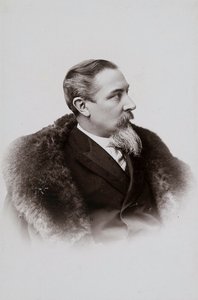
Henryk Siemiradzki
1843 - 1902 , Russia
基本情報
- Artistic Movement Or Style: Academic Art
- Artists Or Movements Influenced By This Artist: ['Romanticism']
- Artists Who Influenced This Artist: ['Karl von Piloty']
- Date Of Birth: October 24, 1843
- Date Of Death: August 23, 1902
- Full Name: Henryk Hector Siemiradzki
- Nationality: Polish
- Notable Artworks:
- Phryne At The Festival Of Poseidon
- Landscape
- Orpheus
- Place Of Birth: Belgorod, Russia
関連記事
ジャコポ・ティンコレット:至高の25選 – ヴェネツィア巨匠のドラマと光の世界 | OriginalUniqueArt
ジャコポ・ティンコレットの至高の25選。ドラマと光の世界を彩るヴェネツィア派巨匠の名画を紐解きます。ルネサンス絵画からバロック絵画まで、OriginalUniqueArtで高品質な複製画やインテリアアートを見つけましょう。傑作コレクションをオンラインで探求してください。
The Power of Visual Narrative: Exploring Dramatic Composition in Art History
Explore the captivating world of dramatic art history! Discover Baroque masters like Caravaggio & Giordano, learn key compositional techniques, and unlock the emotional power within iconic paintings. Enhance your collection with OriginalUniqueArt.

The Golden Age Reforged: Dramatic Realism & Religious Zeal in Spanish Baroque Art
Explore the dramatic world of Spanish Baroque art! Discover masters like Zurbarán & the powerful influence of religious zeal on painting techniques – a guide for collectors and enthusiasts.

エル・グレコの傑作25選:魂を揺さぶる宗教画と芸術の深淵 | OriginalUniqueArt
エル・グレコの傑作25選:魂を揺さぶる宗教画の世界へ。スペイン絵画の巨匠、マニエリスム様式と Toledo の光彩を紐解きます。OriginalUniqueArt.com で名画のアートプリントや複製画をお楽しみください。コレクションはこちら →

Sacred Narratives on Canvas: Exploring Religious Painting Through History
Explore the rich history of religious painting with OriginalUniqueArt.com! Discover iconic artworks, symbolism & techniques from antiquity to the Renaissance. Enhance your art appreciation today.

