
 プレビュー
プレビュー
 プリントを購入
 シェアする
シェアする シェアする
シェアする
 詳細を見る
詳細を見る

 ダウンロード
 似ている作品
 X線調査
X線調査 スライドショー
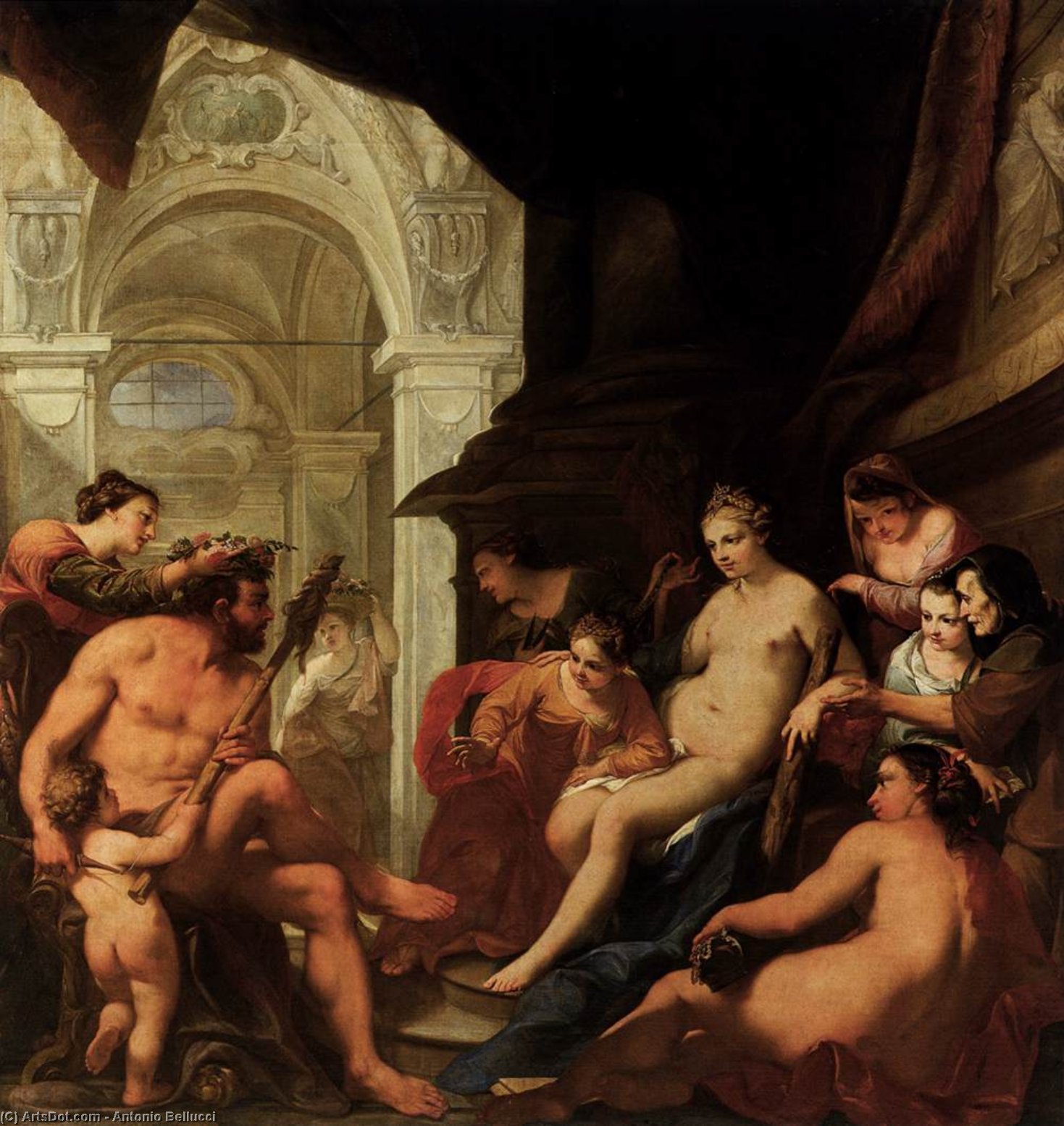
オムファレ宮殿のヘラクレス
 キャンバスにアクリル絵具
- ウォールアート
- Venetian Rococo
 1698
1698 320.0 x 300.0 cm
 Ca' Zenobio
 詳細を見る
詳細を見る




P118B $10

P118H $10

P118W $10

P438Z $10

P508JH $12

P508YH $12

P805H $10

P805Z $10

P919BZ $10

P919G $10

P919XJ $10

P959ZH $10

P968JZ $12

W106C $8

W218G $10

W218JH $8

W218Y $10

W307PJ $10

W316G $10

W316PJ $8

W316Y $10

W398PJ $8

W4111J $10

W500HY $15

W500JH $15

W692G $12

W849H $8

W940BG $15

W953PJ $8




作品のオリジナル比率に合わせた、当店の規定サイズからお選びください。

特定のフレームやスペースに合わせて、ご希望のサイズをご入力いただけます。選択されたサイズが元の画像の比率と異なる場合、アートワークをトリミングするか、手描きで要素を追加して絵画を拡張いたします。デジタルモックアップ を制作し、制作開始前にご確認(承認)をいただきます。
画面上のプレビューは、実際のトリミングや拡張を正確に反映しているものではありません。最終的な構図は、モックアップによってのみ正確にご確認いただけます。
カスタムサイズもご利用いただけますが、元の比率を維持するためには、あらかじめ用意されたリストからサイズを選択することをお勧めいたします。
ご注文後、OriginalUniqueArt.com チームより詳細な指示をお送りするとともに、仕上がりイメージ(モックアップ)をご提供いたします。


 ガラスオプションは、110cm未満のサイズでのみご利用いただけます。

オムファレ宮殿のヘラクレス
複製技法
複製画のサイズ
-


合計金額
$ 300
作品解説
アントニオ・ベルーッチのヘラクレスとオムファレ宮殿:イタリアロココ絵画の壮麗な表現
アントニオ・ベルーッチは、ヴェネツィア美術における重要な人物であり、ロココ時代を象徴する芸術家の一人として、ヨーロッパ美術史にその名を刻んでいます。イタリアのピエヴ ディ ソリゴで生まれ育ちました彼は、ドメニコ ディフニのもとでセベニコ(シベニック)で芸術修行を行い、古典的な原則とバロックのダイナミズムを融合させました。1675年にはすでにヴェネツィアで活動を開始し、サンピエトロ ディ カステルロに聖 ローレンツォ ユスティニアニが疫病からの救いを祈願する壮大なフレスコ画を描き込みました。この依頼は彼のドラマチックな感情を表現する能力と宗教的な熱意を示すものでした。これは当時のヴェネツィア美術の特徴でした。 ベルーッチの芸術活動は聖職者への依頼にとどまらず、彼は卓越した技術で聖母マリアの誕生を描き込みました。この作品はロココ時代の優雅さと繊細さを完璧に表現しており、その色彩豊かな表現と洗練された構図は見る者を魅了します。ベルーッチの絵画は単なる美しい視覚的な体験を提供するだけでなく、当時の社会情勢や文化的な価値観を反映しています。彼は特にヴェネツィア宮廷画家として活躍し、貴族や王族の間で高い評価を得ました。彼の作品は多くの美術館に所蔵されており、美術史の研究者や愛好家にとって重要な資料となっています。 ベルーッチのヘラクレスとオムファレ宮殿は、この芸術家の代表作の一つです。この絵画はヘラクレスがオムファレ女王との宮殿で描かれています。ヘラクレスは腰を上げ、周囲には多くの人物が集まっています。少なくとも12人の人々が登場し、男性と女性の両方がいます。彼らの中には会話に夢中になっている人もいれば、他の人はシーンを見守っている人もいます。衣装は多様であり、一部の人々は他の人よりも豪華な服装をしています。全体的な雰囲気は活気があり社交的で、人々が宮殿で開催しているようなイベントに参加しているかのようです。この絵画は単なる歴史的な記録ではありません。それはロココ時代の美学と精神性を表現した傑作です。ベルーッチのヘラクレスとオムファレ宮殿は、イタリア美術史における重要な作品として後世に受け継がれています。- スタイル:ロココ様式
- 技法:油彩技法
- サイズ:高さ320cm 幅300cm
- 制作年:1698年
アーティストの略歴
The Grandeur of the Venetian Spirit
Antonio Bellucci stands as a luminous figure within the Venetian artistic tradition, a master whose brush captured the transition from the dramatic intensity of the Baroque to the airy elegance of the Rococo. Born in 1654 in Pieve di Soligo, Italy, Bellucci’s early training under Domenico Difnico in Sebénico provided him with a rigorous foundation in classical principles. However, it was his arrival in Venice that truly ignited his creative spirit. By 1675, he was already making significant contributions to the city's sacred spaces, most notably through his monumental frescoes for San Pietro di Castello. In these works, depicting Saint Lorenzo Giustiniani’s fervent prayers during the plague of 1447, Bellucci demonstrated an extraordinary ability to weave together religious devotion and human emotion, creating a sense of divine drama that resonated deeply with the Venetian public.
His talent was not confined to the spiritual realm; Bellucci possessed a versatile mastery over various genres, from the intimate tenderness of nativity scenes for the church of Ascension to the sweeping narratives of classical mythology. A defining characteristic of his development was his collaborative spirit. He worked in close harmony with the landscape painter Antonio Tempesta, where Bellucci’s skill in rendering human figures breathed life and narrative complexity into Tempesta's expansive vistas. This synergy between figure and landscape became a hallmark of his maturing style, blending movement and grace with structural depth.
A Courtly Ascent and European Legacy
As his reputation grew, Bellucci’s ambitions carried him far beyond the borders of the Venetian Republic, leading him to the heart of European power. His periods in Vienna during the late seventeenth and early eighteenth centuries marked a pinnacle in his career, as he secured the prestigious patronage of the Habsburg court. Under the gaze of Emperor Charles VI, Bellucci undertook monumental projects that showcased his technical prowess on an imperial scale. The four altarpieces he created for Klosterneuburg serve as enduring testaments to his ability to command large-scale religious compositions with both majesty and clarity.
The zenith of his architectural painting is perhaps best exemplified by the breathtaking ceiling frescoes at Palais Liechtenstein. In depicting the Triumph of Hercules, Bellucci utilized the grand manner to create an immersive experience, where mythological heroism meets the sophisticated aesthetics of the burgeoning Rococo era. This ability to synthesize classical grandeur with a lighter, more decorative touch allowed him to navigate the changing tastes of the European aristocracy with ease.
Beyond his individual achievements, Bellucci’s historical significance is cemented by his role as a mentor and an influential force in the lineage of Italian art. Through his instruction of talented students such as Antonio Balestra and potentially Jacopo Amigoni, he ensured that the sophisticated techniques of the Venetian school would endure and evolve. His legacy remains etched in the ceilings of palaces and the altars of cathedrals, representing a period of unparalleled artistic splendor where light, movement, and myth converged to celebrate the human and the divine.

Antonio Bellucci
1654 - 1726 , Italy
基本情報
- Artistic Movement Or Style: Rococo
- Artists Or Movements Influenced By This Artist: ['Venetian Art']
- Artists Who Influenced This Artist: ['Domenico Difnico']
- Date Of Birth: 1654
- Date Of Death: 1726
- Full Name: Antonio Bellucci
- Nationality: Italian
- Notable Artworks:
- St Lorenzo Giustiniani Praying
- Nativity
- Hercules Triumph
- Place Of Birth: Pieve di Soligo, Italy
関連記事
家族の遺産を壁画で彩る:伝統技法が紡ぐ、時を超越する美と記憶
古代から現代までの壁画の歴史と技法を解説。日本の壁画文化やカスタムオーダーによる家族の遺産表現、保存・修復技術まで網羅。専門家が時を超越する美と記憶を紡ぐ芸術的価値をご案内します。
The Enduring Legacy of Fresco Painting: Techniques, History & Contemporary Relevance
Explore the rich history & enduring artistry of fresco painting – from Giotto to Michelangelo! Discover techniques, conservation efforts, & modern applications. Learn how OriginalUniqueArt brings this timeless art form to your home.

The Enduring Legacy of Fresco: Technique, History & Artistic Expression Across Cultures
Explore the rich history & enduring legacy of fresco painting! Discover ancient techniques, Giotto's masterpieces, and modern applications. Expert insights for art lovers & professionals.
Art That Lives With You: The Emotional Power of a Custom Interior Fresco
Discover the emotional power & timeless beauty of custom interior frescoes. Explore history, design tips & expert guidance from – creating lasting legacies.

The Enduring Legacy of Fresco: Technique, History & Artistic Expression
Explore the rich history & enduring artistry of fresco painting. Discover techniques from Giotto to Michelangelo, conservation efforts, & modern applications. Learn how OriginalUniqueArt brings this timeless art form to your home.



