Symbolism
Back to nothing (マックス・クリンガー)
マックス・クリンガー (1857–1920)による作品『Back to nothing』 Symbolism運動に属しています。 Etchingで制作されています。
- Etching

 設置イメージを表示

 手描き油彩画
 シェアする
 シェアする
 解説シート


 ダウンロード
 似ている作品
 X線調査
 スライドショーを表示
 Q&A

 統計情報
Back to nothingの概要
- 作品名
- Back to nothing
- 作家
- マックス・クリンガー (1857–1920)
- 作家の生年
- ライプツィヒ, ドイツ
- 技法
- Etching
- 制作年代
- 19th Century
- 主題
- man, nude, human form, black background, grayscale, shadows
Back to nothingには何が描かれていますか?
Identification of Back to nothing by Max Klinger
We are looking at Back to nothing, a work by the German artist Max Klinger. Born in Leipzig, Germany, in 1857, Klinger developed a visual language that moved away from the literalism of his era. This specific piece reflects his interest in the psychological and the unseen, focusing on the human form in a state of profound isolation. It is a quiet, unsettling encounter with the void.
Klinger’s background in Leipzig provided him with a foundation that allowed him to explore the more difficult, subconscious aspects of existence. In Back to nothing, he moves beyond simple representation to capture a sense of vulnerability. The figure presented here is not merely a body, but a vessel for exploring the tension between presence and disappearance. It is a significant example of his ability to use graphic precision to touch upon the irrational forces of the psyche.
Composition and Visual Elements
The composition is defined by a profound sense of instability. A nude male figure is positioned diagonally across the frame, creating a heavy sense of downward movement. This reclining form appears suspended, caught in a state of falling into a vast, dark abyss. The arrangement suggests a sudden loss of equilibrium, as if the subject is being pulled into the void. A thin, horizontal line cuts across the upper portion of the image, introducing a sharp tension that interrupts the otherwise fluid, organic descent of the body.
Darkness dominates the visual field, leaving very little room for environmental detail. The figure emerges as a pale, singular form against a nearly black background, which emphasizes the isolation of the body. This stark contrast between the light of the skin and the surrounding emptiness focuses the eye entirely on the physical presence of the man. The lack of a defined horizon or grounding elements heightens the feeling of being lost within an infinite, shadowy space.
Technique and Material Application
This work is a print, a medium that allows for a particular kind of precision and depth. It was likely achieved through etching or engraving, processes that require a steady hand and a deep understanding of how ink interacts with a surface. The artist would have worked upon a metal printing plate, most likely composed of steel or copper, to capture the fine details of the form. By scratching into the metal, the artist creates a map of lines that hold the ink, which is then transferred to paper through the pressure of a press.
The rendering of the body reveals a sophisticated use of hatching and cross-hatching. These repetitive, overlapping lines are not merely decorative; they define the anatomical contours and provide a sense of three-dimensional weight to the figure. This meticulous application of line creates a tactile quality, where the skin and the surrounding void feel distinct through the varying density of the marks. The resulting surface has a subtle, scratchy texture that emphasizes the physical reality of the printmaking process itself.
Style and Artistic Movement
The style of this work is fundamentally Expressionistic. It moves away from the mere imitation of the physical world, opting instead for a distorted representation of reality. This distortion is not an error of technique but a deliberate choice to prioritize emotional intensity over anatomical or spatial accuracy. By warping the familiar, the artist captures a sense of psychological unrest that a more literal approach would fail to convey.
There is a profound connection here to the Symbolist movement. Rather than focusing on external narratives, the piece explores deep-seated psychological themes through its imagery. It seeks to give form to the intangible—the anxieties and the subconscious states that define the human condition. The tension between the recognizable human form and the void it inhabits creates a visual language centered on the internal experience rather than the external environment.
Visual Texture and Lighting Effects
The surface of the work possesses a palpable, almost tactile quality. Through the meticulous application of hatching and cross-hatching, Klinger achieves a texture that feels distinctly physical. This technique produces a rough, scratchy quality across the rendering of the skin and hair, lending a sense of raw materiality to the form. The lines are not merely descriptive; they build a sense of three-dimensionality that makes the figure feel present within the void.
The lighting is quiet yet profoundly directional. An unseen source, positioned above and slightly to the right of the figure, casts a focused light across the upper body. This illumination leaves the lower portions in deep, heavy shadow, creating a stark contrast that emphasizes the figure's vulnerability. The way the light falls suggests a moment of sudden exposure, heightening the sense of isolation as the form recedes into the surrounding darkness.
Color Palette and Tonal Range
The palette here is intentionally restrained, stripped of any chromatic distraction. You will find no vibrant colors to draw the eye away from the central form. Instead, the work relies entirely on a grayscale spectrum, creating a quiet, monochromatic atmosphere that feels both stark and deliberate. It is a study in the absence of hue.
The tonal range moves through a controlled progression from near black to a pale, ghostly white. This narrow window of light and shadow defines the contours of the figure against the void. By limiting the colors to these essential shades, the artist focuses the viewer's attention on the subtle shifts in value that suggest volume and depth. The darkness is not merely a background; it is a heavy, pervasive presence that defines the limits of the visible world.
Subject Matter and Symbolic Themes
The subject matter centers on the human form in a state of profound distress or decline. A nude male figure is positioned diagonally, appearing to fall or be suspended within an abyss. This sense of instability suggests a descent into madness, death, or total oblivion. The figure's vulnerability is palpable as it recedes into the surrounding darkness.
The composition explores the heavy themes of mortality and the unknown. The darkness that envelops the body is not merely a background but a symbol of isolation, fear, and the void. It creates a psychological space where the individual is stripped of context, leaving only the raw reality of existence facing the inevitable. There is a quiet, unsettling tension in this movement toward nothingness.
Related Works by Max Klinger
To understand the psychological weight of this piece, one might look toward other explorations in the artist's graphic cycles. His 1881 series, Paraphrase on the Finding of a Glove, offers a similar preoccupation with memory and the fragmented nature of human connection. It is a work that relies heavily on the narrative potential of small, symbolic objects to convey deep-seated longing. Similarly, the 1880 series Eva und die Zukunft approaches the human condition through a lens of existential inquiry, much like the themes of mortality and the void present here.
The artist's range extends into various other forms, including the work titled Finis found in our collection. There is also an untitled work, dating to about 1736, which provides a different perspective on his technical development. These pieces, alongside the more monumental sculptural projects of his later years, illustrate a career dedicated to the intersection of the physical form and the unseen currents of the subconscious.
Back to nothingの高解像度画像
マックス・クリンガー, Back to nothing.
マックス・クリンガー (1857–1920), Back to nothing, etching. パブリックドメイン 画像:OriginalUniqueArt.com
Back to nothingに関するよくあるご質問
マックス・クリンガー作「Back to nothing」 の技法(画材)は何ですか?
「Back to nothing」の技法はEtchingです。
マックス・クリンガー作「Back to nothing」には何が描かれていますか?
マックス・クリンガー作「Back to nothing」に描かれているテーマには、man, nude, human form, black background, grayscale, shadowsなどがあります。これらが合わさることで、本作の主題を構成しています。
マックス・クリンガー作「Back to nothing」の画像は自由に複製できますか?
マックス・クリンガー作「Back to nothing」 の著作権について:本作品はパブリックドメイン(著作権消滅)です。これにより、画像の複製が自由に行えるかどうかが決まります。
「Back to nothing」の作者は誰ですか?
「Back to nothing」の作者はマックス・クリンガーです。この作品はマックス・クリンガーの名でカタログに登録されています。
マックス・クリンガー作「Back to nothing」は、どの芸術運動に属していますか?
マックス・クリンガー作「Back to nothing」に関連する芸術運動はSymbolismです。この分類により、本作は関連する他の芸術家や作品群の中に位置づけられます。
「Back to nothing」は、マックス・クリンガーの画業におけるどの時期の作品にあたりますか?
「Back to nothing」は、マックス・クリンガーの画業におけるMature Periodに属します。この分類は、作品をアーティストの作風の変遷に関連付けるものです。
「Back to nothing」の著作権の状態は、なぜこのようなものになっているのでしょうか?
マックス・クリンガー作「Back to nothing」はパブリックドメイン(著作権消滅)です。著作権の保護期間は、1920年に亡くなった作家の没年から起算されます。
「Back to nothing」は、マックス・クリンガーのテーマやスタイルとどのように結びついているのでしょうか?
マックス・クリンガーの作品群において、「Back to nothing」はSymbolism様式に属しており、menzel and goya, symbolism, psychological depth, graphic arts legacy, human psycheというテーマを共有しています。
「Back to nothing」の主題は、マックス・クリンガーが普段扱うテーマとどのように関連していますか?
「Back to nothing」はman, nude, human form, black background, grayscale, shadowsを描いていますが、マックス・クリンガーのこれまでの主要なテーマはmenzel and goya, symbolism, psychological depth, graphic arts legacy, human psycheです。この二つを比較することで、本作が作家の恒常的な主題とどのように結びついているかが浮き彫りになります。
アーティスト マックス・クリンガー について

1857–1920, ドイツ
マックス・クリンガー
影の世界:マックス・クリンガー、象徴主義の先駆者 1857年にライプツィヒで生まれたマックス・クリンガーは、写実主義と芽生えつつあった象徴主義の間を取り持つ重要な人物として登場しました。彼の芸術的旅程は、即座に認められるものではなく、むしろ現代美術に深い影響を与える心理的な深みへの独特なビジョンの徐々に展開していく過程でした。カール・グッソーのもとでカールスルーエ美術アカデミーで初期の訓練を受けたクリンガーは、伝統的な技術の確固たる基礎を築きましたが、メンツェルやゴヤといった版画家の作品に魅了されたことが、彼の想像力を真に掻き立てました。これらの巨匠たちは、単なる視覚的表現だけでなく、物語の複雑さと感情の強度を伝える版画の力を示しました。クリンガーは、その質をキャリアを通して見事に活用することになります。彼は、世界をそのまま描写するのではなく、その隠された流れ、不安、そして夢を明らかにしようと努めました。 写実主義からの脱却:象徴的な深みへ クリンガーの芸術的進化は、率直な写実主義からより主観的で象徴的な言語への意識的な移行によって特徴づけられました。当初、彼の作品は当時の主流の美学を反映していました—日常生活の詳細な描写です。しかし、この段階は単なる踏み台に過ぎませんでした。転換点は、1881年に制作された一連の版画『手袋の発見についてのパラフレーズ』でした。全10枚からなるこの野心的なプロジェクトは、ある出来事の文字通りの描写ではなく、欲望、喪失、そして人間関係の複雑さを断片的で夢のような形で探求するものでした。手袋自体が強力な象徴となり—記憶と憧憬に満ちた遺物となりました。このシリーズは、クリンガーを象徴主義運動の主要な担い手として確立し、彼が平凡な物体を深遠な心理的洞察のための媒体に変える能力を示しました。彼は単に物の見え方を見せることに興味がなく、それらがどのように感じられるか、より潜在意識的なレベルで何を意味するかを伝えたいと考えていました。 彫刻、版画、そして神話の探求 クリンガーの芸術的アウトプットは、絵画、彫刻、版画と驚くほど多様でしたが、おそらくグラフィックアートの分野で最も永続的な遺産を達成しました。彼の版画は、細密な技術、光と影の劇的な使用、そして不気味なイメージによって特徴づけられています。彼は、死、性、そして人間の精神の暗い側面といった困難なテーマに取り組むことを恐れませんでした。 『手袋の発見についてのパラフレーズ』を超えて、『ファウストとの取引』や神話の場面を描いた作品は、原型的な物語と普遍的な人間闘争への関心を明らかにしています。彼の彫刻作品は、版画ほど多産ではありませんでしたが、それと同程度に野心的でした。その代表例が、1902年のウィーン分離派におけるベートーヴェンへのオマージュとして制作された記念碑的なインスタレーションです—作曲家の天才に対する力強い証であり、大胆な芸術的革新の声明でした。 クリンガーの彫刻はしばしば意図的に不安を煽るものであり、従来の美と形式の概念に挑戦していました。 遺産と影響:近代への架け橋 マックス・クリンガーの影響力は、彼の生涯を超えて広がりました。彼は表現主義、シュルレアリスム、そして内なる人間の経験を探求しようとした他の前衛運動の道を切り開きました。象徴主義、心理的な深み、そして主観的な解釈への彼の強調は、現代の不安と不確実性に苦しむ芸術家たちに共鳴しました。アーティストが夢のような状態や潜在意識的な欲望を探求したことは、サルバドール・ダリやルネ・マグリットといった後のシュルレアリストたちの作品を予見していました。近年でも、クリンガーのアイデアは現代のアーティストにインスピレーションを与え続けています。1991年には、モスクワの芸術集団「Inspection Medical Hermeneutics」が彼の作品から直接着想を得た「Klinger’s Boxes」というインスタレーションを制作しました—それは彼のビジョンの永続的な力を証明するものです。彼は、19世紀のアカデミックな伝統から20世紀の過激な実験への移行を理解するための重要な人物です。彼の芸術は私たち自身の影と向き合い、人間の精神の謎を探求し、そして世界を取り巻く最も暗い隅々にも深遠な美しさを見出すことを促します。 注目作品と継続的な関連性 高く評価されている『手袋の発見についてのパラフレーズ』を超えて、クリンガーの作品には数多くの重要な作品が含まれています。『カール・ハーバーシュトック』のような絵画は、彼が同僚の芸術家に与えた影響を示し、『Kunstsammlungen und Museen Augsburg』コレクションに収められた作品は彼の広範な影響力を示しています。UFOの目撃情報を含むモノクロ写真『Days Of March III』は、型破りなものを embrace し、知覚の境界を探求する意欲を明らかにしています。クリンガーの芸術は単なる歴史的なものではなく、今日でも驚くほど関連性があります。不確実性と急速な変化によって定義された時代において、不安、疎外感、そして意味の探求といった心理的なテーマの探求は、世界中の観客に共鳴し続けています。彼の遺産は、真の芸術的革新が現実を単に複製することではなく、その隠された深みを明らかにし、私たちの先入観に挑戦することにあるということを思い出させてくれます。
マックス・クリンガーのその他の作品
 尿をこぼす死者
 Isle of the Dead (after Arnold Böcklin)1890
 Presa
 Y sin embargo!
Back to nothingをめぐるエッセイ
 Francis Picabia: 25 Key Artworks from Cubist Shapes to Dada MachinesLes Martigues 1 reveals a serene, Impressionist landscape before the radical Dadaist machines. Compare his early French naturalism to his 1…
 The Incised Line: A Technical and Historical Study of Intaglio PrintmakingMaster the technical nuances of intaglio, from engraving to mezzotint. Explore the history of the recessed line now.
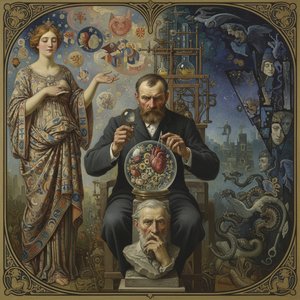 Max Klinger: Symbolism, Science & the Subconscious – A German Master's LegacyExplore the captivating world of Max Klinger, a pivotal German Symbolist artist. Discover his groundbreaking prints, psychological themes, …