

 設置イメージを確認
 送る
送る シェア
シェア
 詳細情報
詳細情報 ガイドを表示

 画像をダウンロード
 似ている作品
 X線調査
X線調査 スライドショー
 統計情報
統計情報Stańczyk
 Oil On Canvas
- WallArt
- Romanticism
 1862
1862- 19th Century
 88.0 x 120.0 cm
 ワルシャワ国立美術館
 続きを読む
続きを読む
手描き油彩複製画
当社のアーティストが、お客様のご希望のサイズと額縁に合わせて、キャンバスに手描きで制作する油彩画です。 ( プリント版に切り替え デジタル画像販売へ切り替え)




P118B ¥10

P118H ¥10

P118W ¥10

P438Z ¥10

P508JH ¥12

P508YH ¥12

P805H ¥10

P805Z ¥10

P919BZ ¥10

P919G ¥10

P919XJ ¥10

P959ZH ¥10

P968JZ ¥12

W106C ¥8

W218G ¥10

W218JH ¥8

W218Y ¥10

W307PJ ¥10

W316G ¥10

W316PJ ¥8

W316Y ¥10

W398PJ ¥8

W4111J ¥10

W500HY ¥15

W500JH ¥15

W692G ¥12

W849H ¥8

W940BG ¥15

W953PJ ¥8




作品のオリジナル比率に合わせた、当店の規定サイズからお選びください。

フレームや壁のスペースに合わせて、ご希望の幅と高さを入力してください。本作品は手描きのため、異なる比率のサイズをご希望の場合、絵画の周囲を少し広げて描くか、あるいは端を少しカットして調整することが可能です。お客様のご要望に合わせます。制作を開始する前に、仕上がりを確認するためのデジタルモックアップをお送りいたします。このページに表示されている画像は完成品の実物ではなく、あくまでモックアップによるイメージです。
ご注文後、OriginalUniqueArt.com チームより詳細な指示をお送りするとともに、仕上がりイメージ(モックアップ)をご提供いたします。


 ガラスオプションは、110cm未満のサイズでのみご利用いただけます。

Stańczyk
再現技法
複製画サイズ一覧
-


合計金額
¥ 47438
A Portrait of Solitude and National Soul
In the quiet, heavy atmosphere of Jan Matejko’s 1862 masterpiece, Stańczyk, one does not merely encounter a portrait, but a profound psychological landscape. The painting presents us with the legendary court jester, not in the midst of a comedic performance or a moment of levity, but captured in a state of deep, melancholic introspection. Seated alone amidst the opulence of a grand interior, his hands are tightly clasped, and his gaze wanders toward an unseen horizon, heavy with the weight of foreknowledge. This is not the face of a fool, but that of a visionary—a man who perceives the gathering shadows of political decline while those around him remain lost in the festivities of the moment.
The composition is a masterclass in Romantic Grandeur, where every element serves to heighten the emotional tension. Matejko utilizes a striking color palette dominated by the vibrant, commanding crimson of Stańczyk’s robe. This deep red acts as the visual heartbeat of the canvas, symbolizing both the resilience of the Polish spirit and the simmering passion of a man burdened by duty. The brilliance of this hue is set against a backdrop of somber, shadowy drapery and muted tones, creating a chiaroscuro effect that pulls the viewer’s eye directly into the sitter's contemplative expression. Through his expert use of impasto, Matejko breathes life into the fabric; the thick, textured layers of paint give the heavy velvet of the cloak a palpable weight, making the physical presence of the figure feel almost overwhelming.
Historical Echoes and Symbolic Depth
To understand Stańczyk is to understand the heartbeat of 19th-century Poland. Painted during a period of profound national mourning following the territorial losses of the Austro-Prussian War, the work serves as a silent, powerful protest. The setting—a scholarly and courtly environment suggested by the presence of manuscripts and fine furniture—contrasts sharply with the internal turmoil of the protagonist. While figures in the distant background appear engaged in the trivialities of social life, Stańczyk remains isolated by his wisdom. He embodies the "intellectual's burden," representing a nation that possesses the dignity and history to endure, yet faces an uncertain, fragmented future.
For the discerning collector or interior designer, this painting offers more than mere decoration; it provides a focal point of intellectual and emotional gravity. The meticulous attention to detail—from the intricate patterns on the floor to the subtle light reflecting off the scholarly documents—makes it an ideal centerpiece for spaces that demand character and narrative depth. Whether placed in a private library or a sophisticated contemporary salon, a high-quality reproduction of this work brings with it an aura of historical importance and a timeless conversation about resilience, wisdom, and the enduring strength of the human spirit.
アーティストについて
幼少期と教育
ヤン・アロジ・マテイコは、1838年6月24日にポーランドのクラクフで生まれました。彼の父、フランチシェク・クサヴェリ・マテイコはチェコ出身の家庭教師であり音楽教師でした。ヤンの幼少期は、1846年のクラクフ革命と1848年のオーストリア軍によるクラクフ包囲によって特徴づけられ、これらの出来事は後に彼の芸術的テーマに影響を与えることになります。マテイコは聖アンナ高校に通いましたが、1851年に成績不振のため中退しました。しかしながら、彼は幼い頃から並外れた芸術的才能を示していました。1852年から1858年までクラクフの美術学校で学び、ヴォイチェフ・コルネリ・スタトラーとヴワディスワフ・ウシュチキエヴィッチのもとで歴史画を専門としました。芸術的キャリア
マテイコの最初の重要な作品であるシュイスキー皇帝のジグムント3世の前は、1853年に完成しました。彼は1855年からクラクフ美術友協会で歴史画を展示し始めました。注目すべき作品には以下が含まれます:- レイタン (1866): ポーランドの歴史における重要な瞬間を描いた大きな油彩作品。
- ルブリン合同 (1869): マテイコの歴史的出来事を捉える能力を示す重要な作品。
- グルンヴァルトの戦い (1878): 戦闘シーンの激しさを伝える彼の能力を強調する傑作。
博物館への貢献と遺産
マテイコは生涯のほとんどをクラクフで過ごし、最終的にはヤン・マテイコ美術アカデミー(旧クラクフ美術アカデミー)の院長となりました。彼の生徒には、マウリチ・ゴットリープ、ヤツェク・マルチェフスキ、ヨゼフ・メホッフェル、スタニスワフ・ヴィスピャンスキなどの著名な画家が含まれています。OriginalUniqueArtで入手可能な注目作品:- ヤン・マテイコ: ヴァルナ (ロマン主義)
- ヤン・マテイコ: 静物画 (ロマン主義)
- ヤン・マテイコ: ルブリン合同 (298 x 512 cm、ロマン主義、油彩)
影響と様式
マテイコの作品はロマン主義運動に属し、ポーランドの歴史と国民意識を強く反映しています。彼は詳細な描写、ドラマチックな構図、そして鮮やかな色彩を用いて、過去の出来事を生き生きと再現しました。彼の絵画は単なる記録ではなく、ポーランドの人々のアイデンティティと精神性を表現するものでした。スタトラーやウシュチキエヴィッチからの影響を受けながらも、マテイコは独自のスタイルを確立し、歴史的テーマに深い感情と叙事詩的なスケールをもたらしました。彼の作品はしばしば愛国心を喚起し、ポーランドの国民的英雄や悲劇的な出来事を称えました。参考文献:
ポーランド国立博物館クラクフの傑作を発見する (wikipedia.org)
ヤン・マテイコ
1838 - 1893 , 日本
アーティスト情報
- Artistic Movement Or Style: ロマン主義
- Artists Or Movements Influenced By This Artist: ['マウリツィ・ゴットリープ']
- Artists Who Influenced This Artist:
- ヴォイチェフ・スタトラー
- ヴワディスワフ・ウシュチキエヴィチ
- Date Of Birth: 1838年6月24日
- Date Of Death: 1893年11月1日
- Full Name: ヤン・マテイコ
- Nationality: ポーランド人
- Notable Artworks (List Of Titles):
- 「グリュンワルドの戦い」
- 「リubin連合」
- Place Of Birth (City And Country): ポーランド、クラクフ
関連記事
Jan Matejko: Historical Narrative & National Identity in 19th-Century Polish Painting
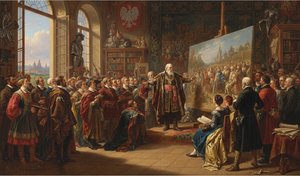
Explore the powerful historical paintings of Jan Matejko, Poland's national artist. Discover his iconic works & learn how he shaped Polish identity in the 19th century. High-quality reproductions available.

Oil on Canvas: A Historical & Technical Exploration of a Timeless Artistic Medium
Explore the rich history & enduring techniques of oil painting on canvas. Discover the science behind its longevity, conservation practices, and contemporary relevance. Expert insights for art enthusiasts.

Crimson Threads of Narrative: Exploring Symbolism & Representation in Artworks Featuring the Red Dress
Explore the rich symbolism of the red dress in art history! From ancient power displays to iconic portraits like Cézanne’s 'Madame Cezanne', discover the cultural and artistic significance behind this captivating color. Expert analysis & insights.

The Enduring Power of Painting: A Historical & Contemporary Exploration of Form and Emotion
Explore the rich history & enduring techniques of oil painting with OriginalUniqueArt. Discover masterpieces, learn about art collecting, and find authentic handmade reproductions crafted by skilled artists.

The Enduring Legacy of Oil on Canvas: Technique, History & Aesthetic Impact
Explore the rich history & techniques of oil painting – from Renaissance masters to Impressionism. Discover pigments, layering methods, and why this timeless medium endures. Expert insights for artists & art enthusiasts.

