メニュー

() ·

A painting made for you, by hand

Operation

手描き油彩複製画

当社のアーティストが、お客様のご希望のサイズと額縁に合わせて、キャンバスに手描きで制作する油彩画です。 ( プリント版に切り替え デジタル画像販売へ切り替え)

コレクション詳細

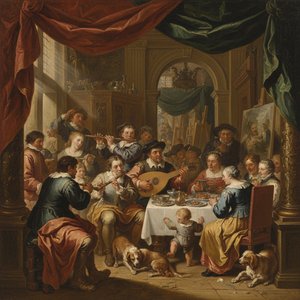
Witness the dramatic genre scene of 'Operation' by Jan Josef Horemans the Elder (1740), capturing 18th-century life with urgent realism; discover this masterpiece today.

アーティストプロフィール

Discover Jan Josef Horemans the Elder’s captivating genre scenes & medical studies! Belgian painter (1682-1759) known for detailed interiors & anatomical precision.

from ·

Chapter 1

How large should it be?

Slide to change the size; the picture on the left shows the frame at its real width. The proportions of the original are kept.

標準サイズ
カスタムサイズ
CM
INCH

作品のオリジナル比率に合わせた、当店の規定サイズからお選びください。

横幅
高さ

フレームや壁のスペースに合わせて、ご希望の幅と高さを入力してください。本作品は手描きのため、異なる比率のサイズをご希望の場合、絵画の周囲を少し広げて描くか、あるいは端を少しカットして調整することが可能です。お客様のご要望に合わせます。制作を開始する前に、仕上がりを確認するためのデジタルモックアップをお送りいたします。このページに表示されている画像は完成品の実物ではなく、あくまでモックアップによるイメージです。

Chapter 2

How should it arrive?

Choose the edges of the stretched canvas

Choose your frame

Corner sample of the WhiteWrap canvas edge finish, stretched on 天然木 bars
White ¥1
Corner sample of the BlurSideWrap canvas edge finish, stretched on 天然木 bars
Blurside ¥1
Corner sample of the ExtendedWrap canvas edge finish, stretched on 天然木 bars
Extended ¥1
Corner sample of the P118B picture frame: 成型ポリスチレン, 5 cm wide and 3 cm thick
P118B ¥10
Corner sample of the P118H picture frame: 成型ポリスチレン, 5 cm wide and 3 cm thick
P118H ¥10
Corner sample of the P118W picture frame: 成型ポリスチレン, 5 cm wide and 3 cm thick
P118W ¥10
Corner sample of the P438Z picture frame: 成型ポリスチレン, 5.5 cm wide and 3.5 cm thick
P438Z ¥10
Corner sample of the P508JH picture frame: 成型ポリスチレン, 7 cm wide and 3.5 cm thick
P508JH ¥12
Corner sample of the P508YH picture frame: 成型ポリスチレン, 7 cm wide and 3.5 cm thick
P508YH ¥12
Corner sample of the P805H picture frame: 成型ポリスチレン, 5 cm wide and 3.5 cm thick
P805H ¥10
Corner sample of the P805Z picture frame: 成型ポリスチレン, 5 cm wide and 3.5 cm thick
P805Z ¥10
Corner sample of the P919BZ picture frame: 成型ポリスチレン, 7 cm wide and 3.5 cm thick
P919BZ ¥10
Corner sample of the P919G picture frame: 成型ポリスチレン, 7 cm wide and 3.5 cm thick
P919G ¥10
Corner sample of the P919XJ picture frame: 成型ポリスチレン, 7 cm wide and 3.5 cm thick
P919XJ ¥10
Corner sample of the P959ZH picture frame: 成型ポリスチレン, 5 cm wide and 3 cm thick
P959ZH ¥10
Corner sample of the P968JZ picture frame: 成型ポリスチレン, 6 cm wide and 4 cm thick
P968JZ ¥12
Corner sample of the W106C picture frame: 天然木, 5 cm wide and 3 cm thick
W106C ¥8
Corner sample of the W218G picture frame: 天然木, 5 cm wide and 3 cm thick
W218G ¥10
Corner sample of the W218JH picture frame: 天然木, 5 cm wide and 3 cm thick
W218JH ¥8
Corner sample of the W218Y picture frame: 天然木, 5 cm wide and 3 cm thick
W218Y ¥10
Corner sample of the W307PJ picture frame: 天然木, 6 cm wide and 3 cm thick
W307PJ ¥10
Corner sample of the W316G picture frame: 天然木, 6 cm wide and 3 cm thick
W316G ¥10
Corner sample of the W316PJ picture frame: 天然木, 6 cm wide and 3 cm thick
W316PJ ¥8
Corner sample of the W316Y picture frame: 天然木, 6 cm wide and 3 cm thick
W316Y ¥10
Corner sample of the W398PJ picture frame: 天然木, 5 cm wide and 3 cm thick
W398PJ ¥8
Corner sample of the W4111J picture frame: 天然木, 6.5 cm wide and 3.5 cm thick
W4111J ¥10
Corner sample of the W500HY picture frame: 天然木, 7 cm wide and 5 cm thick
W500HY ¥15
Corner sample of the W500JH picture frame: 天然木, 7 cm wide and 5 cm thick
W500JH ¥15
Corner sample of the W692G picture frame: 天然木, 8 cm wide and 4 cm thick
W692G ¥12
Corner sample of the W849H picture frame: 天然木, 5 cm wide and 3 cm thick
W849H ¥8
Corner sample of the W940BG picture frame: 天然木, 7.5 cm wide and 4.5 cm thick
W940BG ¥15
Corner sample of the W953PJ picture frame: 天然木, 6 cm wide and 3.5 cm thick
W953PJ ¥8
Corner sample of the H24-GOLD picture frame: ジェッソ仕上げの木彫, 10 cm wide and 6 cm thick
H24-GOLD ¥30
Corner sample of the H24-SILVER picture frame: ジェッソ仕上げの木彫, 10 cm wide and 6 cm thick
H24-SILVER ¥30
Corner sample of the H36-GOLD picture frame: ジェッソ仕上げの木彫, 15 cm wide and 6.5 cm thick
H36-GOLD ¥45
Corner sample of the H36-SILVER picture frame: ジェッソ仕上げの木彫, 15 cm wide and 6.5 cm thick
H36-SILVER ¥45
額縁プレビュー
額装済み

Moulding: . Overall size with the frame: .

Chapter 3

Who paints it, and should anything change?

Examples of what can be changed: Replace face with customer photo; Add pet (e.g., replace cat with dog); Include hidden message in background; Change background landscape or elements.
After order, OriginalUniqueArt.com team will email client for instructions and provide a mockup preview

世界中への配送()は、通常の5週間ではなく、3〜4週間でお届けいたします。(29 10月)。品質には一切妥協いたしません。

Chapter 4

The finishing touches

A nameplate, as in a museum?

刻印入りブロンズプレートの詳細

This elegant plaque features the artist's name and the title of the artwork, finely engraved for a timeless presentation.

It is made from bronze with a refined, elegant finish. The text is precisely laser-engraved for a sharp and permanent result. Measuring 9x2 cm, the plaque is compact yet easy to read. It's built to be durable and scratch-resistant, offering a professional, museum-quality look. Mounting is simple thanks to the included adhesive backing.

透明アクリル銘板の詳細

The plaque includes essential engraved details such as the artist's name, the title of the artwork, the date it was created, the type of media used-like oil on canvas or watercolor-a brief description of the piece, and a QR code that links to the complete artwork information.

It is crafted from clear acrylic, offering a sleek, modern appearance. The text is UV-engraved in black to ensure strong visual contrast. With a size of 10x15 cm, it ensures optimal readability. It comes equipped with two metal hooks for secure wall mounting. The plaque is designed to be weather-resistant, making it suitable for various environments, and it includes interactive features that work seamlessly with smartphone scanning.

黒アクリル製銘板の詳細

This elegant plaque includes engraved information such as the artist's name, the title of the artwork, the date it was created, the type of media used (like oil on canvas or watercolor), a short description of the artwork, and a QR code for quick access to more information.

The plaque itself is made from refined black acrylic with a premium finish. The text is laser-engraved in white for high contrast and readability. Its size is 10x15 cm, designed to be easy to read. It comes with two metal hooks for professional mounting. The design is sleek and fits any interior style. It is also weather-resistant and durable, with built-in digital integration for mobile compatibility.

A protective varnish?

When do you need it?

Chapter 5

Your painting, as you ordered it

Operation

再現技法

複製画サイズ一覧

-

厳選された熟練アーティスト

より細部までこだわった表現、洗練された技術、そして十分な制作時間

-

複製画用額装

-

-

いずれかの辺が105 cm(約41インチ)を超えるアートワークまたは複製画の場合、フレームは分解されたキットの状態でお届けいたします。この方法は、輸送中の破損を防ぎ、安全に配送するために採用しております。

組み立てには専門知識が必要です(DIY用製品ではありません)。
本キットは、経験豊富なプロの額装師が、木工用ボンド(別売)、キャンバス用プライヤー、およびボンドの乾燥時に桟を直角に保持するためのクランプを使用して、組み立ておよびキャンバスの張り作業を行う必要があります。不適切な組み立てやキャンバスの張りの不均一は、作品に永久的な損傷を与える恐れがあり、弊社の保証対象外となります。

  • すべての無垢材のパーツが含まれており、組み立てに最適なサイズに正確にカットされています。

  • 付属のネジを使用し、角の接合部には別途木工用ボンドをご用意ください(ボンドは付属しておりません)。ボンドは額装業者様にてご手配をお願いいたします。

  • プロ仕様の道具が必要ですが、キットには含まれていません:キャンバス用ストレッチングプライヤー(テンショナー)、および接着剤が乾燥するまで木枠を直角に固定するためのクランプ。

重要:
コーナーの接合部には木工用ボンドが必要です。また、ボンドが完全に乾くまでクランプでバーを固定しておく必要があり、組み立てたフレームにキャンバスを張るにはキャンバス用ストレッチングプライヤーが必要となります。これらの道具はキットに含まれておりません。このサイズをご注文される前に、経験豊富なプロの額装師(フライマー)の手配をお願いいたします。

銘板

-

-

保護用ワニス

光沢ワニス(色彩を鮮やかに引き立て、光や湿気から保護します)

-

作品をカスタマイズ

カスタマイズの例:顔をお客様の写真に差し替える、ペットを追加する(例:猫を犬に変更)、背景に隠しメッセージを入れる、背景の風景や要素を変更する。

-

お急ぎ便

世界中への配送()は、通常の5週間ではなく、3〜4週間でお届けいたします。(29 10月)。品質には一切の妥協を許しません。

-

お急ぎ便

世界中への配送()は、5週間ほどでお届けします。(5 11月)。

送料込

合計金額

¥ 47201

合計金額 ¥ 47201

ガラスオプションは、110cm未満のサイズでのみご利用いただけます。

Included with every order

  • 世界中へ無料エクスプレス配送
  • 高品質なリネンキャンバス
  • 配送時完全保険付
  • 関税・輸入税の払い戻し保証
  • 忠実な色彩再現の保証
  • 100日間返品保証(製造上の欠陥がある場合のみ)
  • 100% 全額返金保証
  • まとめ買い割引のご案内

A Glimpse into Domestic Crisis: The Scene of Operation

This evocative painting transports us directly into an intimate moment of profound vulnerability—a domestic scene centered around a medical procedure. One can almost hear the hushed urgency in the air, the collective breath held by those gathered around the prone figure on the floor. The composition is rich with human drama; several figures cluster closely, their gestures suggesting focused concern and practiced activity. Objects scattered within the room—bowls, cups, and the simple presence of a chair—are not mere props but integral components of this narrative tableau. It speaks to a time when medicine was both rudimentary and deeply personal, played out within the confines of a private dwelling.

The Hand of Jan Josef Horemans the Elder

Painted around 1740 by Jan Josef Horemans the Elder, this work places us firmly in the milieu of 18th-century Flemish genre painting. Horemans was renowned for his meticulous chronicling of daily life in Antwerp; he possessed an eye that captured the texture of bourgeois existence with almost photographic precision. His style marries a detailed realism with a subtle Baroque sensibility, allowing him to elevate everyday occurrences into moments imbued with narrative weight. To own a reproduction of this piece is to acquire not just a painting, but a tangible connection to the daily rhythms and anxieties of life in the early 18th century.

Technique and Compositional Drama

Observe the masterful handling of light within the room; it seems to illuminate the critical action while leaving corners steeped in suggestive shadow. Horemans employs a rich palette characteristic of the period, allowing the viewer's eye to wander across the varied textures—the folds of clothing, the sheen on the objects, and the pale skin of the woman at the center. The inclusion of the two birds, one high in the corner and another near the floor, adds an unexpected layer of natural symbolism, perhaps representing life observing humanity’s struggle or simply serving as delicate compositional anchors that draw the eye through the scene.

Symbolism and Emotional Resonance for the Modern Collector

Beyond its historical documentation, this artwork resonates with universal themes: caregiving, fragility, and the human instinct to heal. For the collector or interior designer, it offers a powerful focal point—a piece that commands attention while inviting quiet contemplation. It speaks eloquently of community support during times of crisis. Reproducing such a work allows one to bring an atmosphere of thoughtful drama into a modern space, suggesting depth, history, and the enduring power of human connection.

よくあるご質問

「Operation」の色同士は、どのように調和していますか?

「Operation」の色彩の調和は、Unified Paletteと表現されます。

「Operation」の作者は誰で、どの様式に属していますか?

Jan Josef Horemans The Elderは、Baroqueのムーブメントの中で「Operation」を制作しました。

「Operation」の色彩は、どの程度鮮やかですか?

Jan Josef Horemans The Elder作「Operation」は、彩度Subtle Colorで記録されています。

More about this painting

設置イメージを確認 ARで壁に飾るイメージを見る プリント版に切り替え デジタル画像販売へ切り替え 送る
詳細情報 ガイドを表示 お気に入りに追加 画像をダウンロード 似ている作品 X線調査 スライドショー Q&A 統計情報

In numbers

  • 1740the year it was painted
  • 29frames to choose from
  • standard sizes, in its own proportions
  • 5weeks to paint and deliver it
Jan Josef Horemans The Elder

Jan Josef Horemans The Elder

1682 - 1759, Belgium

Quick facts about Jan Josef Horemans The Elder

  • Full Name: Jan Josef Horemans the Elder
  • Nationality: Flemish
  • Date Of Birth: 1682
  • Date Of Death: 1759
  • Place Of Birth: Antwerp, Belgium
  • Notable Artworks:
    • Operation
    • At the Painter's Studio
    • Operations in a Surgery
  • Artistic Movement Or Style: Genre scenes, portraits
  • Artists Who Influenced This Artist: ['Michiel van der Voort']
  • Artists Or Movements Influenced By This Artist: ['Rubens']

アーティストについて

A Chronicler of Antwerp Life: Jan Josef Horemans the Elder

Jan Josef Horemans the Elder, born in Antwerp in 1682 and passing away in the same city in 1759, stands as a fascinating figure within the tapestry of 18th-century Flemish painting. While not achieving the widespread renown of some contemporaries, his meticulous genre scenes offer an invaluable glimpse into the daily existence of bourgeois life in Antwerp during a period of significant social and economic change. He wasn’t merely recording what he saw; Horemans was crafting narratives, small windows into the habits, anxieties, and quiet dramas unfolding within the homes and streets of his native city. His work provides a unique historical record, painted with a precision that borders on photographic realism yet imbued with a distinctly Baroque sensibility.

Early Life and Artistic Formation

Horemans’s artistic journey began in 1694 when he was registered as an apprentice at the Antwerp Guild of Saint Luke, initially under the tutelage of the sculptor Michiel van der Voort the Elder. This early exposure to sculpture likely instilled a keen understanding of form and three-dimensionality that would later manifest in his carefully constructed compositions. He subsequently moved into the studio of Jan van Pee, where he honed his skills as a painter. In 1706, Horemans achieved master status within the Guild, marking a pivotal moment in his career. A year later, he solidified both his personal and professional life through marriage to Maria Francisca van der Voort, the daughter of his first mentor. This familial connection would prove significant, as his son, Jan Josef Horemans the Younger, also followed in his artistic footsteps, creating a legacy that spanned generations. The elder Horemans’s commitment to his craft was further demonstrated by his role as a teacher, guiding both his younger brother Peter Jacob and his son along their own creative paths.

The World Within Walls: Themes and Style

Horemans carved out a niche for himself with his genre scenes – intimate depictions of everyday life. Unlike the grand historical or religious paintings that dominated much of the artistic landscape, Horemans focused on the domestic sphere. Interiors teeming with activity—families sharing meals, merchants conducting business, children at play—became his signature subject matter. He also ventured into portraiture and allegorical works, but it was in these smaller, anecdotal scenes that his talent truly shone. His style is characterized by a remarkable attention to detail; objects are rendered with painstaking accuracy, fabrics shimmer with texture, and faces convey subtle emotions. However, Horemans’s palette tended towards darker tones—a characteristic that earned him the nicknames “le brun” (the dark one) and “le sombre” (the shadowy one), distinguishing his work from that of his son, who favored a lighter approach. Despite this somewhat somber coloration, his paintings are far from bleak; they possess a lively energy, capturing the bustle and vibrancy of Antwerp life.

Influences and Legacy

While Horemans developed a distinctly personal style, he was undoubtedly influenced by the 17th-century Flemish genre painters who preceded him—artists like Pieter Bruegel the Younger and David Teniers the Younger. He inherited their penchant for detailed observation and narrative storytelling but infused his work with a more refined elegance and a greater emphasis on contemporary subject matter. His paintings reflect a shift in artistic focus, moving away from purely moralistic or allegorical themes towards a more straightforward depiction of everyday reality. The sheer volume of small paintings he produced—often executed as part of larger series—suggests a thriving market for his work among the burgeoning bourgeois class. Horemans’s legacy extends beyond his individual artworks; he is remembered as a leading chronicler of 18th-century Antwerp, providing an invaluable visual record of a society undergoing transformation. His son, Jan Josef Horemans the Younger, continued this tradition, further solidifying the family's place in Flemish artistic history.

Historical Significance and Modern Appreciation

Today, Jan Josef Horemans the Elder is increasingly recognized for his unique contribution to Flemish painting. While he may not be a household name, his work offers a compelling window into a specific time and place—a world of bustling commerce, domestic intimacy, and subtle social dynamics. His paintings are prized by collectors and scholars alike for their meticulous detail, narrative richness, and historical significance. The fact that over 300 artworks attributed to him have appeared at auction speaks to the enduring appeal of his vision. Horemans’s scenes aren't merely decorative; they are social documents, offering insights into the material culture, customs, and values of 18th-century Antwerp. He stands as a testament to the power of genre painting—a reminder that even the most seemingly mundane subjects can reveal profound truths about the human condition. His ability to capture the essence of everyday life with such precision and sensitivity ensures his continued relevance in the world of art history.

作品情報

  • Subject or theme: Medical procedure/Scene
  • Artistic style: Genre Scene
  • Title: Operation

アート・クイズ

各質問の正解は1つだけです。

問題 1:
What is the primary subject matter depicted in the painting 'Operation'?
問題 2:
Who is the artist credited with painting 'Operation'?
問題 3:
Approximately what time period does this artwork date from?
問題 4:
Based on the artist's biography, what type of scenes did Jan Josef Horemans the Elder often depict?
問題 5:
Besides people and objects, what notable details are visible in the scene that add to its atmosphere?