

 設置イメージを確認
 送る
送る シェア
シェア
 詳細情報
詳細情報 ガイドを表示

 画像をダウンロード
 似ている作品
 X線調査
X線調査 スライドショー
 Q&A
Q&A 統計情報
統計情報三連祭壇画、1973年5月-6月 b

 続きを読む
続きを読む
このページに掲載されている作品は著作権法によって保護されており、当社の許可なく同一の複製物を制作または販売することは法律で禁じられています。この保護は、以下のような国際条約に基づき執行されます。 ベルヌ条約 および、以下の条項に定められたものを含む各国の法律により、 米国著作権法 第17編。
敬意を払った法的な代替手段として、私たちはオリジナルにインスピレーションを与えられた、カスタムの手描きアートワークを提供しています。私たちの熟練したプロのアーティストは、元の作品が持つスタイル、情緒、そして芸術的なエッセンスを注意深く研究し、独自の創作物でありながら、同じ感性を呼び起こすような、新しくユニークな作品を作り上げます。
この手法は、著作権で保護された作品の複製や複写を伴わないため、著作権法に完全に準拠しています。これは単なる模倣ではなく、創造的な再解釈です。元の作品からインスピレーションを受けつつも、それとは異なる、全く新しい絵画を生み出すものです。
手描き油彩複製画
当社のアーティストが、お客様のご希望のサイズと額縁に合わせて、キャンバスに手描きで制作する油彩画です。 ( プリント版に切り替え デジタル画像販売へ切り替え)




P118B ¥10

P118H ¥10

P118W ¥10

P438Z ¥10

P508JH ¥12

P508YH ¥12

P805H ¥10

P805Z ¥10

P919BZ ¥10

P919G ¥10

P919XJ ¥10

P959ZH ¥10

P968JZ ¥12

W106C ¥8

W218G ¥10

W218JH ¥8

W218Y ¥10

W307PJ ¥10

W316G ¥10

W316PJ ¥8

W316Y ¥10

W398PJ ¥8

W4111J ¥10

W500HY ¥15

W500JH ¥15

W692G ¥12

W849H ¥8

W940BG ¥15

W953PJ ¥8




作品のオリジナル比率に合わせた、当店の規定サイズからお選びください。

フレームや壁のスペースに合わせて、ご希望の幅と高さを入力してください。本作品は手描きのため、異なる比率のサイズをご希望の場合、絵画の周囲を少し広げて描くか、あるいは端を少しカットして調整することが可能です。お客様のご要望に合わせます。制作を開始する前に、仕上がりを確認するためのデジタルモックアップをお送りいたします。このページに表示されている画像は完成品の実物ではなく、あくまでモックアップによるイメージです。
ご注文後、OriginalUniqueArt.com チームより詳細な指示をお送りするとともに、仕上がりイメージ(モックアップ)をご提供いたします。


 ガラスオプションは、110cm未満のサイズでのみご利用いただけます。

三連祭壇画、1973年5月-6月 b
再現技法
複製画サイズ一覧
-


合計金額
¥ 47215
A Vision of Grief and Isolation: Examining Francis Bacon’s ‘Triptych, May-June 1973’
Francis Bacon's 'Triptych, May-June 1973,' housed in the Tate Modern collection, stands as a monumental testament to the artist’s unflinching exploration of human emotion—specifically grief and isolation. Completed in 1973, shortly after Jessie Lightfoot’s death, it represents arguably Bacon's most emotionally resonant work, capturing a profound sense of despair within its unsettling visual language. The triptych is comprised of three canvases joined horizontally, each depicting a figure contorted in agony—a man with his head bowed downwards, a woman with her torso turned away from the viewer, and a shadowy form seemingly emerging from a doorway. These figures are rendered in thick, viscous oil paint, employing Bacon’s signature technique of layering brushstrokes to create an almost sculptural surface texture. The palette is dominated by deep reds—particularly crimson—which pulsate with visceral energy and symbolize blood, pain, and vulnerability.- Style: Expressionist – Bacon eschewed representational accuracy in favor of conveying subjective experience, prioritizing emotional intensity over visual realism.
- Technique: Thick Impasto – Bacon’s masterful use of impasto—applying paint thickly onto the canvas—creates a palpable physicality that mirrors the psychological torment depicted within the artwork. The textured surface invites contemplation and emphasizes the artist's deliberate manipulation of materiality.
- Symbolism: The Red Walls – Bacon’s use of red walls symbolizes confinement and repression, mirroring the psychological imprisonment experienced by the figures within the canvases.
- Doorways: Recurring doorways represent transitions—both physical and metaphorical—suggesting a yearning for escape from pain and isolation but ultimately highlighting the inescapable reality of suffering.
Exploring the Visceral Landscape: Bacon’s Influence on Modern Art
Francis Bacon's groundbreaking approach to painting—characterized by his rejection of traditional conventions and his unwavering commitment to emotional expression—established him as a pivotal figure in the development of modern art. Prior to Bacon, artists largely adhered to academic standards of representation, prioritizing accuracy over feeling; Bacon decisively shattered these boundaries, ushering in an era where subjective experience reigned supreme. His influence extends far beyond his own canvases, shaping the artistic sensibilities of subsequent generations and inspiring countless artists to embrace experimentation and vulnerability.- Key Innovations: Bacon’s technique of layering impasto—creating textured surfaces through thick applications of paint—challenged established methods and paved the way for new approaches to materiality.
- Conceptual Shift: He fundamentally altered artistic thinking by prioritizing psychological exploration over visual realism, demonstrating that art could convey profound emotion without resorting to literal depiction.
The Legacy of Isolation: Bacon’s Enduring Relevance Today
Despite being created over fifty years ago, ‘Triptych, May-June 1973,’ and Bacon's broader artistic vision retain an astonishing degree of relevance in contemporary art discourse. The themes explored within the triptych—grief, isolation, vulnerability—remain profoundly resonant with audiences grappling with anxieties about identity, connection, and mortality in an increasingly fragmented world. Bacon’s uncompromising honesty—his refusal to sugarcoat difficult truths—continues to inspire artists who strive for authenticity and emotional depth.- Contemporary Resonance: The exploration of psychological trauma and the depiction of distorted figures speaks directly to anxieties prevalent in contemporary society regarding mental health and societal pressures.
- Artistic Inspiration: Bacon’s influence can be seen in the work of numerous artists who embrace experimentation, challenge conventions, and prioritize emotional expression—demonstrating the enduring power of his artistic legacy.
A Masterpiece Revisited: Examining Bacon’s Technique Through Time
Analyzing Bacon's technique reveals a remarkable consistency across his oeuvre—a dedication to layering impasto, manipulating color palettes, and employing symbolic imagery that transcends stylistic trends. The meticulous attention to detail—the painstaking creation of textured surfaces and the deliberate positioning of figures within complex compositions—underscores Bacon’s unwavering commitment to artistic excellence. Studying ‘Triptych, May-June 1973,’ alongside his other seminal works—such as ‘Three Studies After Lucian Freud’—provides invaluable insight into the artist's stylistic evolution and reveals recurring motifs that define his distinctive visual language.- Recurring Motifs: The use of distorted figures, fragmented landscapes, and symbolic doorways—elements found throughout Bacon’s paintings—demonstrates a deliberate artistic strategy aimed at conveying psychological anguish.
- Influence on Subsequent Artists: Bacon's technique has served as inspiration for countless artists who strive to achieve textural richness and emotional intensity—solidifying his position as a foundational figure in modern art history.
Where to Find Authentic Reproductions: Bringing Bacon’s Vision Home
Collectors and interior designers seeking to experience the visceral beauty of Francis Bacon's art can find high-quality reproductions at reputable art dealers and online platforms like OriginalUniqueArt.com. Selecting a museum-grade print—produced using archival inks on premium canvas—ensures that the artwork retains its vibrancy and integrity for generations to come. Consider framing options that complement the painting’s mood—dark wood frames enhance the dramatic atmosphere of ‘Triptych, May-June 1973,’ while lighter tones offer a subtle contrast to the intense reds and textures of the canvas. Explore OriginalUniqueArt.com's extensive collection for stunning prints and canvases – discover the transformative power of Bacon’s art in your home!よくあるご質問
フランシス・ベーコン作「三連祭壇画、1973年5月-6月 b」はどのような種類の作品ですか?
カタログ内では、フランシス・ベーコン作「三連祭壇画、1973年5月-6月 b」はウォールアートとして分類されています。このカテゴリーを活用することで、類似の作品を探すことができます。
フランシス・ベーコン作「三連祭壇画、1973年5月-6月 b」は、明るい印象の作品ですか、それとも暗い印象の作品ですか?
フランシス・ベーコン作「三連祭壇画、1973年5月-6月 b」 の記録された数値は、明度 深い陰影、輝度 柔らかな影 です。
「三連祭壇画、1973年5月-6月 b」は、フランシス・ベーコンの通常の作風を代表するものと言えるでしょうか?
フランシス・ベーコンの記録されたテーマである心理的ホラー, シュルレアリスムの残響, 実存的不安, トラウマの反映, ベーコンの遺産の中でも、「三連祭壇画、1973年5月-6月 b」は痛み, 悲嘆, 孤独, 暗闇, トラウマ, 解剖学, 象徴主義に独自の焦点を当てています。
アーティストについて
激動の時代を映し出す魂:フランシス・ベーコンの世界
フランシス・ベーコン。その名は、20世紀美術における感情の奔流、人間の内面の深淵を覗き込むような作品群と切り離すことはできないでしょう。1909年、アイルランドのダブリンで生まれ、イギリスで芸術家としての道を歩んだベーコンは、伝統的な絵画表現を打ち破り、激しい感情と存在不安を具現化した独自のスタイルを確立しました。彼の作品は、見る者に強烈な衝撃を与え、人間の本質に深く問いかける力を持っています。幼少期をアイルランドとイングランドの間で過ごしたベーコンは、不安定な家庭環境の中で、自身のアイデンティティを模索し続けたと言われています。競馬やギャンブルといった放浪生活を送る中で、彼は社会の暗部や人間の脆弱性を目の当たりにし、それが後の作品に深く影響を与えたのでしょう。正式な美術教育を受けたわけではありませんが、パブロ・ピカソの形態変形、エゴン・シーレの表現主義的な人間描写、そしてセルゲイ・エイゼンシュテイン監督の映画『戦艦ポテムキン』における人間の苦悶を象徴する顔のクローズアップなど、様々な芸術作品からインスピレーションを得て、独自の視覚言語を構築していきました。苦悩と孤独が織りなす表現:ベーコンの画風
ベーコンの絵画は、しばしば歪んだ人体、閉塞的な空間、そして強烈な色彩によって特徴づけられます。彼の作品に登場する人物たちは、まるで檻の中に閉じ込められたかのように、孤立し、苦悩を抱えています。それは、人間の存在そのものが持つ脆弱性、孤独感、そして死の不可避性を表現しているかのようです。『三位一体像』(1944年)は、ベーコンの画風を決定づけた重要な作品として知られています。十字架の下に横たわる人物たちは、宗教的な殉教者ではなく、人間の苦しみそのものを象徴する存在として描かれています。彼らの肉体は歪み、断片化され、背景となる空間は狭く閉塞的です。ベーコンは、伝統的な絵画における美の概念を完全に否定し、人間の内面に潜む暗い感情を赤裸々に表現することで、見る者に強烈な衝撃を与えました。また、彼はしばしばヴェロネーゼの『インノケンツ10世教皇の肖像』をモチーフに、自身の作品を制作しました。しかし、ベーコンの手による教皇の姿は、威厳と権力を象徴するものではなく、絶望と狂気を孕んだ叫び声を上げる存在へと変貌しています。生と死、愛と憎しみ:ベーコンのテーマ
ベーコンの作品には、人間の生と死、愛と憎しみといった普遍的なテーマが繰り返し登場します。彼の描く肖像画は、単なる外見の再現ではなく、被写体の内面を深く掘り下げた心理描写として評価されています。特に、恋人であったジョージ・ダイアーの姿を描いた作品群は、二人の複雑な関係性、そしてその悲劇的な結末を暗示しているかのようです。ベーコンは、自身の作品を通して、人間の存在に内在する苦悩や不安を表現することで、見る者に自己の内面と向き合うことを促しました。彼の作品は、決して安易な慰めを与えるものではありませんが、人間の本質に深く触れることで、新たな気づきを与えてくれるでしょう。現代美術への影響:ベーコンの遺産
フランシス・ベーコンは、20世紀を代表する表現主義者の一人として、その後の現代美術に多大な影響を与えました。彼の作品は、抽象表現主義やポップアートといった様々な芸術運動に影響を与え、多くのアーティストにインスピレーションを与え続けています。また、彼の絵画における人間の内面への探求は、心理学や哲学といった分野にも影響を与え、人間の精神世界に対する理解を深める一助となっています。ベーコンの作品は、オークション市場においても高値で取引され、その芸術的価値と歴史的重要性を示しています。今日に至るまで、彼の作品は世界中の美術館に収蔵され、多くの人々に感動を与え続けています。フランシス・ベーコンは、人間の本質を深く探求し、激しい感情を具現化した作品を通して、現代美術の新たな地平を切り開いた偉大な芸術家であると言えるでしょう。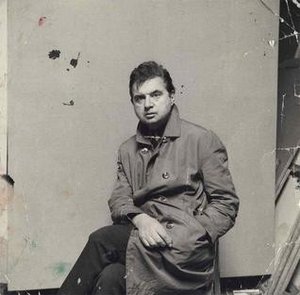
フランシス・ベーコン
1909 - 1992 , アイルランド
アーティスト情報
- フルネーム: フランシス・ベーコン
- 主な作品:
- Three Studies...
- Pope series
- George Dyer portrait
- 出生地: ダブリン、アイルランド
- 国籍: アイルランド系イギリス人
- 影響を与えたアーティスト: ['戦後表現主義']
- 影響を受けたアーティスト:
- パブロ・ピカソ
- エゴン・シーレ
- 死亡年月日: 1992年4月26日
- 生年月日: 1909年10月28日
- 芸術運動またはスタイル: 表現主義
関連記事

Surrealist Expressionism: A Definitive Guide to the Intersection of Dream Logic and Raw Emotion
Explore the profound history of Surrealist Expressionism. Discover how artists blended dream logic with raw emotion to navigate post-war trauma through masterful, evocative imagery and psychological depth.
フランシス・ベーコン傑作25選:魂を揺さぶる絵画の世界 | OriginalUniqueArt
フランシス・ベーコンの傑作25選。魂を揺さぶる表現主義絵画の世界へ。人物画、三面図、ポープ・インノケンティウス10世など、美術史に残る名作をOriginalUniqueArtで高精細複製画としてご紹介。インテリアに深みと個性を。今すぐコレクションをご覧ください。

Surrealist Expressionism: A Visual Journey Through Dream Logic and Raw Emotion
Dive into the visceral world of Surrealist Expressionism. Explore how dream logic meets raw emotion through a visual journey of iconic techniques, post-war history, and bold aesthetics to transform your modern space with high-impact, unforgettable art.

Crimson Threads of Narrative: Exploring Symbolism & Representation in Artworks Featuring the Red Dress
Explore the rich symbolism of the red dress in art history! From ancient power displays to iconic portraits like Cézanne’s 'Madame Cezanne', discover the cultural and artistic significance behind this captivating color. Expert analysis & insights.
Beyond Reality: The Dreamlike Power of Surrealist Expressionism and the Subconscious Mind
Explore the profound depths of Surrealist Expressionism. Discover how masters like Dalí used dream logic and subconscious imagery to redefine reality through emotionally resonant, museum-quality art.


