Flemish Baroque · 1649
Falconry (ジャック・ダールトワ, 1649)
ジャック・ダールトワ (1613–1686)による作品『Falconry』 制作年は1649年です。 Flemish Baroque運動に属しています。 Oil On Canvasで制作されています。 ミュンヘン, ドイツのバイエルン州立絵画コレクションに所蔵されています。 サイズは135 × 206 cmです。
- 1649
- Oil On Canvas
- 135 × 206 cm
- バイエルン州立絵画コレクション, ミュンヘン

 設置イメージを表示

 手描き油彩画
 シェアする
 シェアする
 解説シート


 ダウンロード
 似ている作品
 X線調査
 スライドショーを表示
 Q&A

 統計情報
Falconryの概要
- 作品名
- Falconry
- 作家
- ジャック・ダールトワ (1613–1686)
- 生年
- ブリュッセル, ベルギー
- 制作年
- 1649
- 技法
- Oil On Canvas
- サイズ
- 135 × 206 cm
- 展示場所
- バイエルン州立絵画コレクション, ミュンヘン, ドイツ
- 制作年代
- Early Modern
- 主題
- people, horse, tree, forest, sky, landscape
Falconryには何が描かれていますか?
The Depiction of Falconry by Jacques D' Arthois
In Falconry by Jacques D' Arthois, a classical hunting scene unfolds within a dense, shadowed woodland. The air feels heavy with the anticipation of the chase as figures on horseback and on foot move through a clearing. They push toward a distant landscape, their presence cutting through the thick vegetation. This moment captures the very essence of the pursuit, where the stillness of the forest meets the sudden movement of the hunt. It is a scene that speaks to the ancient connection between nobility and the wild, placing the viewer directly into the heart of the action.
Painted about 1649, the work focuses on the tension inherent in the hunt. The figures navigate the undulating terrain, their forms silhouetted against the light of the clearing. There is a sense of purpose in their movement, a drive that mirrors the natural instincts of the animals involved. The landscape itself seems to participate in the drama, with overhanging trees framing the central activity and directing the eye toward the unfolding event. Nature is not merely a backdrop here; it is an active participant in the pursuit, providing both the stage and the obstacles for the hunters.
The subject matter reaches beyond a simple depiction of sport to touch upon deeper themes of nature and the structured life of the nobility. Every movement in the clearing suggests a world governed by the rules of the hunt and the rhythms of the forest. As the figures advance, the tension of the chase lingers in the air, leaving one to wonder what lies just beyond the next thicket of trees. The scene remains suspended in this state of motion, caught between the quiet of the woods and the sudden energy of the hunt.
Composition and Visual Elements of the Work
The scene unfolds within a dramatic, large-scale landscape where the eye is immediately drawn into the heart of the woods. Massive, dark trees overhang the foreground on both the left and right sides, acting as a natural frame that pushes the viewer's gaze toward the center of the action. These heavy, shadowed branches create a sense of enclosure, making the clearing ahead feel like a stage set for the hunt. In the mid-ground, the stillness of the forest is broken by a group of figures moving through the light. Some ride upon horseback while others travel on foot, all navigating the undulating terrain as they push toward the horizon.
A monochromatic palette of grayscale tones defines the entire vista, stripping away color to focus entirely on the interplay of light and shadow. The light descends from the upper center, casting long, sweeping shadows across the forest floor and highlighting the movement of the hunters. This celestial glow creates a profound sense of depth through atmospheric perspective. As the eye travels toward the background, the distant hills and trees lose their sharp edges, becoming lighter and increasingly less detailed as they recede into the misty distance.
Technique and Material Composition
The scene unfolds through the medium of oil on canvas, where every stroke works to build a sense of tangible reality. The artist employs chiaroscuro to manipulate light and shadow, casting deep, dark tones into the recesses of the foliage to create a profound sense of volume and drama. This interplay of light and dark guides the eye through the woodland, making the figures and the terrain feel heavy and present within the space.
Fine brushwork brings a remarkable level of detail to the surface, allowing the viewer to feel the textures of the natural world. The rough, rugged bark of the overhanging trees in the foreground contrasts sharply with the soft, billowing forms of the clouds drifting through the sky. Even the distant hills benefit from this meticulous application, as atmospheric perspective lightens the landscape to suggest a vast, receding distance. Every element, from the organic curves of the tree trunks to the undulating earth, is rendered with a precision that breathes life into the monochromatic landscape.
The Artistic Style of Jacques D' Arthois
The brushstrokes reveal a man deeply attuned to the quiet rhythms of the forest. In this work, the landscape does not merely exist; it breathes with an idealized harmony that seeks to find peace within the wild. The woods around Brussels provide the essential soul for such scenes, offering a lush, verdant stage where nature feels both untamed and perfectly balanced. Every thicket and clearing seems to hold a sense of stillness, as if the world has paused to observe the movement of the hunt.
A particular mastery emerges in the way the light clings to the organic textures of the woodland. The tree trunks, heavy and ancient, are rendered with a tactile precision that invites the eye to wander over every ridge of bark. There is a specific, delicate skill in the way moss and ivy cling to these wooden pillars, adding layers of life to the stationary giants. These creeping greens and soft textures create a sense of depth, making the forest feel like a living, breathing entity rather than a mere backdrop for the figures passing through it.
The composition relies on a careful interplay between the dense, shadowed foliage of the foreground and the lighter, more open spaces of the mid-ground. This creates a natural rhythm that guides the eye through the thickets. The figures move through the clearing not as intruders, but as part of a larger, harmonious cycle of life. The interplay of light and shadow gives the scene a weight and volume that makes the atmosphere feel palpable, as if the very air of the Belgian countryside is caught within the frame.
The Artistic Influence and Legacy of D' Arthois
The echoes of his brushwork ripple through the history of Flemish landscape painting. As one of the few landscape painters from Brussels during the 17th century, he holds a singular position in the artistic landscape of his time. His presence in the art world is felt through the many hands that seek to replicate his vision. His style is not a solitary note but a melody that many other landscape artists choose to follow, imitating his specific approach to the natural world. This imitation ensures that his aesthetic remains a recurring theme in the evolution of the genre.
His fame does not fade with the passing of centuries. Instead, his reputation remains remembered, a lingering presence in the annals of art history. The way he captures the essence of the woods and the movement of figures creates a standard that others strive to meet. His influence is a quiet, persistent force, shaping how subsequent generations perceive the interplay of light and shadow within a wooded setting. He remains a vital link in the development of the Flemish tradition, leaving a mark that continues to be recognized long after his era has passed.
Falconryは、どの美術館に所蔵されていますか?
バイエルン州立絵画コレクション
ミュンヘン, ドイツ
バイエルン州立絵画コレクションが紡ぐ遺産 ドイツ・ミュンヘンに居を構えるバイエルン州立絵画コレクションは、1799年に中央絵画館局(Centralgemäldegaleriedirektion)としてその歴史の幕を開けました。この礎が築かれたことで、ヨーロッパ美術を保存するための強固な枠組みが確立され、今日に至るまでミュンヘンという都市の文化的景観を形作る重要な役割を担い続けています。そのコレクションの起源は16世紀にまで遡り、ヴィルヘルム4世の時代(1508-1550年)にまで及ぶ極めて重要な作品群を今に伝えています。 この機関が管理する膨大な至宝は、約25,000点にも及びます。その目覚ましいアーカイブは、単に物理的なギャラリーの中に留まるものではありません。デジタルという新たな扉を通じて、バイエルン全域、そしてヨーロッパ全土を網羅する25,000点以上のオンラインコレクションへとアクセスすることが可能です。この圧倒的な広がりこそが、異なる時代や地域を越えて、芸術がいかに変遷を遂げてきたかという歩みを、絶え間なく探求することを可能にしているのです。 所蔵される作品の領域は、ルネサンスから現代的な表現に至るまで、多種多様な芸術運動と時代を鮮やかに網羅しています。これら多様な資産を継承し続けることで、この機関はヨーロッパ美術史の研究における中心的な拠点として、また地域が生み出した創造的な成果を守り伝える守護者として、その使命を果たしています。建築の至宝と美術館の構造 バイエルン州立絵画コレクションの建築的アイデンティティは、19世紀の古典主義からコンテンポラリー・デザインへと至る、美学の変遷によって形作られています。そのアンサンブルの中心的な柱として君臨するのが、1826年にバイエルン王ルートヴィヒ1世のためにレオ・フォン・クレンツェによって設計されたアルテ・ピナコテークです。王室のコレクションを収めるために特別に建設されたこの建築物は、1836年に一般公開されました。第二次世界大戦の戦火によって建物は大きな被害を受けたものの、1950年代後半に再建され、再びその輝きを取り戻しました。 コレクションは、それぞれ異なる趣を持つ複数の空間に分かれて展開されています。1981年、ノイエ・ピナコテークは建築家アレクサンダー・フライヘア・フォン・ブランカが設計したポストモダン建築のセンターへと移転しました。この空間は、そこに展示される19世紀の作品群に対し、それまでとは異なる空間的な論理を与えています。対照的に、ピナコテーク・デア・モデルネはガラスと鉄鋼で構成された構造を持ち、現代的なコレクションにふさわしいモダンな美学を体現しています。アルテ・ピナコテークの至宝 アルテ・ピナコテークは、バイエルン州立絵画コレクションの鼓動とも言える存在です。そのコレクションは、おおよそ1400年から1490年にかけてのプロト・ルネサンスから初期イタリア・ルネサンス、そしてその後のヨーロッパ美術の発展に至るまで、深い歴史的連続性を映し出しています。ここには、シュテファン・ロルヒナー、アンソニー・ヴァン・ダイク、そしてヤコブ・ヨルダエンスといった巨匠たちによる重要な作品が収められています。これらの傑作は、それぞれの時代における技法や様式の変遷、そして芸術家たちが追求した美の優先順位を雄弁に物語っています。 このコレクションが歩んできた軌跡は、建物そのものの歴史とも重なります。第二次世界大戦による甚大な被害を乗り越え、1950年代後半に再建された建物は、作品を慈しみ守るための器として再びその姿を現しました。現在の展示構成は、絵画という芸術が歴史の荒波の中でどのように進化を遂げてきたのかを、時を遡るように直接的に辿ることを可能にしています。ノイエ・ピナコテークとシャック・コレクション 1915年よりバイエルン州の所有となったノイエ・ピナコテークは、時代の変遷を鮮やかに映し出す鏡のような存在です。ここにはフリードリヒ・オーバーベックによる約50点を含む、約400点の絵画が収蔵されています。このギャラリーが描き出すのは、19世紀という激動の時代における芸術的表現の変容です。急速に進む社会の変化と、それに呼応するように生まれ変わる様式のうねりを、作品たちは静かに、しかし力強く物語っています。 一方、シャック・コレクションは、ドイツロマン主義絵画の深淵へと誘う特別な空間です。このコレクションの礎を築いたのは、1894年に世を去るまで、当時の現代画家による約200点の作品と、巨匠たちの傑作を模した約80点の複製画を収集したアドルフ・フリードリヒ・グラーフ・フォン・シャックでした。彼の審美眼によって選ばれた作品群は、当時の主流であったリアリズムとは対照的な、詩的な精神性を際立たせるように精緻に構成されています。 シャック・コレクションの至宝には、この運動を象徴する重要な芸術家たちの魂が宿っています。その代表的な顔ぶれは以下の通りです。 モーリッツ・フォン・シュヴィント アンセルム・フォイアーバッハ アルノルト・ベックリン 倫理的な管理と来歴調査への献身 バイエルン州立絵画コレクションは、作品の来歴(プロヴェナンス)調査に対して、極めて厳格な姿勢を貫いています。この機関とその所蔵品が歩んできた歴史は複雑に絡み合っており、美術館は各コレクションの起源を解明するために、絶え間ない調査を続けています。こうした取り組みは、文化的な記憶の守護者としての美術館の責務において、欠かすことのできない重要なプロセスなのです。特に、作品の返還や歴史的な所有権の調査においては、透明性の確保が最優先事項として掲げられています。 2023年からは、1945年より前に制作された古典的な近代美術について、その来歴情報をオンラインで公開する取り組みを開始しました。このデジタル化による情報の公開は、1933年以降にアートマーケットや個人コレクションから取得された作品に対し、より詳細な検証を可能にしました。こうした措置は、美術館が抱える歴史的課題に向き合うための広範な取り組みの一環です。そこには、1945年に連合国軍によってハウス・デア・クンストで発見され、その後中央収集所に登録された211点もの作品の歴史も含まれています。 美術館は、多様な出自を持つ約1,000点に及ぶ寄託品を含む、多種多様な所蔵品を管理し続けています。これらには、アルシス通り10番地のバイエルン州立絵画コレクションのデポ(収蔵庫)に保管されている作品も含まれます。現在も進行中の研究は、歴史的な不当な扱いを受けた芸術品を特定し、返還するという道徳的な義務を、この機関が果たし続けるための確かな礎となっています。至高の傑作と記憶に刻まれる名品たち このコレクションには、ヨーロッパ美術の特定の時代を定義づける、魂を揺さぶるような作品たちが息づいています。アルテ・ピナコテークの静謐な空間では、アルブレヒト・デューラーが描き出した緻密な細部へのこだわりと、揺るぎない信仰心が今もなお鮮やかに保存されています。そのすぐ傍らでは、レンブラント・ファン・レインの肖像画が、光と影の劇的な相互作用を操り、見る者の視線を釘付けにします。これらの作品は、この美術館が誇る至宝の核心である、卓越した技術的精度と深い感情の機微を象徴しています。 また、カスパー・ダーヴィト・フリードリヒが描く風景画は、自然界への畏怖を投影し、深い憧憬と内省の感覚を呼び起こします。こうした内省的な質は、ギャラリーに並ぶポスト印象派の作品群とは鮮やかな対照をなしています。その代表的なものとして、1890年にフィンセント・ウィレム・ファン・ゴッホによって描かれたオーヴェールの平原が挙げられ、ミュンヘンの至宝として今なお重要な位置を占めています。 アンナ・マリア・ヴァーザとヴワディスワフ・ヴァーザのミニアチュール(1598年頃) - マルチン・コーバー ジグムント・ヴァーザとアンナ・ハプスブルクのミニアチュール(1598年頃) - マルチン・コーバー
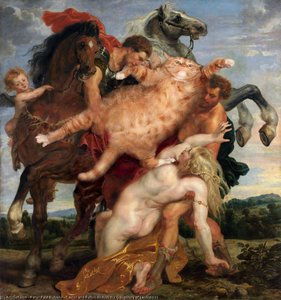


Falconryの高解像度画像

ジャック・ダールトワ, Falconry (1649), バイエルン州立絵画コレクション. パブリックドメイン
Falconryに関するよくあるご質問
「Falconry」の原画は、どの美術館に収蔵されていますか?
ジャック・ダールトワ作「Falconry」はバイエルン州立絵画コレクション, ミュンヘン, ドイツに展示されています。なお、美術館の掲載情報は複製画ではなく、原画に関するものです。
ジャック・ダールトワ作「Falconry」の制作年はいつですか?
ジャック・ダールトワ作「Falconry」の制作年は1649年です。
ジャック・ダールトワ作「Falconry」 の技法(画材)は何ですか?
ジャック・ダールトワは、「Falconry」においてOil On Canvasの技法を用いています。この技法が、原画の素材としての性質を決定づけています。
原画のジャック・ダールトワ作「Falconry」のサイズ(寸法)を教えてください。
ジャック・ダールトワ作「Falconry」の記録されている寸法は135.0 x 206.0cmです。複製画は、比率を維持したまま他のサイズで注文することが可能です。
「Falconry」はどのような内容の作品ですか?
「Falconry」に描かれている主題はpeople, horse, tree, forest, sky, landscape, cloudsです。
「Falconry」はパブリックドメインですか?
ジャック・ダールトワ作「Falconry」 の著作権について:本作品はパブリックドメイン(著作権消滅)です。これにより、画像の複製が自由に行えるかどうかが決まります。
「Falconry」の作者は?
「Falconry」の作者はジャック・ダールトワとされています。
ジャック・ダールトワ作「Falconry」は、どの芸術運動に属していますか?
ジャック・ダールトワ作「Falconry」に関連する芸術運動はFlemish Baroqueです。この分類により、本作は関連する他の芸術家や作品群の中に位置づけられます。
「Falconry」は、ジャック・ダールトワのキャリアにおけるどの時期の作品でしょうか?
「Falconry」は、ジャック・ダールトワのMature Periodを象徴する作品です。
アーティスト ジャック・ダールトワ について

1613–1686, ベルギー
ジャック・ダールトワ
A Brussels Master of Woodland Scenes: The Life and Art of Jacques d’Arthois Jacques d'Arthois, born in Brussels in 1613, emerged during a vibrant period for Flemish art—a time when landscape painting was steadily gaining prominence alongside the established traditions of portraiture and history. While not as widely celebrated as some of his contemporaries, d’Arthois carved out a significant niche for himself with his meticulously detailed depictions of wooded landscapes populated by figures engaged in everyday life or pastoral pursuits. His career unfolded against a backdrop of political and religious upheaval, yet he managed to cultivate a consistent style that resonated with patrons seeking both beauty and tranquility in their surroundings. Apprenticed to Jan Mertens in 1625, the specifics of his early training remain somewhat obscure; however, it’s clear that d'Arthois quickly developed an affinity for rendering the natural world with remarkable precision.
ジャック・ダールトワのその他の作品
 Family Group in a Landscape1645
 Extensive forest landscape with St. Stanisław Kostka1665
 Landscape with Entrance to a Forrest1650
 The Ford in the Forest1660

Falconryに関するエッセイ
 Masterpieces of Hugo van der Goes: The Top 25 Essential ArtworksExplore the top 25 masterpieces by Hugo van der Goes. Discover Flemish Realism icons and explore the full collection online at OriginalUniq…
 Masterpieces of Nature: The Top 25 Charles-François Daubigny ArtworksExplore 25 iconic works by Charles-François Daubigny. Discover Barbizon School masterpieces on OriginalUniqueArt.com.
 French Barbizon paintersMasterpieces by Théodore Rousseau and Daubigny define the Barbizon School. Explore the full collection online at OriginalUniqueArt.com.