American Realism
Intermission (small) (エドワード・ホッパー)
エドワード・ホッパー (1882–1967)による作品『Intermission (small)』 American Realism運動に属しています。 Acrylic On Canvasで制作されています。
- Acrylic On Canvas

 設置イメージを表示

 手描き油彩画
 シェアする
 シェアする
 解説シート


 ダウンロード
 似ている作品
 X線調査
 スライドショーを表示
 Q&A

 統計情報
Intermission (small)の概要
- 作品名
- Intermission (small)
- 作家
- エドワード・ホッパー (1882–1967)
- 生年
- アッパー・ナイアック, アメリカ合衆国
- 技法
- Acrylic On Canvas
- 主題
- theater, isolation, loneliness, woman, interior, light
Intermission (small)には何が描かれていますか?
Edward Hopper’s Solitary Stage: Unpacking “Intermission”
Edward Hopper's "Intermission" (1963) isn’t merely a painting; it’s a distilled moment of American solitude, a poignant tableau captured with the artist’s signature mastery of light and shadow. Completed in the twilight years of his career, this work represents a culmination of Hopper’s lifelong fascination with theater and urban life—a subject that consistently explored themes of isolation, detachment, and the quiet dramas unfolding within everyday spaces. The painting depicts a woman seated alone in an empty theater, bathed in the cool, diffused light of the house lights, suggesting a pause between acts, a moment of reflection before returning to the performance. It’s a scene both familiar and profoundly unsettling, instantly transporting the viewer into Hopper's carefully constructed world of understated emotion. The deliberate simplicity of the composition—the woman, the seats, the darkened stage—amplifies the sense of loneliness, creating an atmosphere that lingers long after the eye has moved on.A Masterclass in Realist Light and Composition
Hopper’s technical skill is immediately apparent in "Intermission." He employs a restrained palette – primarily blues, greens, and browns – to create a mood of quiet melancholy. The use of light is particularly striking; it doesn't illuminate the scene with warmth or vibrancy but rather casts long shadows, emphasizing the emptiness and highlighting the woman’s isolation. Notice how Hopper uses directional lighting to sculpt the space, drawing attention to the architectural details of the theater while simultaneously obscuring any sense of depth or perspective. The composition itself is carefully balanced—the woman occupies a central position, yet she feels utterly detached from her surroundings. The diagonal lines created by the rows of seats and the stage wall subtly guide the viewer’s eye through the scene, reinforcing the feeling of being an observer rather than a participant. The painting's dimensions – 40 x 60 inches – contribute to its impact, allowing Hopper to render intricate details with precision while maintaining a sense of scale that anchors the subject within a recognizable space.Symbolism and the American Psyche
“Intermission” resonates deeply because it taps into a fundamental aspect of the American experience: the feeling of being alone in a crowd. The theater, traditionally a place of communal engagement, becomes here a stage for individual contemplation. Hopper’s choice to depict a woman—a figure often associated with domesticity and social roles—in this solitary state is particularly significant. It speaks to the changing role of women in American society during his time, as well as the broader anxieties about identity and belonging that characterized the mid-20th century. The closed curtain and darkened exit door further reinforce the sense of being trapped or suspended in a moment of uncertainty. Some art historians interpret this image as reflecting Hopper’s own feelings of alienation and detachment, while others see it as a more generalized representation of the human condition—a recognition that even within moments of shared experience, individuals can remain profoundly isolated.The Legacy of Hopper's Theater Series
“Intermission” is part of a larger series of paintings by Hopper focused on theaters and cinemas, reflecting his lifelong passion for these spaces. These works aren’t simply depictions of theatrical settings; they are explorations of the human psyche—portraying individuals grappling with loneliness, boredom, and the unspoken dramas of everyday life. Hopper meticulously studied theater productions, taking notes and sketching scenes, imbuing his paintings with a deep understanding of stagecraft and performance. "Intermission" stands as one of the most poignant examples of this series, capturing the essence of Hopper’s unique vision—a world where light and shadow reveal not just physical spaces but also the hidden emotions within the human heart. Its enduring appeal lies in its ability to evoke a sense of familiarity and recognition, reminding us that even in the midst of bustling urban life, moments of quiet solitude can be profoundly moving.Bringing “Intermission” Home: A High-Quality Reproduction
OriginalUniqueArt offers meticulously hand-painted reproductions of Edward Hopper’s "Intermission," allowing you to experience this iconic masterpiece in stunning detail and vibrant color. Our skilled artists replicate Hopper's masterful use of light, shadow, and composition with the utmost care, ensuring that your reproduction captures the essence of the original painting. Whether for a living room wall or a study, a OriginalUniqueArt reproduction of “Intermission” will serve as a timeless reminder of Hopper’s profound insights into the human condition—a testament to the beauty and melancholy of modern American life. Explore our collection today and bring this evocative image into your space.Intermission (small)の高解像度画像
Protected by copyright: these files are for personal reference, not a licence to republish.
エドワード・ホッパー, Intermission (small).
Intermission (small)に関するよくあるご質問
エドワード・ホッパー作「Intermission (small)」にはどのような技法が用いられていますか?
エドワード・ホッパー作「Intermission (small)」の技法はAcrylic On Canvasです。複製画は、この技法の質感や風合いを再現することを目指しています。
エドワード・ホッパー作「Intermission (small)」には何が描かれていますか?
エドワード・ホッパー作「Intermission (small)」の描画内容:theater, isolation, loneliness, woman, interior, light, shadow, modernity
エドワード・ホッパー作「Intermission (small)」の画像は自由に複製できますか?
著作権について、「Intermission (small)」は著作権の保護対象ですです。
「Intermission (small)」の作者は?
「Intermission (small)」の作者はエドワード・ホッパーとされています。
「Intermission (small)」はどの様式に属していますか?
エドワード・ホッパー作「Intermission (small)」に関連する芸術運動はAmerican Realismです。この分類により、本作は関連する他の芸術家や作品群の中に位置づけられます。
Intermission (small)は、エドワード・ホッパーのキャリアにおけるどの時期の作品にあたりますか?
「Intermission (small)」は、エドワード・ホッパーのLate Periodを象徴する作品です。
「Intermission (small)」の著作権の状態は、なぜこのようなものになっているのでしょうか?
エドワード・ホッパーによる「Intermission (small)」は著作権の保護対象ですです。著作権の保護期間は作者の没年から起算されますが、エドワード・ホッパーは1967年に亡くなっています。
「Intermission (small)」は、エドワード・ホッパーの作品群の中でどのような位置を占めているのでしょうか?
「Intermission (small)」はエドワード・ホッパーによるAmerican Realismの作品であり、その描かれたテーマにはhopper’s realism, urban isolation, theater as metaphor for life, american modernism, solitude themes, late period introspective scenes, exploring human experience quietlyが含まれます。
「Intermission (small)」の主題は、エドワード・ホッパーが普段扱うテーマとどのように関連していますか?
エドワード・ホッパーの代表的なテーマであるhopper’s realism, urban isolation, theater as metaphor for life, american modernism, solitude themes, late period introspective scenes, exploring human experience quietlyにおいて、「Intermission (small)」はtheater, isolation, loneliness, woman, interior, light, shadow, modernityに独自の焦点を当てています。
アーティスト エドワード・ホッパー について
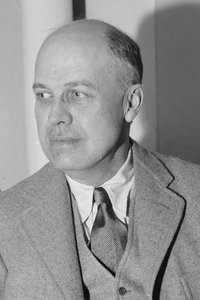
1882–1967, アメリカ合衆国
エドワード・ホッパー
アメリカン・シーンの静寂 エドワード・ホッパーは、アメリカ合衆国のアップ・ナイアックに生を受けました。彼の幼少期は、世界をじっと見つめる観察眼を養う日々であり、その習慣は、日付と署名が丁寧に記された子供時代のスケッチから始まっていました。両親は現実的な選択肢として商業イラストレーターの道を勧めましたが、彼の情熱は純粋芸術へと向かっていました。彼はニューヨーク・スクール・オブ・アートに入学し、ウィリアム・メリット・チェイスやロバート・ヘンリーに師事します。この修行時代は、世界を飾らず、ありのままに描き出すために必要な技術的習熟を彼に授けました。彼はパリで出会った印象派のような、刹那的な筆致を追い求めることはありませんでした。むしろ、群衆の動きよりも、ある瞬間に漂う静止した時間を尊ぶ、独自の視座を築き上げたのです。 彼の作品の多くは、日常的な風景に焦点を当てています。家々、ダイナー、オフィス、そしてホテルの客室。彼は余分な細部を削ぎ落とすことで、その情景の根底にある感情的な真実をあぶり出そうとしました。1925年の傑作線路脇の家では、シンプルな構図の中に、神秘性と孤独感が漂っています。彼は光と影を、単に部屋を説明するための道具としてではなく、情緒を醸成するための手段として用いました。壁に落ちる影の精密な描写や、窓に差し込む光の在り方は、被写体の心理状態を伝える彼独自の言語となったのです。 光と都市の内部空間 空間に差し込む光の在り方は、彼の絵画における中心的な登場人物といえます。1942年の『夜警(Nighthawks)』では、深夜のダイナーから漏れる強烈な蛍光灯の光が、人影のない都市の街路の暗闇を切り裂いています。店内にいる人々は、物理的には近くにありながらも、互いに断絶し、それぞれの思索の中に沈み込んでいるように見えます。こうした、混雑した都市の中にありながら感じる匿名性は、彼の繰り返される重要なテーマとなりました。彼は、公共の場にいながらにして孤独であるという緊張感を捉え、その感覚はオートマットや『小さな街のオフィス』といった作品の中に深く共鳴しています。彼は、人工的な光が夜の自然な暗闇とどのように交錯するかに、深い関心を寄せていたのです。 妻のジョセフィン・ニビソン・ホッパーは、彼の傍らに常に寄り添う存在でした。彼女自身も芸術家であり、しばしば彼のモデルを務めました。彼女の存在感は、彼が描く多くの女性像のキャラクター形成の中に息づいています。二人は質素な生活を送り、夏をニューイングランドで過ごすことも多く、それが彼が描く風景にも影響を与えました。田舎から都市に至るまで、エドワード・ホッパーが描くアメリカの風景は、しばしばある種の荒涼とした空虚さを強調します。それが『ガソリンスタンド』(1940年)の道端の施設であれ、ホテルの静かな一室であれ、主題は常に、物理的な場所と、個人の内面的な経験が交差する地点にあるのです。 観察が遺したもの ホッパーの影響は、映画や文学といった視覚言語の領域にまで及んでいます。構図を通じて心理的な緊張感を生み出す彼の卓越した能力は、イメージを通じて物語を語る手法を研究する多くの人々に注目されてきました。彼の作品は、現在も世界中の主要な美術館に収蔵されており、ホイットニー美術館やボストンのボストン美術館といった名だたるコレクションの一部となっています。彼は壮大な歴史的物語を描こうとしたのではありません。日常の静かな片隅に題材を見出し、ありふれた窓や通り過ぎる見知らぬ誰かを、人間存在の探求へと昇華させたのです。彼の作品は、今なお、人々の間に存在する「静寂」を問い続けています。
エドワード・ホッパーのその他の作品
 夜の客、シカゴ美術館所蔵1942
 オートマット(小)
 線路脇の家1925
 ニューヨーク・ムービー1939
Intermission (small)に関するエッセイ
 エドワード・ホッパー傑作25選:アメリカの孤独と光影の世界 | OriginalUniqueArtエドワード・ホッパーの傑作25選。アメリカ絵画を代表するモダンアート、孤独と光影の世界を紐解きます。名画「Nighthawks」や「ハウス・バイ・ザ・レールロード」など、美術史に残る作品群をOriginalUniqueArtで高品質複製画としてお楽しみください。インテリアに深み…
 色彩の記憶を油彩で:風景写真から紡ぐ、あなただけの印象派OriginalUniqueArtで、風景写真から印象派の油彩画を制作。熟練画家による手描きで、大切な思い出を未来へ繋ぐパーソナル・レガシーアートをお届けします。高品質なカスタムオーダーと安心の全額返金保証。
 Atmospheric Precision: A Study of Stillness in Serene Landscape CompositionsExplore the mastery of atmospheric landscapes from Constable to Corot. Discover the art of stillness and dive into the collection now.