Baroque · 1747
Erigone (シャルル=アンドレ・ヴァン・ルー, 1747)
シャルル=アンドレ・ヴァン・ルー (1705–1765)による作品『Erigone』 制作年は1747年です。 Baroque運動に属しています。 Oil On Canvasで制作されています。 Laon, FranceのMusée d'art et d'archéologie de Laonに所蔵されています。
- 1747
- Oil On Canvas
- Musée d'art et d'archéologie de Laon

 設置イメージを表示

 手描き油彩画
 シェアする
 シェアする
 解説シート


 ダウンロード
 似ている作品
 X線調査
 スライドショーを表示
 Q&A

 統計情報
Erigoneの概要
- 作品名
- Erigone
- 作家
- シャルル=アンドレ・ヴァン・ルー (1705–1765)
- 生年
- ニース, フランス
- 制作年
- 1747
- 技法
- Oil On Canvas
- 展示場所
- Musée d'art et d'archéologie de Laon, Laon, France
- 技法
- Baroque
- 制作年代
- Early Modern
- 主題
- nude figure, mythology, baroque, landscape, fertility, abundance
Erigoneには何が描かれていますか?
Identification of Erigone by Charles-André van Loo
The scene unfolds around Erigone, a work painted by Charles-André van Loo. This oil on canvas captures a moment of quiet power within a lush, natural setting. The subject is a nude female figure, her form central to the composition. She exists amidst a landscape of heavy vines and ripening fruit, embodying themes of abundance and fertility. One wonders at the connection between her graceful presence and the overflowing life surrounding her.
Created about 1747, this piece reflects the artist's ability to breathe life into mythological subjects. Charles-André van Loo places the figure within a world where the organic shapes of foliage and grapes seem to pulse with growth. The soft light catches the contours of her skin, grounding the mythological figure in a tangible, breathing reality. It is a vision of nature's bounty, held in a delicate balance between the human form and the wild, spreading vines.
Composition and Visual Elements
The figure rests at the very heart of the scene, a central presence held in balance against a landscape that stretches out in a richly detailed backdrop. Curvilinear lines guide the eye, tracing the soft contours of the woman’s body and following the winding, natural paths of the vines and trees. Every shape feels organic; rounded forms dominate the scene, from the heavy clusters of fruit to the flowing folds of the drapery and the lushness of the surrounding foliage. There is a sense of life in these curves, as if the very plants are reaching toward the light.
A soft, diffused light bathes the entire composition, creating a gentle glow that settles upon the subject’s features and skin. This light does not strike harshly but seems to emanate from within the atmosphere itself. The perspective feels somewhat flattened, a characteristic that keeps the viewer close to the subject, even as the landscape recedes slightly into the distance. Depth emerges through the careful layering of elements in the background, where atmospheric perspective causes the distant trees to appear paler and less distinct, pulling the eye deeper into the greenery.
Technique and Artistic Style
The scene unfolds through a Baroque sensibility, where dramatic lighting casts a soft, diffused glow across the subject. This light dances over the figure, highlighting the contours of the skin and the delicate features of the face. Every curve of the woman’s body and the organic forms of the surrounding foliage are rendered with a sense of grace. The composition relies on curvilinear lines that guide the eye through the lush, detailed landscape. It feels as though the air itself is heavy with the scent of grapes and the stillness of the natural world.
Oil paints on canvas allow for a meticulous application of color. The artist employs seamless blending to transition between tones, creating a smooth texture on the draped fabric and the skin. There is a profound sense of realism achieved through the careful observation of anatomy and the intricate details of the vines. The brushwork is precise, capturing the weight of the fruit and the textured bark of the trees. While the figure remains central and idealized, the background recedes through atmospheric perspective, where distant trees appear paler and less distinct, adding a quiet depth to the setting.
Related Works by Charles-André van Loo
The artist's hand moves through various realms of myth and devotion. In 1729, he captures the weight of Trojan heroism in Aeneas Carrying Anchises. This work carries a different gravity than the intimate scenes found in his religious commissions. The Marriage of the Virgin remains preserved within the walls of the Louvre, while his 1738 painting Virgin and Child offers a moment of serene contemplation. These pieces reveal a capacity for both grand narrative and quiet, tender interaction.
The artist also explores the allure of the exotic through his 1747 work Sultane, housed in the Musée des Arts Décoratifs in Paris. Here, the focus shifts toward the luxurious textures of Ottoman-inspired attire. Such subjects highlight a fascination with the decorative splendor of the mid-18th century. Each piece reflects a specific facet of his ability to navigate between the heavy requirements of historical painting and the lighter, more playful sensibilities of the French court.
Erigoneは、どの美術館に所蔵されていますか?
Musée d'art et d'archéologie de Laon
Laon, France
The Architecture of the Templar Commandery The Musée d'art et d'archéologie de Laon occupies the former Templar commandery, a site integrated into the medieval fabric of Laon. Since 1891, the institution has been housed within these stone walls, which include the Chapel Saint-Jean-Baptiste. This chapel, constructed around 1140, features an octagonal structure and a choir that represent the oldest portions of the site.


Erigoneの高解像度画像
シャルル=アンドレ・ヴァン・ルー, Erigone (1747), Musée d'art et d'archéologie de Laon. パブリックドメイン
Erigoneに関するよくあるご質問
「Erigone」の原画は、どの美術館に収蔵されていますか?
シャルル=アンドレ・ヴァン・ルー作「Erigone」はMusée d'art et d'archéologie de Laon, Laon, Franceに展示されています。なお、美術館の掲載情報は複製画ではなく、原画に関するものです。
シャルル=アンドレ・ヴァン・ルー作「Erigone」の制作時期はいつですか?
シャルル=アンドレ・ヴァン・ルー作「Erigone」の制作年は1747年です。
シャルル=アンドレ・ヴァン・ルー作「Erigone」にはどのような技法が用いられていますか?
シャルル=アンドレ・ヴァン・ルーは、「Erigone」においてOil On Canvasの技法を用いています。この技法が、原画の素材としての性質を決定づけています。
シャルル=アンドレ・ヴァン・ルー作「Erigone」にはどのような主題が描かれていますか?
「Erigone」に描かれている主題はnude figure, mythology, baroque, landscape, fertility, abundance, classical art, grapevinesです。
シャルル=アンドレ・ヴァン・ルー作「Erigone」はパブリックドメインですか?
著作権について、「Erigone」はパブリックドメイン(著作権消滅)です。
「Erigone」の作者は?
「Erigone」はシャルル=アンドレ・ヴァン・ルーによる作品です。このページでは、シャルル=アンドレ・ヴァン・ルーのオリジナル作品についてご紹介しています。
「Erigone」はどの様式に属していますか?
シャルル=アンドレ・ヴァン・ルー作「Erigone」はBaroqueに属しています。このムーブメントは、本作の様式的な背景を形作るものです。
「Erigone」は、シャルル=アンドレ・ヴァン・ルーのキャリアにおけるどの時期の作品でしょうか?
シャルル=アンドレ・ヴァン・ルーの画業において、「Erigone」はMature Periodに制作されたものです。この時期の作品を知ることで、同アーティストの他の作品との比較検討が可能になります。
シャルル=アンドレ・ヴァン・ルーは何歳の時に「Erigone」を制作しましたか?
1747年に「Erigone」が制作された際、1705年生まれのシャルル=アンドレ・ヴァン・ルーは42歳でした。
アーティスト シャルル=アンドレ・ヴァン・ルー について
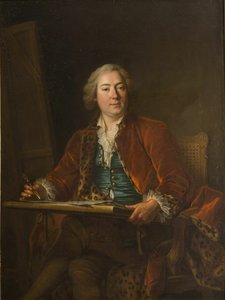
1705–1765, フランス
シャルル=アンドレ・ヴァン・ルー
初期の生涯と研鑽 生誕: 1705年2月15日、フランスのニースに生まれる 家系: ルイ=アブラハム・ヴァン・ルーの息子であり、ジャン=バティスト・ヴァン・ルーの弟。成功したオランダ絵画家の名門の一員であった。 初期教育: トリーニノで基礎を築き、その後1712年にローマへ渡り、ベネデット・ルティやピエール・レグロのもとで学んだ。 パリでの研鑽: 王立美術学校(アカデミー・ロワイヤル)に通い、1723年にはデッサン部門で、そして1727年には歴史画部門で最優秀賞を受賞した。 芸術的キャリアと代表作 様式: 主にロココ絵画の大家として知られ、その作品には優雅さ、気品、そして華麗な装飾性が特徴である。 主題: 肖像画から神話的な場面、歴史画、寓意画、さらには風俗画に至るまで、多岐にわたる題材を手がけてきた。 重要な作品: ヴィーナスとアモール(ブレーメン美術館)- ロココ様式における熟練の技を見せつけている。 狩りの一時停止(メトロポリタン美術館)– 上流階級の活動を生き生きと捉えている。 マリー・レシュチンスカ、フランス王妃の肖像画 – 注目すべき王室の肖像作品である。 ジュピターとアンティオペ - 神話的なテーマを見事に描き出している。 自画像 – 画家自身の自己認識を垣間見せてくれる。 ペルセウスとアンドロメダ(複数のバージョン)– 古典神話を描写する技術の高さを物語っている。 マドモワゼル・クラロンのメデイア(小品) - 1760年頃の魅惑的なロココ肖像画である。 庇護と王室からの栄誉 王室の庇護: ポマプドール夫人やフランス宮廷から厚い庇護を受けることとなった。 宮廷への任命: 1762年にはルイ15世の宮廷画家という名誉ある地位に就任した。 聖ミカエル勲章: この栄誉ある勲章を授与され、王室からの深い信頼を象徴している。 影響と遺産 家族の影響: 自身が熟練の画家であった父や兄から多大な影響を受けたことは間違いない。 ライバル関係: 同時代を築いた著名なロココ画家、フランソワ・ブッシェと競い合った歴史もある。 近代フランス派への貢献: 彼の作品に見られる「様式の簡潔さと構図の正確さ」は、後の近代フランス絵画の潮流に決定的な影響を与えた。 批評的評価: 時世によってその評価は揺れ動いたものの、その卓越した技術と作品の幅広さは今なお深い敬意を集めている。 美術館所蔵品とさらなる探求 美術館での展示: ルーヴル美術館(処女の結婚)、ブレーメン美術館、メトロポリタン美術館など、著名な美術館に作品が所蔵されている。 追加資料: AllPaintingsStoreのシャルル=アンドレ・ヴァン・ルーのページ: https://www.AllPaintingsStore.com/artists/charles-andre-van-loo/ AllPaintingsStoreの史上最高の芸術家ページ: https://www.AllPaintingsStore.com/greatest-artists AllPaintingsStoreバーチャル美術館: https://www.AllPaintingsStore.com/ Wikipedia記事: https://en.wikipedia.org/wiki/Charles-Andr%C3%A9_van_Loo
シャルル=アンドレ・ヴァン・ルーのその他の作品
 Spanish Concert (Spanish Сonversation)1754
 Aeneas Carrying Anchises1729
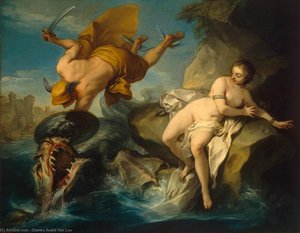 Perseus and Andromeda1735
 The sultana1747
Erigoneに関するエッセイ
 Charles-André van Loo: A Study in Rococo Portraiture & the French Court's Artistic DynamicsExplore the elegant world of Charles-André van Loo, a master of Rococo portraiture at the French court. Discover his life, techniques, and …
 Masterpieces of Edward Burne-Jones: The Top 25 Essential ArtworksExplore the top 25 Pre-Raphaelite masterpieces by Edward Burne-Jones. Discover his iconic works and curated art on OriginalUniqueArt.com.
 25 Masterpieces by Jean-Antoine Watteau: The Essence of Rococo EleganceExperience the Rococo elegance of Jean-Antoine Watteau's finest works. Explore the full collection online at OriginalUniqueArt.com.