

 設置イメージを確認
 送る
送る シェア
シェア
 詳細情報
詳細情報 ガイドを表示

 画像をダウンロード
 似ている作品
 X線調査
X線調査 スライドショー
 統計情報
統計情報Spring Evening
 Oil On Panel
- Symbolist Painting
 1879
1879 67.0 x 129.0 cm
 Szépművészeti Múzeum
 続きを読む
続きを読む
ジークレー/アートプリント
スピーディーな制作と多彩な仕上げオプションが魅力の、ミュージアムクオリティなジークレー・キャンバスプリント。 ( 手描きの複製画を注文する デジタル画像販売へ切り替え)




P118B ¥10

P118H ¥10

P118W ¥10

P438Z ¥10

P508JH ¥12

P508YH ¥12

P805H ¥10

P805Z ¥10

P919BZ ¥10

P919G ¥10

P919XJ ¥10

P959ZH ¥10

P968JZ ¥12

W106C ¥8

W218G ¥10

W218JH ¥8

W218Y ¥10

W307PJ ¥10

W316G ¥10

W316PJ ¥8

W316Y ¥10

W398PJ ¥8

W4111J ¥10

W500HY ¥15

W500JH ¥15

W692G ¥12

W849H ¥8

W940BG ¥15

W953PJ ¥8




作品のオリジナル比率に合わせた、当店の規定サイズからお選びください。

額縁や壁のスペースに合わせて、ご希望の幅と高さを入力してください。プリントはカットすることは可能ですが、元の画像より大きくすることはできないため、異なる比率のサイズを選択された場合は、画像の一部が欠けることになります。印刷を開始する前に、内容を確認していただくためのデジタルモックアップをお送りいたします。このページに表示されている画像は、実際のカット後の状態を示すものではありません。実際の仕上がりはモックアップにてご確認ください。


 ガラスオプションは、110cm未満のサイズでのみご利用いただけます。

Spring Evening
ジークレー/アートプリント
複製画サイズ一覧
-


合計金額
¥ 12466
The Ethereal Embrace of Spring Evening
Arnold Böcklin’s “Spring Evening,” painted in 1879, isn't merely a depiction of a woodland scene; it’s an immersion into a realm of melancholic beauty and profound symbolism. Created during his time in Florence – a city that profoundly shaped his artistic vision – the painting captures a fleeting moment of enchantment, steeped in the atmosphere of late Romanticism and foreshadowing the rise of Symbolism. The canvas breathes with a quiet intensity, dominated by muted greens, blues, and browns, creating an almost dreamlike quality that immediately draws the viewer into its hushed world.
At the heart of the composition stands a woman, her posture suggesting both contemplation and vulnerability. Her hand gently resting on her head is a gesture simultaneously of yielding and quiet strength – she’s not passively observing but actively engaged with the scene unfolding before her. Beside her sits a man, seemingly lost in thought as he peruses a book, his presence offering a grounding element to the ethereal atmosphere. A bear, rendered with surprising tenderness, interacts playfully with both figures, blurring the lines between human and animal, nature and civilization. This carefully orchestrated tableau speaks of harmony, connection, and the delicate balance of the natural world.
A Symphony of Symbolism
Böcklin’s work is deeply rooted in mythology and folklore, drawing heavily on ancient Greek and Roman traditions. The central figure, often interpreted as Pan – the god of nature, shepherds, and wild music – plays his pipes, summoning a chorus of unseen nymphs from the surrounding forest. These dryads, with their flowing hair and graceful movements, represent the spirit of the woods, embodying both beauty and danger. The bear itself is a potent symbol, frequently associated with strength, wisdom, and primal instincts—a reminder of humanity’s connection to the earth.
The painting's muted palette contributes significantly to its symbolic weight. The cool blues and greens evoke a sense of melancholy and introspection, while the browns ground the scene in the tangible reality of the forest floor. The lighting is soft and diffused, creating an atmosphere of twilight—a liminal space between day and night, representing transition, mystery, and perhaps even mortality. Böcklin masterfully uses color not to simply depict a landscape but to convey complex emotions and ideas.
Technique and Artistic Influences
“Spring Evening” exemplifies Böcklin’s distinctive artistic style, characterized by meticulous detail, rich textures, and an almost obsessive attention to the natural world. He employed a technique of layering thin glazes of oil paint, building up color gradually to achieve remarkable depth and luminosity. The brushwork is subtle yet expressive, conveying both the smoothness of the forest floor and the intricate details of the foliage.
Böcklin’s artistic journey was profoundly influenced by his time in Düsseldorf, where he studied under Schirmer and became associated with the Düsseldorf School of Painting. However, it was in Florence that he truly developed his unique Symbolist vision, drawing inspiration from the city's rich cultural heritage and its connection to antiquity. The painting also reflects the influence of Romanticism, particularly the emphasis on emotion, imagination, and the sublime beauty of nature—themes central to the movement.
A Timeless Resonance
“Spring Evening” continues to resonate with viewers today because it taps into universal themes of longing, connection, and the search for meaning. Its evocative atmosphere and symbolic richness invite contemplation and offer a glimpse into the artist’s deeply personal vision. The painting's enduring appeal lies in its ability to transport us to another time and place—a world where myth and reality intertwine, and where the beauty of nature is inextricably linked to the mysteries of the human soul.
よくあるご質問
アーノルド・ベックリン作「Spring Evening」の複製画は、どのような用途に適していますか?
「Spring Evening」のプリントのおすすめの使い方は、Statementです。
「Spring Evening」全体の明るさはどの程度ですか?
アーノルド・ベックリン作「Spring Evening」の視覚的な明るさはdeep_shadowです。設置する空間の光の加減に合わせて調整することが可能です。
学生向けのアーノルド・ベックリン作「Spring Evening」に関するファクトシートはありますか?
アーノルド・ベックリン作「Spring Evening」のガイドページでは、印刷して活用できる2枚構成のファクトシートを提供しています。これには、作品とその詳細情報をまとめたデータテーブル、アーティストの生涯における時代背景を示す年代チャート、同アーティストによる他の作品、測定されたカラーパレット、そしてそのままコピーして使用できる4つの形式の引用文献情報が含まれています。
アーティストについて
生い立ちと修行時代
アーノルド・ベックリンは、スイスを代表する象徴主義の画家として、1827年10月16日、スイスのバーゼルに生を受けました。彼の父であるクリスティアン・フリードリヒ・ベックリンは、シャフハウゼンに古くから続く家系に属し、絹織物貿易に従事していました。また、母であるウルシュラ・リッペも同じくバーゼルの出身でした。若き日のベックリンは、デュッセルドルフ美術アカデミーにてシラーマンに師事し、その過程でアンセルム・フェイエルバッハとの親交を深めました。こうして彼は、デュッセルドルフ派の画家としての足跡を刻み始めたのです。芸術的キャリアと象徴主義
ベックリンの芸術的な旅路は、彼を様々な都市へと導きました。パリではルーヴル美術館での研鑽を積み、ローマではその壮麗な景色から多大な影響を受けました。彼の作品には、古典的な建築を背景に、寓意や神話の登場人物が描かれることが多く、そこには常に「死」や「死すべき運命(モータリティ)」という深遠なテーマが探求されていました。- 初期の代表作の一つである『大公園』では、古代神話の世界が見事に表現されています。
- この時期の重要な作品として、『ニンフとサテュロス』(1858年)や『サッフォー』(1859年)が挙げられます。
- また、ベックリン独自のスタイルを象徴するのが、『自画像:死がバイオリンを弾く』(1872年)です。
遺産と影響力
ベックリンの名を最も広く知らしめたのは、1880年から1886年にかけて描かれた5つのバージョンの『死の島』でしょう。この作品は、娘が埋葬されたフィレンツェの英国人墓地を彷彿とさせるものです。彼の芸術は、ハンス・トマのような後進の画家たちに影響を与えただけでなく、後期ロマン派の作曲家たちのインスピレーションの源ともなりました。- 批評家のクレメント・グリーンバーグは、ベックリンの作品を、その時代における「最も完成された表現の一つ」と評しました。
- 彼のスタイルはラファエル前派とも共鳴し、夢の世界や神秘主義的な側面を強調しています。
美術館とコレクション
ベックリンの傑作は、現在も世界中の様々な美術館に収蔵されています。- 公立美術コレクション(スイス、バーゼル)
- バーゼル美術館(スイス)
- チューリッヒ・クンストハウス(スイス、チューリッヒ)
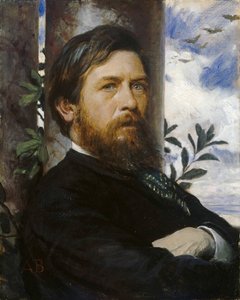
アーノルド・ベックリン
1827 - 1901 , スイス
アーティスト情報
- Artistic Movement Or Style: 象徴主義
- Artists Or Movements Influenced By This Artist:
- ハンス・トーマ
- ラファエル前派
- Artists Who Influenced This Artist:
- シルマー
- フェーアバッハ
- Date Of Birth: 1827年10月16日
- Date Of Death: 1901年1月16日
- Full Name: アーノルド・ベックリン
- Nationality: スイス
- Notable Artworks:
- 死の島
- ニンフとサテュロス
- サッフォー
- 自画像
- Place Of Birth: スイス、バーゼル
関連記事

Evocations of Place: A Historical Journey Through Landscape Art
Explore the rich history of landscape art with OriginalUniqueArt. Discover renowned artists, movements like Impressionism & tonalism, and expert guidance for collecting timeless pieces. Find your perfect serene escape today!

ジョン・コンスタブルの傑作25選:英国風景画の巨匠が描く自然と光の詩 | OriginalUniqueArt
ジョン・コンスタブルの傑作25選。英国風景画の巨匠が描く自然と光の詩の世界へ。ロマン主義を代表する絵画、デダム・ヴェールやヘイ・ウェインなど、OriginalUniqueArtで高品質なアートプリントをお楽しみください。インテリアに深みと感動を。コレクションはこちら。

ロマン派ランドスケープ:時代を彩る巨匠の10選|アートとインテリアの世界
ロマン派絵画の時代を彩る10選。巨匠たちの風景が織りなす感動の世界へ。ターナー、ルーベンスなど、名作の裏話と高精細複製でアートをお部屋に。OriginalUniqueArt.comで至福のアート体験を。

Evocations of Place: A Historical Journey Through Landscape Art
Explore the rich history of landscape art with OriginalUniqueArt. Discover renowned artists, movements like Impressionism & Romanticism, and expert guidance for collecting timeless pieces. Find your perfect serene escape today!

Nature’s Sanctuary: Curating Enchanting Forest Artworks to Transform Your Home into a Serene Woodland Retreat
Transform your home into a serene woodland retreat with enchanting forest artworks. Discover museum-quality oil reproductions and custom landscape commissions designed to bring the peaceful beauty of nature indoors.
