レオノーラ・カリントンの肖像画

ギャラリー厳選、レオノーラ・カリントンによる最も有名な25の絵画

10月 2026 更新 · 当サイトの人気スコア(各作品の検索数、閲覧数、注文数)に基づくランキング · 25点の レオノーラ・カリントンの作品がカタログにあります

要約すると

レオノーラ・カリントンが遺した数多くのオリジナル作品の中で、最も有名なものはCostume design for the play Penelope Fantastic Figure with Leaves (1959)です。 それに次いで、Do You Know My Aunt Eliza? (1941)とSelf Portrait (1937)が続きます。 レオノーラ・カリントンによる25点の作品をカタログに掲載しています。当ギャラリーでは、世界が称賛する25点を選定し、制作年、所蔵美術館、そしてその背景にある物語とともにご紹介しています。

1917 – 2011, クレイトン・レ・ウッズ Surrealism 最多収蔵館: テート・ブリテン

レオノーラ・カリントンの代表作10選:ギャラリー厳選の作品集

2
Do You Know My Aunt Eliza? (1941) による レオノーラ・カリントン

Do You Know My Aunt Eliza?

1941 · Graphite · テート・ブリテン, ロンドン

This arresting monochromatic pencil drawing plunges the viewer into a moment of profound, almost visceral drama. The composition itself is a study in vertical tension, pulling the eye upward through an unfolding narrative of struggle. At its heart lies a dynamic confrontation: on one side, a spectral, skeletal presence—perhaps representing mortality or primal fear—lunges forward with palpable aggression. Counterbalancing this force is a more recognizably human figure, whose bearing suggests…

レオノーラ・カリントンのセレクションが続きます、11から25まで

レオノーラ・カリントンが心を惹かれた主題

これらのオリジナル作品に繰り返し描かれている4つの主題と、それぞれの最高傑作。

レオノーラ・カリントンの原画を所蔵する美術館

このページに掲載されている絵画を最も多く所蔵している 4 の美術館

美術館 都市 レオノーラ・カリントンの作品 このリストの絵画
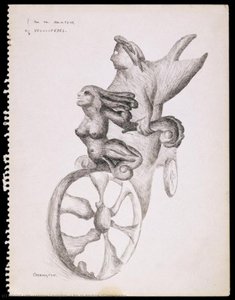
テート・ブリテン, ロンドンテート・ブリテン ロンドン 2 Do You Know My Aunt Eliza?, I Am an Amateur of Velocipedes
イスラエル博物館, エルサレムイスラエル博物館 エルサレム 2 Assurbanipal Abluting Harpies, Ayusco 2 am
Museum of Latin American Art, Long BeachMuseum of Latin American Art Long Beach 1 Title translation: Baño de pájaros
メトロポリタン美術館, ニューヨークメトロポリタン美術館 ニューヨーク 1 Costume design for the play ¦Penelope¦: Fantastic Figure with Leaves

レオノーラ・カリントンの年代別名作:各時代を象徴するオリジナル作品

年代別作品数

その時代を象徴する名作を見るために、年代を選択してください。

レオノーラ・カリントンの絵画に関するコレクターからの質問

レオノーラ・カリントンの代表作は何ですか?答えを見る

Costume design for the play Penelope Fantastic Figure with Leaves (1959)。続いてDo You Know My Aunt Eliza? (1941)、Self Portrait (1937)が続きます。

Costume design for the play Penelope Fantastic Figure with Leavesが制作されたとき、レオノーラ・カリントンは何歳でしたか?答えを見る

42歳:Costume design for the play Penelope Fantastic Figure with Leavesは1959年の作品で、レオノーラ・カリントンの生年は1917年です。

レオノーラ・カリントンの最も有名な10作品とは?答えを見る

Costume design for the play Penelope Fantastic Figure with Leaves, Do You Know My Aunt Eliza?, Self Portrait, Bird Superior, Portrait of Max Ernst, The Old Maids, The Good King Elk Horn, The Giantess, The Necromancer, Step-Sister's Hen と Assurbanipal Abluting Harpies。上記のランキングには、それぞれの制作年と所蔵美術館が記載されています。

レオノーラ・カリントンが遺した作品数は?答えを見る

当カタログには、1937年から1987年にかけて制作されたレオノーラ・カリントンによる25点の作品が収められています。

レオノーラ・カリントンの名作は、どの美術館に収蔵されていますか?答えを見る

主にテート・ブリテン (ロンドン), イスラエル博物館 (エルサレム) と Museum of Latin American Art (Long Beach)に所蔵されています。上記の美術館一覧にすべて記載されています。

レオノーラ・カリントンが最も有名な作品を多く描いたのは何年ですか?答えを見る

1950s年:このページにある全25作品のうち、7作品がその時期に制作されました。そのうちCostume design for the play Penelope Fantastic Figure with Leaves作品が含まれます。

レオノーラ・カリントンによる最初と最後の代表的なオリジナル作品は何ですか?答えを見る

このページでは、最も古い作品はSelf Portrait (1937)、最新の作品はAyusco 2 am (1987)です。

レオノーラ・カリントン が最も多く描いた主題は何ですか?答えを見る

このページに掲載されている25点の作品におけるMythology (2), Fantasy (2) と Dreamscape (2)

レオノーラ・カリントンはどの芸術運動に属していますか?答えを見る

このページに掲載されているオリジナル作品から判断すると、Surrealismです。

テート・ブリテンにはどのレオノーラ・カリントンの作品が展示されていますか?答えを見る

Do You Know My Aunt Eliza? と I Am an Amateur of Velocipedes:テート・ブリテン, ロンドンには、このページに掲載されている作品のうち2点が所蔵されています。

レオノーラ・カリントン:生涯と作品

A Realm Beyond the Veil: The Life and Art of Leonora Carrington

Born Mary Leonora Carrington in 1917 amidst the verdant landscapes of Clayton Woods, Lancashire, England, the artist who would become a pivotal figure in Surrealism was, from her earliest years, an individual set apart. Her upbringing within a wealthy textile manufacturing family provided material comfort but little solace for a spirit that chafed against societal expectations and yearned for realms beyond the tangible. Expulsions from two schools – including New Hall School in Chelmsford – signaled a rebellious streak, a refusal to be molded by conventional norms. This early defiance ultimately led her to Florence, Italy, where she briefly attended Mrs. Penrose's Academy of Art, yet it was an encounter at age ten with Surrealist art in a Paris gallery that truly ignited the flame within her imagination. The seed was planted; a lifelong fascination with the subconscious, mythology, and the power of dreams had begun to blossom. Though met with familial resistance, Carrington’s mother provided crucial encouragement, recognizing and nurturing her daughter's artistic inclinations.

Forging a Surrealist Identity: From London to Mexico

Carrington’s formal art education continued in London at the Chelsea School of Art (1935) followed by studies at the Ozenfant Academy, where she honed her technical skills. However, it was her fateful meeting with Max Ernst in 1937 that irrevocably altered the course of her artistic journey. Their passionate and intellectually stimulating relationship led them to Saint Martin d'Ardèche, France, a period of intense collaboration and experimentation. It was during this time that Carrington began to develop her distinctive style, exemplified by works like The Inn of the Dawn Horse (c. 1939). This self-portrait is not merely a depiction of physical likeness but a symbolic exploration of identity, blending human and animal forms within a dreamlike setting—a hallmark of her emerging aesthetic. The outbreak of World War II shattered this idyllic existence. Ernst’s departure for America and Carrington's subsequent mental breakdown in Spain plunged her into a period of profound suffering and institutionalization. From the depths of this experience emerged Down Below (1944), a semi-autobiographical novel that stands as a powerful testament to the horrors of psychosis and the failings of psychiatric treatment, solidifying her place within Surrealist literature. A pivotal move followed: in the 1940s, Carrington sought refuge and reinvention in Mexico City, where she would reside for the remainder of her life.

Myth, Magic, and Feminine Power: The Core of Her Vision

Leonora Carrington’s art is a captivating tapestry woven with threads of mythology, folklore, alchemy, Kabbalah, and deeply personal symbolism. Animals—often possessing human-like qualities or existing as hybrid creatures—feature prominently in her paintings, serving not merely as subjects but as representations of psychological states, archetypal figures, and the untamed forces of nature. While she resisted explicit categorization as a “feminist artist,” Carrington’s work consistently challenges traditional gender roles and explores female agency within fantastical narratives. Her dreamlike landscapes are populated by enigmatic figures and strange creatures, evoking an atmosphere of mystery and inviting viewers to delve into the depths of their own subconscious. Her unique style is characterized by meticulous detail combined with imaginative subject matter, vibrant colors, and intricate patterns that create visually arresting compositions. Arca de Noé (1967), a vibrant depiction of Noah’s Ark teeming with fantastical creatures, exemplifies her exploration of creation and renewal. The Return of Boadicea (1969) showcases her celestial imagery and mythical storytelling. Even haunting works like Do You Know My Aunt Eliza? (c. 1947), a pencil drawing exploring mortality, are imbued with a unique blend of vulnerability and strength.

A Lasting Legacy: Beyond Surrealism

In Mexico City, Carrington found not only artistic freedom but also intellectual kinship. Her close friendship and collaborative spirit with fellow Surrealist Remedios Varo fostered an exchange of ideas centered on alchemy, Mayan mysticism, and esoteric knowledge. She continued to paint prolifically throughout her life, creating a vast body of work that delved into themes of transformation, the subconscious, and the enduring power of myth. Beyond her artistic pursuits, Carrington was actively involved in social justice movements, becoming a founding member of the women’s liberation movement in Mexico during the 1970s. Her commitment to challenging societal norms extended beyond her art, reflecting a deep-seated belief in equality and empowerment. Leonora Carrington passed away in 2011, leaving behind a legacy that continues to inspire artists and audiences worldwide. She is now rightfully recognized as one of the most important Surrealist artists of the 20th century—a visionary whose work transcends categorization, inviting us to explore the hidden realms within ourselves and the world around us. Her paintings, novels, and unwavering spirit remain a testament to the power of imagination, rebellion, and the enduring search for meaning beyond the veil of reality.