ヘリット・リートフェルトの肖像画

ギャラリー厳選、ヘリット・リートフェルトによる最も有名な3の絵画

10月 2026 更新 · 当サイトの人気スコア(各作品の検索数、閲覧数、注文数)に基づくランキング · 3点の ヘリット・リートフェルトの作品がカタログにあります

要約すると

ヘリット・リートフェルトが遺したオリジナル作品の中で最も有名なものは、UtrechtのCentraal Museumに収蔵されているO Haupt voll Blut und Wunden (1911)です。 それに次いで、Portrait of Anthonie Begeer (1856-1910) (1910)とRed/Blue Chair (Rood Blauwe Stoel)が続きます。 ヘリット・リートフェルトによる3点の作品をカタログに掲載しています。当ギャラリーでは、世界が称賛する3点を選定し、制作年、所蔵美術館、そしてその背景にある物語とともにご紹介しています。

1888 – 1964, ユトレヒト 最多収蔵館: Centraal Museum

ヘリット・リートフェルトの代表作10選:ギャラリー厳選の作品集

3
Red/Blue Chair (Rood Blauwe Stoel) による ヘリット・リートフェルト

Red/Blue Chair (Rood Blauwe Stoel)

The Red/Blue Chair is perhaps the most influential and recognizable furniture design of the twentieth century because it redefined traditional notions of form and space within the confines of a practical household object. This design blurred the boundaries between painting, sculpture, and architecture. By reducing form to a series of planes and boundaries delineating space but not containing it, Rietveld erased the isolation of the object in space and gave…

ヘリット・リートフェルトの原画を所蔵する美術館

このページに掲載されている絵画を最も多く所蔵している 2 の美術館

美術館 都市 ヘリット・リートフェルトの作品 このリストの絵画
Centraal Museum, UtrechtCentraal Museum Utrecht 2 O Haupt voll Blut und Wunden, Portrait of Anthonie Begeer (1856-1910)
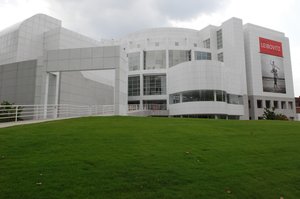
ハイ・ミュージアム・オブ・アート, アトランタハイ・ミュージアム・オブ・アート アトランタ 1 Red/Blue Chair (Rood Blauwe Stoel)

ヘリット・リートフェルトの歩み:その時代を象徴するオリジナル作品

1910年から1911年までのわずか2年間にわたる、厳選されたヘリット・リートフェルトの歴代作品:各年代の最高傑作がここに揃っています。

年別作品数

年代を選択して、当時のオリジナル作品を見る

ヘリット・リートフェルトの絵画に関するコレクターからの質問

ヘリット・リートフェルトの代表作は何ですか?答えを見る

O Haupt voll Blut und Wunden (1911)(Centraal Museum, Utrecht)。次いでPortrait of Anthonie Begeer (1856-1910) (1910)、Red/Blue Chair (Rood Blauwe Stoel)が続きます。

O Haupt voll Blut und Wundenが制作されたとき、ヘリット・リートフェルトは何歳でしたか?答えを見る

23歳:O Haupt voll Blut und Wundenは1911年の作品で、ヘリット・リートフェルトの生年は1888年です。

ヘリット・リートフェルトが遺した作品数は?答えを見る

当カタログには、1910年から1911年にかけて制作されたヘリット・リートフェルトによる3点の作品が収められています。

ヘリット・リートフェルトの名作は、どの美術館に収蔵されていますか?答えを見る

主にCentraal Museum (Utrecht) と ハイ・ミュージアム・オブ・アート (アトランタ)に所蔵されています。上記の美術館一覧にすべて記載されています。

ヘリット・リートフェルトによる最初と最後の代表的なオリジナル作品は何ですか?答えを見る

このページでは、最も古い作品はPortrait of Anthonie Begeer (1856-1910) (1910)、最新の作品はO Haupt voll Blut und Wunden (1911)です。

Centraal Museumにはどのヘリット・リートフェルトの作品が展示されていますか?答えを見る

O Haupt voll Blut und Wunden と Portrait of Anthonie Begeer (1856-1910):Centraal Museum, Utrechtには、このページに掲載されている作品のうち2点が所蔵されています。

ヘリット・リートフェルト:生涯と作品

The Artisan's Lineage and the Birth of Modernity

In the heart of Utrecht, where the scent of fresh sawdust and the rhythmic strike of a mallet once defined the daily rhythm, Gerrit Thomas Rietveld began his journey. Born in 1888 to a master joiner, his early years were steeped in the tactile language of wood and the disciplined precision of craftsmanship. This foundational intimacy with material was not merely a childhood memory but the very bedrock upon which he would later build a revolution. Before he ever sought to deconstruct form into abstract planes, Rietveld mastered the physical reality of the joint and the grain, honing his technical skills through night school and professional draughtsmanship. This marriage of manual dexterity and academic rigor allowed him to translate the most complex, abstract concepts into tangible, structural realities.

The Geometry of Spirit: De Stijl and the Red/Blue Chair

As the twentieth century unfolded, a radical new vision began to coalesce, one that sought to strip away the ornamental excesses of the past in favor of a pure, elemental truth. Rietveld emerged as a vital protagonist in the De Stijl movement, a group of visionaries who believed that art could be reduced to its most fundamental components: horizontal and vertical lines, and the primary triad of red, blue, and yellow. His 1917 creation, the Red/Blue Chair, stands as a profound manifesto in three dimensions. It is not merely furniture; it is a sculptural intersection of planes that defies the traditional weight of an object. By utilizing cantilevered elements and bold, primary colors, Rietveld transformed a functional household item into a dynamic exploration of space, where the boundaries between painting, sculpture, and architecture began to dissolve.

Architectural Fluidity and a Lasting Legacy

Rietveld’s ambitions eventually transcended the confines of the workshop, spilling into the very structures that house human life. His architectural masterpiece, the Rietveld Schröder House, remains one of the most radical expressions of modern living ever conceived. In this Utrecht landmark, he abandoned the static, enclosed room in favor of a fluid, metamorphic environment. Through the ingenious use of sliding walls and open planes, he created a space that could breathe and change, mirroring the dynamism of the modern age. This vision of functionalism—where beauty is found in clarity, structure, and the honest expression of form—has left an indelible mark on the history of design. From his interactions with the Bauhaus to his enduring influence on geometric abstraction, Rietveld’s legacy continues to resonate, reminding us that true innovation lies in the courage to see the world through its most essential, unadorned lines.