


1


10月 2026 更新 · 当サイトの人気スコア(各作品の検索数、閲覧数、注文数)に基づくランキング · 61点の Filippo De Pisisの作品がカタログにあります
要約すると
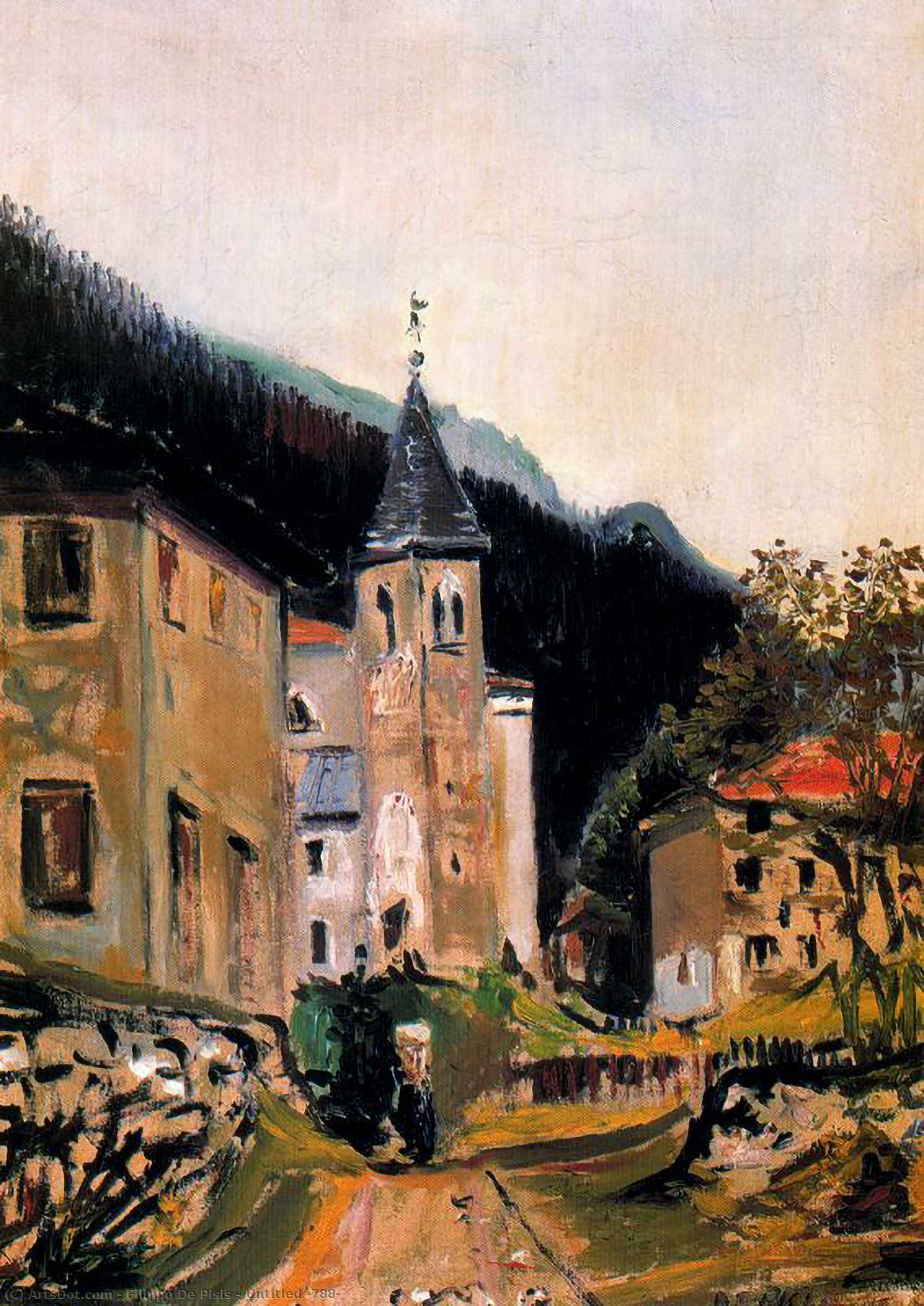
当ギャラリーの視点では、Filippo De Pisisの最も有名な作品はUntitled (839)です。 Untitled (529)とUntitled (788)が加わり、誰もが一度は目にしたことのある至高のトリオが完成します。 当カタログに含まれるFilippo De Pisisの作品61点の中から、特に有名な60点を厳選してご紹介します。各作品は、制作年、所蔵美術館、そしてその作品ならではの魅力とともに、一点物のオリジナル作品として掲載されています。



In the quiet intimacy of Filippo de Pisis’s Still Life with Mushrooms, we are invited into a world where the mundane is elevated to the level of poetry. Created in 1934, this exquisite composition serves as a masterclass in the art of the fleeting moment. The painting captures a scattered collection of mushrooms, their organic forms resting with a delicate randomness across the canvas. Some lie solitary on the ground,…


 Untitled (742)
12
 Untitled (997)
13
 Untitled (864)
14
 Untitled (599)
15
 Untitled (858)
16
 Untitled (904)
17
 Untitled (822)
18
 Untitled (929)
19
 Untitled (798)
20
 Untitled (125)
21
 Untitled (464)
22
 Untitled (124)
23
 Untitled (525)
24
 Untitled (401)
25
 Untitled (191)
26
 Untitled (702)
27
 Untitled (662)
28
 Still Life with Shell1930
29
 Strawberries. Still Life1939 · Galleria d'Arte Moderna Achille Forti
30
 Untitled (347)
31
 Untitled (132)
32
 Untitled (309)
33
 Untitled (553)
34
 Untitled (436)
35
 Untitled (160)
36
 Untitled (492)
37
 Untitled (217)
38
 Untitled (802)
39
 Untitled (211)
40
 Untitled (818)
41
 Untitled (762)
42
 Untitled (776)
43
 Untitled (704)
44
 Untitled (432)
45
 Untitled (391)
46
 Untitled (853)
47
 Untitled (353)
48
 Untitled (668)
49
 Untitled (167)
50
 Untitled (851)
51
 Untitled (957)
52
 Untitled (238)
53
 Untitled (739)
54
 Untitled (551)
55
 Untitled (406)
56
 Untitled (468)
57
 Untitled (220)
58
 Untitled (461)
59
 Untitled (567)
60
 Untitled (976)
これらのオリジナル作品に繰り返し描かれている4つの主題と、それぞれの最高傑作。
このページに掲載されている絵画を最も多く所蔵している 2 の美術館
| 美術館 | 都市 | Filippo De Pisisの作品 | このリストの絵画 |
|---|---|---|---|
 Galleria d'Arte Moderna Achille Forti |
Verona | 2 | Still life with Mushrooms, Strawberries. Still Life |
 アートギャラリー・オブ・ニューサウスウェルス |
シドニー | 1 | Flowers |
1930年から1939年までの10年余りの歳月は、Filippo De Pisisにとって非常に重要なものでした。ギャラリーでは、名作の原画を次々と辿りながら、その歩みを年ごとに振り返ります。
年代を選択して、当時のオリジナル作品を見る

In the quiet intimacy of Filippo de Pisis’s Still Life with Mushrooms, we are invited into a world where the mundane is elevated to the level of poetry. Created in 1934, this exquisite composition serves as a masterclass in the art of the fleeting moment. The painting captures a scattered collection of mushrooms, their organic forms resting with a delicate randomness across the canvas. Some lie solitary on the ground,…

Untitled (839)。続いてUntitled (529)、Untitled (788)が続きます。
Untitled (839), Untitled (529), Untitled (788), Flowers, Untitled (620), Untitled (313), Still life with Mushrooms, Untitled (805), Untitled (699) と Untitled (586)。上記のランキングには、それぞれの制作年と所蔵美術館が記載されています。
当カタログには、1930年から1939年にかけて制作されたFilippo De Pisisによる61点の作品が収められています。
主にGalleria d'Arte Moderna Achille Forti (Verona) と アートギャラリー・オブ・ニューサウスウェルス (シドニー)に所蔵されています。上記の美術館一覧にすべて記載されています。
このページでは、最も古い作品はStill Life with Shell (1930)、最新の作品はStrawberries. Still Life (1939)です。
このページに掲載されている60点の作品におけるStill life (6), Italian art (6) と Flowers (2)
このページに掲載されているオリジナル作品から判断すると、Impressionism と Post-impressionismです。
Still life with Mushrooms と Strawberries. Still Life:Galleria d'Arte Moderna Achille Forti, Veronaには、このページに掲載されている作品のうち2点が所蔵されています。
Born Luigi Filippo Tibertelli in the historic Italian city of Ferrara, Filippo De Pisis was an artist who refused to be confined by a single medium. To understand his canvas, one must first understand his soul as a poet; he viewed the world through a lens of literary sensitivity, where every shadow and light flicker held a narrative weight. His early years in Italy were marked by a profound intellectual curiosity, studying literature and philosophy in Bologna. It was here that he encountered the haunting, dreamlike visions of Giorgio De Chirico, an encounter that would plant the seeds of Metaphysical influence within his burgeoning style. This duality—the precision of a scholar and the wandering eye of a flâneur—defined his approach to art, allowing him to capture not just the physical reality of a subject, but its emotional resonance.
His journey was one of constant movement across the great cultural capitals of Europe. Moving to Rome in 1919 and later settling in Paris in 1925, De Pisis immersed himself in the vibrant, avant-garde pulse of the interwar period. In Paris, his brushwork began to shed its more rigid, metaphysical origins, absorbing the light and movement of French Impressionism. He moved within the same circles as Georges Braque and André Derain, and his style evolved into something uniquely his own: a technique often described as pittura a zancapi mosca—a "fly-wing" style of painting characterized by rapid, fragmented, and nervous brushstrokes. This method allowed him to achieve an airy, almost mirage-like quality, where objects seemed to vibrate with life before dissolving back into the atmosphere.
The heart of De Pisis’s oeuvre lies in his ability to find the eternal within the ephemeral. He possessed a singular talent for elevating the mundane—a simple arrangement of mushrooms, a bowl of strawberries, or a vase of foxgloves—into profound meditations on existence. His still lifes are never merely static arrangements; they are imbued with what he called "pathetic pleasure-pain," a bittersweet recognition of beauty's fleeting nature. Through muted pastel hues and a masterful command of Venetian light, he created compositions where the boundaries between objects and their surroundings blur, suggesting a deep, spiritual interconnectedness between all things.
His fascination with Venice provided much of his most luminous subject matter. The city’s architectural grandeur and its misty, maritime atmosphere served as the perfect stage for his expressive explorations. Whether depicting the rhythmic movement of a seascape or the quiet intimacy of a street scene, De Pisis utilized a broken brushstroke technique that captured the very essence of light hitting water or stone. This period of his work represents a pinnacle of Italian Post-Impressionism, where the artist’s technical skill met an almost obsessive devotion to capturing the "secret spirit" of the moment.
Despite the disruptions of World War II and his eventual return to Italy, De Pisis never lost the cosmopolitan spirit that had defined his youth. His life was famously eccentric, marked by a dandyish lifestyle and an insatiable appetite for the beauty found in the smallest details—even claiming that a discarded feather on a street could spark a masterpiece. This radical openness to the world ensured that his work remained perpetually fresh, avoiding the stagnation that often plagues established masters.
Today, the significance of Filippo De Pisis rests in his unique position as a bridge between the structured metaphysical movements of the early 20th century and the more spontaneous, emotive expressions of later decades. His legacy is found in:
He remains a celebrated figure in the annals of Italian art, remembered not just as a painter of scenes, but as a chronicler of the ephemeral soul.
