Edward Charles Williamsの肖像画

Edward Charles Williamsの絵画:ギャラリーの視点で選ぶ、最も有名な37作品

10月 2026 更新 · 当サイトの人気スコア(各作品の検索数、閲覧数、注文数)に基づくランキング · 38点の Edward Charles Williamsの作品がカタログにあります

要約すると

当ギャラリーの視点では、Edward Charles Williamsの最も有名な作品はA Gypsy Encampmentです。 A Tranquil BackwaterとThe Encampmentが加わり、誰もが一度は目にしたことのある至高のトリオが完成します。 当カタログに含まれるEdward Charles Williamsの作品38点の中から、特に有名な37点を厳選してご紹介します。各作品は、制作年、所蔵美術館、そしてその作品ならではの魅力とともに、一点物のオリジナル作品として掲載されています。

1807 – 1881, London 最多収蔵館: Anglesey Abbey

ギャラリーが選ぶEdward Charles Williamsのトップ10作品

6
Spectacular Captain Soul: CAPTIVES OF THE COSMIC MAYFLOWER, Chapter 1 (1960) による Edward Charles Williams

Spectacular Captain Soul: CAPTIVES OF THE COSMIC MAYFLOWER, Chapter 1

1960 · Atlanta Contemporary, Atlanta

Charles Williams (1942-1998) was born in Blue Diamond, Kentucky, a place he described as a “little old country hick town in coal mining territory, eight miles from Hazard, Kentucky, back up in the hollow where the blacks lived.” As a child, Williams taught himself to draw by copying comic book figures like Superman, Dick Tracy, and Captain Marvel. Shown here is a of an early issue of Williams’ first original…

Edward Charles Williamsの絵画、ランキング11位から37位

Edward Charles Williamsが心を惹かれた主題

これらのオリジナル作品に繰り返し描かれている4つの主題と、それぞれの最高傑作。

Edward Charles Williamsの原画を所蔵する美術館

このページに掲載されている絵画を最も多く所蔵している 2 の美術館

美術館 都市 Edward Charles Williamsの作品 このリストの絵画
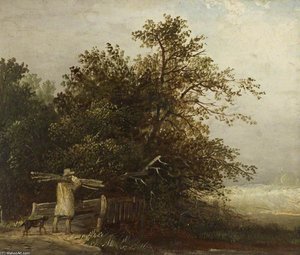
Anglesey AbbeyAnglesey Abbey 3 Mother And Child On A Track By A Coppice, A Country Lane, A Man Crossing A Bridge Carrying A Bundle Of Sticks
Atlanta Contemporary, AtlantaAtlanta Contemporary Atlanta 1 Spectacular Captain Soul: CAPTIVES OF THE COSMIC MAYFLOWER, Chapter 1

Edward Charles Williamsの絵画:ギャラリーの回答

Edward Charles Williamsの作品の中で、最も有名な絵画は何ですか?答えを見る

A Gypsy Encampment。続いてA Tranquil Backwater、The Encampmentが続きます。

Edward Charles Williamsの代表的な絵画トップ10は?答えを見る

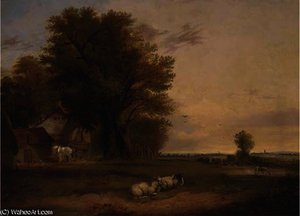
A Gypsy Encampment, A Tranquil Backwater, The Encampment, Landscape -, Mother And Child On A Track By A Coppice, Spectacular Captain Soul: CAPTIVES OF THE COSMIC MAYFLOWER, Chapter 1, Noon Day Rest, Figures By A Cottage, Landscape と A Village In The New Forest。上記のランキングには、それぞれの制作年と所蔵美術館が記載されています。

Edward Charles Williamsの作品数は?答えを見る

当カタログにはEdward Charles Williamsによる作品が38点ございます。

Edward Charles Williamsの最も有名なオリジナル作品はどこに展示されていますか?答えを見る

主にAnglesey Abbey と Atlanta Contemporary (Atlanta)に所蔵されています。上記の美術館一覧にすべて記載されています。

Edward Charles Williams が最も多く描いた主題は何ですか?答えを見る

このページに掲載されている37点の作品におけるLandscape (12), Cottages (6) と Wood (5)

Anglesey Abbeyが所蔵するEdward Charles Williamsのオリジナル作品は何ですか?答えを見る

Mother And Child On A Track By A Coppice, A Country Lane と A Man Crossing A Bridge Carrying A Bundle Of Sticks:Anglesey Abbeyには、このページに掲載されている作品のうち3点が所蔵されています。

Edward Charles Williams:アーティスト

Edward Charles Williams: A Tranquil Vision of Victorian England

Edward Charles Williams (1807 – 1881) stands as a prominent figure within the Williams family of painters—a lineage celebrated for its dedication to capturing the serene beauty of rural landscapes during the Victorian era. Unlike many artists of his time consumed by grand narratives or dramatic portraits, Williams focused intently on portraying the quiet dignity of English countryside, establishing himself as one of the foremost practitioners of this distinctive artistic style. His work reflects not only technical mastery but also a profound sensitivity to atmosphere and light—elements that continue to resonate with viewers today.
  • Early Life & Family: Born in London, Williams’s artistic inclination stemmed from his father, Edward Williams (1781–1855), who himself was a respected landscape painter. This familial connection instilled within him a deep appreciation for the art form and fostered an unwavering commitment to its pursuit. Despite lacking formal instruction beyond his father's tutelage, Williams absorbed invaluable knowledge through observation and practice—a testament to the enduring power of mentorship.
  • Style & Technique: Williams’s artistic style is characterized by meticulous detail and a masterful use of glazing techniques—methods employed by his father and subsequently adopted by him. These techniques allowed for subtle gradations of color, creating luminous effects that conveyed an unparalleled sense of realism. His canvases depict scenes of Cumberland, Kent, Surrey and the Thames with remarkable accuracy, capturing not merely visual appearances but also the intangible qualities of light and air.
  • Notable Works: Among Williams’s most celebrated paintings are “Mother And Child On A Track By A Coppice,” “Barges on the Thames at Dusk, With Windsor Castle Beyond” and “Springer in The Bracken.” Each piece exemplifies his signature style—a harmonious blend of observation, draughtsmanship, and atmospheric rendering. Sadly, three of these works remain unaccounted for after World War II, highlighting the fragility of artistic heritage.
  • Influence & Legacy: Williams’s contribution to landscape painting is undeniable. He helped solidify the Barnes School tradition—a movement that championed a particular aesthetic rooted in Dutch landscape art—and his paintings continue to inspire admiration for their understated elegance and profound connection to the natural world. His dedication to capturing the essence of rural England cemented his place as one of the most influential artists of his era.

Collaborations & Family Life

Williams’s artistic endeavors extended beyond solitary pursuits; he engaged in fruitful collaborations with fellow artist William Shayer, where he would meticulously render the landscape while Shayer skillfully incorporated figures and animals into the composition—a technique that further enriched his artistic vision. His personal life was marked by marriage to Mary Ann Challenger in 1839, followed by the birth of their daughter Alice Williams shortly thereafter. Despite experiencing tragedy with Mary Ann’s untimely death in 1857, Williams persevered and married Sarah Susanna Horley ten years later—establishing a stable family unit that nurtured his artistic creativity.

Later Years & Artistic Evolution

Following the loss of his second wife, Williams experienced a notable shift in his artistic focus—moving away from expansive vistas towards smaller canvases depicting intimate scenes of domestic life. These paintings reflect a contemplative mood and convey a palpable sense of melancholy—a characteristic that has fueled ongoing scholarly debate regarding the psychological undercurrents informing his oeuvre. The disappearance of three of his later works underscores the challenges faced by preserving artistic treasures amidst turbulent historical periods.

Recognition & Enduring Appeal

Williams’s paintings are now highly sought after by collectors and museums alike—a testament to their enduring aesthetic qualities and their ability to evoke a timeless appreciation for the beauty of rural England. His meticulous draughtsmanship, combined with his masterful use of glazing techniques, ensures that his landscapes continue to captivate audiences worldwide—solidifying his legacy as one of the most revered artists of the Victorian era.