A Life Illuminated: The Art of Corita Kent
Born Frances Elizabeth Kent in 1918, the artist known as Corita Kent emerged from a humble upbringing in Fort Dodge, Iowa, to become one of the most vibrant and socially conscious voices in American
Pop Art. Her journey was anything but conventional; at eighteen, she entered the Sisters of the Immaculate Heart of Mary, taking the name Sister Mary Corita and dedicating her life to both faith and artistic expression. This unique intersection would define her work for decades, imbuing it with a powerful blend of spiritual devotion and progressive
social commentary. Corita’s early education at Immaculate Heart College and later at the University of Southern California provided a foundation in
art history, but it was within the walls of the convent that she truly began to forge her artistic path, initially focusing on religious subjects rendered in dense, medieval-influenced imagery. However, this style would soon undergo a radical transformation.
From Sacred Imagery to Pop Provocations
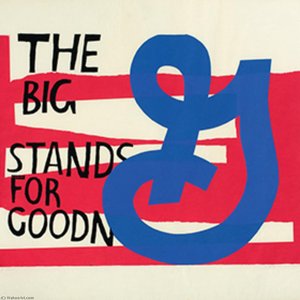
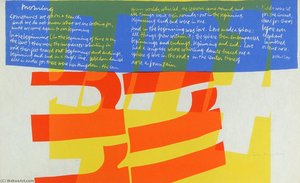
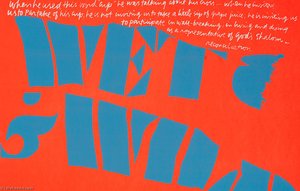
The early 1950s marked a turning point as Corita discovered the possibilities of screen printing – or serigraphy – a technique she embraced with remarkable ingenuity. Largely self-taught, she mastered the complexities of layering colors and creating intricate stencils, often employing up to nineteen or twenty-three shades in a single print. This technical prowess coincided with a shift in her artistic focus. Inspired by the burgeoning
Pop Art movement and influenced by figures like Charles Eames and
Buckminster Fuller, Corita began incorporating elements of popular culture into her work: advertising slogans, song lyrics, imagery from
everyday life. These weren’t mere appropriations; she imbued them with new meaning, transforming commercial messages into meditations on faith, justice, and the
human condition. Her bold typography, vibrant color palettes, and playful use of language became hallmarks of her style, challenging conventional notions of what
religious art could be. The Second Vatican Council played a role in this evolution as well, encouraging greater accessibility and relevance within the Church, a principle Corita wholeheartedly embraced.
A Voice for Social Justice
Corita Kent’s art was never simply aesthetically pleasing; it was deeply engaged with the world around her. As the 1960s unfolded, her work became increasingly political, addressing pressing social issues such as the Vietnam War and humanitarian crises with directness and compassion. She didn't shy away from controversy, using her art to advocate for peace, equality, and an end to injustice. This commitment brought her widespread recognition, culminating in a 1967 cover feature in *Newsweek* magazine – a remarkable achievement for a nun artist. Commissions followed, including designs for the 1964
New York World’s Fair, IBM Christmas displays, and Westinghouse. Perhaps her most iconic contribution to American culture was the “
Love” stamp designed for the United States Postal Service in 1985. This simple yet powerful image sold over 700 million copies, spreading a message of unity and hope across the nation. Another monumental work, the "Rainbow Swash" mural painted on a natural gas storage tank in Boston, remains the largest copyrighted artwork in the world – a testament to her ability to transform industrial landscapes into spaces of beauty and inspiration.
Legacy of Faith, Art, and Activism
Increasing tensions with church leadership ultimately led Corita to leave the Sisters of the Immaculate Heart in 1968, relocating to Boston where she continued to create art, focusing on
watercolor painting alongside her printmaking. Though diagnosed with cancer in 1974, she remained artistically active until her death in 1986. Her final act was a testament to her enduring commitment to the community that had nurtured her: she bequeathed all copyrights and unsold works to the Immaculate Heart College community. Today, Corita Kent is recognized as a pioneer of
Pop Art, a visionary who seamlessly blended faith,
social justice, and bold design. Her work continues to inspire artists and designers, reminding us of the power of art to challenge, uplift, and transform the world. She demonstrated that art could be both deeply personal and profoundly political, accessible to all while remaining intellectually stimulating.
Corita Kent’s legacy is a vibrant reminder that love truly can conquer all.
Influences and Lasting Impact
- Art Historian Dr. Alois Schardt: Provided intellectual guidance and encouragement during her artistic development.
- Pop Art Movement: Inspired her incorporation of popular imagery and advertising techniques into her work.
- Vatican II: Influenced her desire to make art more accessible and relevant to the public.
- Social Activism: Fueled her commitment to addressing social issues through her art, particularly during the Vietnam War era.