八大山人の肖像画

ギャラリー厳選、八大山人による最も有名な41の絵画

10月 2026 更新 · 当サイトの人気スコア(各作品の検索数、閲覧数、注文数)に基づくランキング · 42点の 八大山人の作品がカタログにあります

要約すると

八大山人が遺したオリジナル作品の中で最も有名なものは、メルボルンの国立ギャラリー・オブ・ビクトリアに収蔵されているLandscape in the style of Wu Zhen, (1280-1354) (1696)です。 それに次いで、Duck on a Branch (1691)とLandscape (1698)が続きます。 八大山人による42点の作品をカタログに掲載しています。当ギャラリーでは、世界が称賛する41点を選定し、制作年、所蔵美術館、そしてその背景にある物語とともにご紹介しています。

1626 – 1705, 新安区 最多収蔵館: メトロポリタン美術館

八大山人の代表作10選:ギャラリー厳選の作品集

1
Landscape in the style of Wu Zhen, (1280-1354) (1696) による 八大山人

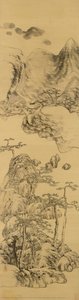
Landscape in the style of Wu Zhen, (1280-1354)

1696 · Ink · 国立ギャラリー・オブ・ビクトリア, メルボルン

In this landscape, we encounter a world where the physical and the spiritual are indistinguishable. Painted around 1696, this work reflects a profound engagement with the traditions of the Yuan dynasty, specifically the approach of Wu Zhen. The composition does not seek to document a specific place, but rather to map the interior terrain of the artist. There is a deliberate absence of human presence, leaving the viewer alone with…

3
Landscape (1698) による 八大山人

Landscape

1698

Bada Shanren rarely painted landscapes until he was nearly seventy years old, but as this album attests, he became a great master in this genre during the last decade of his life. These remarkably varied compositions reveal extraordinary sensitivity to the graphic function of negative space. Rocks are often modeled in faceted planes, while the expressive rendering of intersecting trees reveal the artist’s calligraphic sophistication. Bada’s primary inspiration for his…

八大山人のセレクションが続きます、11から41まで

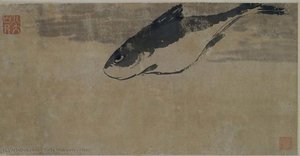
11Flowers and Insects (1683) による 八大山人Flowers and Insects1683 12Spray of Tuberose (Spray of Fuchia) (1681) による 八大山人Spray of Tuberose (Spray of Fuchia)1681 13Two Twigs of Camellia (Two Twigs of Flowering Fruit) (1681) による 八大山人Two Twigs of Camellia (Two Twigs of Flowering Fruit)1681 14Two Grasshoppers on Lotus Leaves (1681) による 八大山人Two Grasshoppers on Lotus Leaves1681 15Two Grape Leaves (1681) による 八大山人Two Grape Leaves1681 16Lotus and Ducks (1696) による 八大山人Lotus and Ducks1696 · フリーア美術館 17Two Chicks (1694) による 八大山人Two Chicks1694 · Minneapolis Institute of Art 18清 八大山人 (朱耷) 蓮塘戲禽圖 卷 Birds in a lotus pond (1690) による 八大山人清 八大山人 (朱耷) 蓮塘戲禽圖 卷 Birds in a lotus pond1690 · メトロポリタン美術館 19清 朱耷 (八大山人) 倣王羲之 蘭亭序 軸 After Wang Xizhi's (303 361 ) Preface to the Orchid Pavilion Gathering (1694) による 八大山人清 朱耷 (八大山人) 倣王羲之 蘭亭序 軸 After Wang Xizhi's (303 361 ) Preface to the Orchid Pavilion Gathering1694 · メトロポリタン美術館 20清 朱耷 (八大山人) 山水圖 冊 Landscape album (1699) による 八大山人清 朱耷 (八大山人) 山水圖 冊 Landscape album1699 · メトロポリタン美術館 21Landscape in the style of Ni Zan, (1301 1374) (1696) による 八大山人Landscape in the style of Ni Zan, (1301 1374)1696 · The Ian Potter Centre - NGV Australia 22Untitled (D2X7RZ) (1699) による 八大山人Untitled (D2X7RZ)1699 · メトロポリタン美術館 23Landscape in the style of Wu Zhen, (1280 1354) (1696) による 八大山人Landscape in the style of Wu Zhen, (1280 1354)1696 · The Ian Potter Centre - NGV Australia 24Landscape in the style of Wang Meng, (c. 1309 1385) (1696) による 八大山人Landscape in the style of Wang Meng, (c. 1309 1385)1696 · The Ian Potter Centre - NGV Australia 25Cedar Tree, Day Lily, and Wagtails (1700) による 八大山人Cedar Tree, Day Lily, and Wagtails1700 · フリーア美術館 26Mynah Bird on an Old Tree (1703) による 八大山人Mynah Bird on an Old Tree1703 · 故宮博物院 27清 朱耷 (八大山人) 二鷹圖 軸 Two eagles (1702) による 八大山人清 朱耷 (八大山人) 二鷹圖 軸 Two eagles1702 · メトロポリタン美術館 28Fish (601) による 八大山人Fish601 29Podróżni na osiołkach による 八大山人Podróżni na osiołkachワルシャワ国立博物館 30Landscape in the style of Huang Gongwang, (1269-1354) (1664) による 八大山人Landscape in the style of Huang Gongwang, (1269-1354)1664 · 国立ギャラリー・オブ・ビクトリア 31Landscape in the style of Ni Zan, (1301-1374) (1696) による 八大山人Landscape in the style of Ni Zan, (1301-1374)1696 · 国立ギャラリー・オブ・ビクトリア 32Landscape in the style of Wang Meng, (c. 1309-1385) (1696) による 八大山人Landscape in the style of Wang Meng, (c. 1309-1385)1696 · 国立ギャラリー・オブ・ビクトリア 33twelve egrets in marsh grasses による 八大山人twelve egrets in marsh grassesインディアナポリス美術館 34SEASCAPE WITH TREE AND BOAT による 八大山人SEASCAPE WITH TREE AND BOATハーバード美術館 35SUMI ALBUM LEAF OF THREE LOTUS FLOWERS による 八大山人SUMI ALBUM LEAF OF THREE LOTUS FLOWERSハーバード美術館 36Birds, in Qing style による 八大山人Birds, in Qing style 37Bird on Rock, in Qing style による 八大山人Bird on Rock, in Qing style 38BIRD AND CHRYSANTHEMUM による 八大山人BIRD AND CHRYSANTHEMUM 39Album による 八大山人Albumメトロポリタン美術館 40PINE TREE AND ROCK による 八大山人PINE TREE AND ROCK 41Lotus and Birds による 八大山人Lotus and BirdsChina Modern and Contemporary Art Document Research Center

八大山人が心を惹かれた主題

これらのオリジナル作品に繰り返し描かれている4つの主題と、それぞれの最高傑作。

八大山人の原画を所蔵する美術館

このページに掲載されている絵画を最も多く所蔵している 8 の美術館

美術館 都市 八大山人の作品 このリストの絵画
メトロポリタン美術館, ニューヨークメトロポリタン美術館 ニューヨーク 6 清 八大山人 (朱耷) 蓮塘戲禽圖 卷 Birds in a lotus pond, 清 朱耷 (八大山人) 倣王羲之 蘭亭序 軸 After Wang Xizhi's (303 361 ) Preface to the Orchid Pavilion Gathering, 清 朱耷 (八大山人) 山水圖 冊 Landscape album
国立ギャラリー・オブ・ビクトリア, メルボルン国立ギャラリー・オブ・ビクトリア メルボルン 4 Landscape in the style of Wu Zhen, (1280-1354), Landscape in the style of Huang Gongwang, (1269-1354), Landscape in the style of Ni Zan, (1301-1374)
The Ian Potter Centre - NGV Australia, メルボルンThe Ian Potter Centre - NGV Australia メルボルン 4 Landscape in the style of Huang Gongwang, (1269 1354), Landscape in the style of Ni Zan, (1301 1374), Landscape in the style of Wu Zhen, (1280 1354)
クリーブランド美術館, クリーブランドクリーブランド美術館 クリーブランド 2 Fish and Rocks, Landscape after Guo Zhongshu
フリーア美術館, Washington, D.C.フリーア美術館 Washington, D.C. 2 Lotus and Ducks, Cedar Tree, Day Lily, and Wagtails
ハーバード美術館, ケンブリッジハーバード美術館 ケンブリッジ 2 SEASCAPE WITH TREE AND BOAT, SUMI ALBUM LEAF OF THREE LOTUS FLOWERS
Minneapolis Institute of Art, ミネアポリスMinneapolis Institute of Art ミネアポリス 1 Two Chicks
故宮博物院, 北京故宮博物院 北京 1 Mynah Bird on an Old Tree

八大山人の年代別名作:各時代を象徴するオリジナル作品

年代別作品数

その時代を象徴する名作を見るために、年代を選択してください。

八大山人の絵画に関するコレクターからの質問

八大山人の代表作は何ですか?答えを見る

Landscape in the style of Wu Zhen, (1280-1354) (1696)(国立ギャラリー・オブ・ビクトリア, メルボルン)。次いでDuck on a Branch (1691)、Landscape (1698)が続きます。

Landscape in the style of Wu Zhen, (1280-1354)が制作されたとき、八大山人は何歳でしたか?答えを見る

70歳:Landscape in the style of Wu Zhen, (1280-1354)は1696年の作品で、八大山人の生年は1626年です。

八大山人の最も有名な10作品とは?答えを見る

Landscape in the style of Wu Zhen, (1280-1354), Duck on a Branch, Landscape, Fish and Rocks, Landscape in the style of Huang Gongwang, (1269 1354), Landscape after Guo Zhongshu, Spray of Hibiscus (Spray of Flowering Shrub), Plant (Bird of Paradise), Branch of Hydrangea と Spray of Water Weed and Two Insects。上記のランキングには、それぞれの制作年と所蔵美術館が記載されています。

八大山人が遺した作品数は?答えを見る

当カタログには、1664年から1703年にかけて制作された八大山人による42点の作品が収められています。

八大山人の名作は、どの美術館に収蔵されていますか?答えを見る

主にメトロポリタン美術館 (ニューヨーク), 国立ギャラリー・オブ・ビクトリア (メルボルン) と The Ian Potter Centre - NGV Australia (メルボルン)に所蔵されています。上記の美術館一覧にすべて記載されています。

八大山人が最も有名な作品を多く描いたのは何年ですか?答えを見る

1690s年:このページにある全41作品のうち、14作品がその時期に制作されました。そのうちLandscape in the style of Wu Zhen, (1280-1354)作品が含まれます。

八大山人による最初と最後の代表的なオリジナル作品は何ですか?答えを見る

このページでは、最も古い作品はLandscape in the style of Huang Gongwang, (1269 1354) (1664)、最新の作品はMynah Bird on an Old Tree (1703)です。

八大山人 が最も多く描いた主題は何ですか?答えを見る

このページに掲載されている41点の作品におけるMountains (2), Rocks (2) と Landscape (2)

メトロポリタン美術館にはどの八大山人の作品が展示されていますか?答えを見る

清 八大山人 (朱耷) 蓮塘戲禽圖 卷 Birds in a lotus pond, 清 朱耷 (八大山人) 倣王羲之 蘭亭序 軸 After Wang Xizhi's (303 361 ) Preface to the Orchid Pavilion Gathering と 清 朱耷 (八大山人) 山水圖 冊 Landscape album:メトロポリタン美術館, ニューヨークには、このページに掲載されている作品のうち6点が所蔵されています。

八大山人:生涯と作品

The Enigmatic Eight Mountain Man: A Legacy of Resilience

Zhu Da, known to history by the evocative pen name Bada Shanren, remains one of the most profound and enigmatic figures in the annals of Chinese art. Born around 1626 during the twilight of the Ming Dynasty, his life was inextricably woven into the violent tapestry of dynastic transition. As a member of the imperial House of Zhu, he lived under the shadow of political upheaval; the fall of the Ming to the Qing forces meant that his very lineage was marked for destruction. This period of profound instability did more than just shape his biography; it forged the very soul of his artistry. To escape the purges that claimed his kin, Zhu Da sought refuge within the quietude of Buddhist monasteries, spending thirty years as a monk. It was in this contemplative isolation, amidst the teachings of Zen Buddhism, that he developed the spiritual depth and the minimalist aesthetic that would later revolutionize Chinese ink wash painting.

A Vision of Minimalist Mastery

The artistry of Bada Shanren is characterized by an unprecedented economy of means, a style that many contemporary scholars view as a precursor to modern minimalism. Unlike the meticulous and often crowded compositions of his predecessors, Barga’s work breathes through vast, intentional voids. He mastered the art of leaving space empty, using the white of the paper not merely as a background, but as an active participant in the composition—representing mist, water, or the infinite silence of the mind. His brushwork was both decisive and deceptively simple, capable of conveying intense emotion through a single, sweeping stroke. Whether depicting a solitary rock or a cluster of reeds, his focus remained steadfastly on capturing the essence rather than the literal form, prioritizing the transmission of mood and atmosphere over decorative detail.

Symbolism and the Silent Protest

Beyond the technical brilliance of his landscapes and calligraphy, Bada Shanren’s work is celebrated for its poignant, often biting, use of metaphor. His most famous subjects—enigmatic birds and fish—are far from mere studies of nature. Many art historians interpret his "mocking birds," with their wide-eyed, almost disdainful stares, as subtle political allegories. These creatures, appearing solitary and defiant amidst a desolate landscape, are believed to reflect the artist's own feelings of displacement and his silent protest against the new Qing regime. This layer of hidden meaning transforms his paintings from simple naturalistic observations into profound psychological portraits of a scholar-artist navigating a world in flux. His later landscapes, which drew inspiration from the great Yuan dynasty masters like Ni Zan, further expanded his repertoire, blending classical reverence with his unique, idiosyncratic spirit.

Historical Significance and Enduring Influence

The historical significance of Bada Shanren lies in his ability to bridge the gap between the classical traditions of the past and a new, more expressive way of seeing. By integrating the spiritual discipline of Zen with the political trauma of his era, he created a visual language that was both deeply personal and universally resonant. His influence can be traced through centuries of Chinese ink painting, where his approach to space, subject, and symbolism continues to inspire artists seeking to express the profound through the minimal. Today, he is remembered not just as a painter of landscapes or birds, but as a master of the "unspoken," an artist who found a way to speak volumes through the quietest of strokes and the most profound of silences.