A Unique Journey Through Medical History: Exploring the Währingerstrasse Museum
The Währingerstrasse Museum in Vienna isn’t merely a repository of artifacts; it's an immersive experience transporting visitors back to the formative decades of medical science and artistic innovation. Situated on Schönbrunnstraße, nestled amongst Vienna’s verdant parks – easily accessible via Volkoper station (a charming Habsburg legacy!) – this museum distinguishes itself through its singular focus: illuminating the intersection between anatomical study, artistic representation, and cultural influence. Its location contributes to a rich Viennese aesthetic tradition, mirroring the grandeur of imperial palaces and fostering connections with prominent figures who shaped European thought.
Collection Highlights: Anatomical Precision & Artistic Expression
At the heart of the Währingerstrasse Museum’s appeal lies its extraordinary collection of anatomical wax models crafted during the late 18th and early 19th centuries. These meticulously detailed sculptures represent a pivotal moment in medical education, mirroring the scientific rigor championed by figures like Josef Florian Ritter von Müller – whose pioneering research into inflammation revolutionized surgical practice. The artistry displayed isn’t simply decorative; it embodies the commitment to accurate observation and representation that characterized Viennese artistic circles at the time. Consider the influence of Wiener Werkstätte artists—particularly Koloman Moser—whose aesthetic sensibilities permeated the museum's visual landscape, reflecting a broader embrace of geometric forms and muted palettes characteristic of Art Deco. The models themselves stand as tangible reminders of Vienna’s dedication to scientific advancement during an era defined by Enlightenment ideals – a testament to the enduring power of artistic precision in conveying complex anatomical concepts.
Vienna’s Imperial Legacy & Architectural Significance
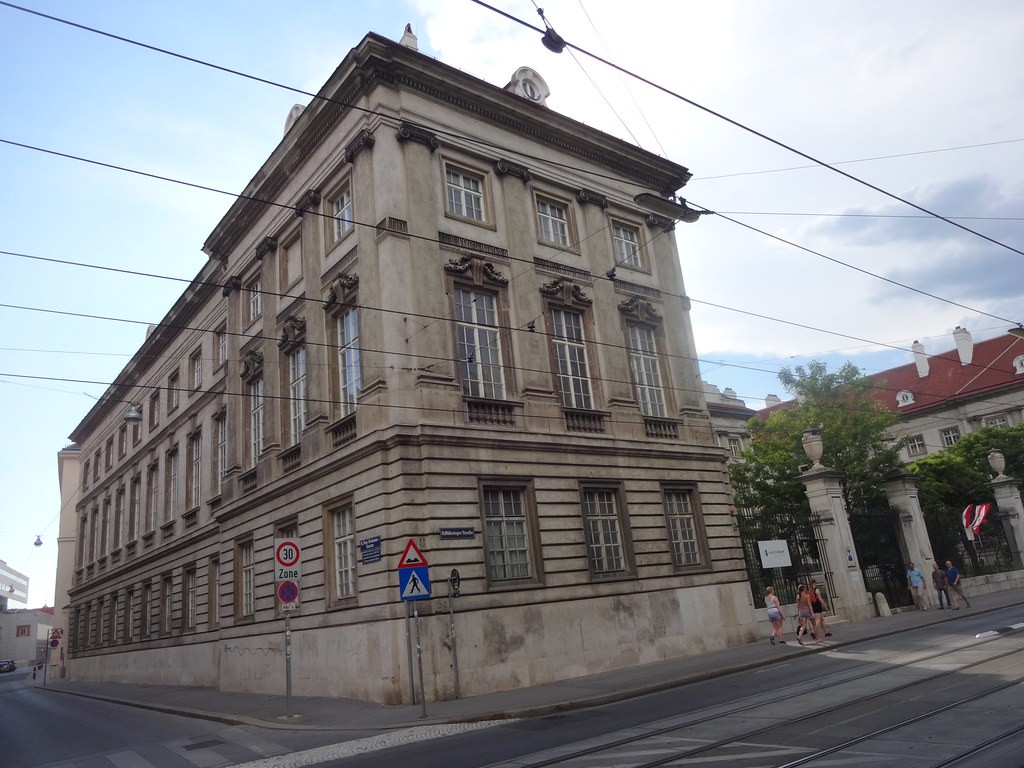
The Josephinum building itself—now housing the museum—holds immense historical weight, originating as part of the military academy established during Napoleon's invasion of Austria. Its Neo-Classical design reflects Vienna’s ambition to uphold imperial grandeur and symbolizes the city’s role as a center for diplomacy and artistic patronage. The façade exudes elegance and symmetry, echoing the architectural principles favored by Habsburg rulers—a deliberate choice intended to inspire awe and convey stability amidst turbulent geopolitical circumstances. Today, it continues to serve both as a museum and an educational institution, preserving not only historical objects but also fostering intellectual curiosity—a tradition that resonates deeply within Vienna’s cultural DNA.
Faces of Genius: Freud & Beethoven – Beyond the Skull
Adding another layer to the museum's narrative is its exploration of two figures who profoundly shaped Viennese intellectual life: Sigmund Freud and Ludwig van Beethoven. Visitors can examine personal belongings associated with Freud—a poignant reminder of Vienna’s role as a crucible for psychoanalytic theory—and contemplate the enduring enigma surrounding Beethoven’s death. Perhaps most captivating is the museum's display on Beethoven’s skull – a controversial item sparking ongoing debate about his cause of mortality and prompting reflection on the intersection between science and artistic biography. This exhibit underscores Vienna’s reputation as a city that nurtured groundbreaking ideas and celebrated exceptional talent—a legacy that continues to inspire artists and scholars alike.
A Taste of Royalty: Sisi & Viennese Ceramics
The museum's commitment extends beyond scientific inquiry; it delves into the opulent world of Empress Elisabeth of Austria (Sisi), whose influence permeated Viennese society during her reign. Artifacts related to Sisi—including exquisite Viennese ceramics produced by Kaiserlich privilegierte porcellain fabrique – illuminate Vienna’s artistic prowess and showcase the enduring appeal of Viennese craftsmanship. These pieces exemplify the meticulous attention to detail and refined aesthetic sensibilities that defined Viennese design culture, cementing the Währingerstrasse Museum's place as a cornerstone of Austrian cultural heritage.
What Sets It Apart: Storytelling Through Objects
Ultimately, what distinguishes the Währingerstrasse Museum is its dedication to storytelling—transforming static objects into windows onto history and intellectual discourse. Unlike conventional museums prioritizing simply showcasing artifacts, this institution strives to convey the broader context in which these items were created and utilized, fostering a deeper understanding of their significance within Vienna’s cultural landscape. It's an invitation to contemplate not only scientific advancements but also artistic expression and the enduring legacy of influential figures—a truly unforgettable journey for anyone interested in exploring the multifaceted tapestry of Viennese history and art.