Scopri Charles Neilson (1889-1916), artista scozzese e calciatore! Ammira i suoi paesaggi espressivi del primo Novecento britannico, tra cui 'Untitled' e 'Aberdeen Landscape'. Un toccante ricordo tagliato brevemente dalla Prima Guerra Mondiale.
Fat White Family: Band australiana che fonde sperimentazione sonora e umor nero, celebre per album come Champagne Holocaust e Serfs Up!, esplora temi sociali complessi con stile unico e provocatorio.
La Vivekananda House si erge come una testimonianza della duratura tradizione spirituale dell'India e della sua capacità di abbracciare l'innovazione moderna. Situato lungo la Marina Beach Road a Chennai, questo museo non è un semplice deposito di reperti; è un'esperienza immersiva progettata per trasportare i visitatori nel 1897, l'anno in cui Swami Vivekananda tornò dal suo viaggio trasformativo in America ed Europa, affermandosi come figura cruciale nella rinascita dell'Induismo a livello globale. Originariamente concepito nel 1842 da Frederic Tudor come un deposito di ghiaccio, l'edificio ha vissuto una metamorfosi straordinaria, trasformandosi in una residenza e in un santuario spirituale sotto il patrocinio di Biligiri Iyengar, culminando nella sua rinomina ufficiale come Vivekanandar Illam nel 1963 per onorare l'eredità di Vivekananda.
Un Viaggio nel Tempo: Radici Architettoniche e Significato Storico
L'architettura dell'era coloniale dell'edificio, caratterizzata da un design funzionale che si fonde con un'eleganza estetica, riflette le influenze della visione di Tudor per una struttura pratica adattata al clima di Chennai. Tuttavia, la sua vera importanza risiede nel ruolo di dimora di Vivekananda durante il suo storico soggiorno. Questo periodo consolidò la sua influenza sul pensiero indiano e diede impulso al nascente movimento di rinascita induista. Oggi, esso funge da meta di pellegrinaggio sia per i devoti che per gli studiosi, favorendo un dialogo profondo sulla spiritualità e sulla comprensione culturale.
I Tesori della Collezione: Illuminare la Vita di Vivekananda
La collezione del museo offre uno sguardo affascinante sulla vita e sulle aspirazioni intellettuali di Vivekananda. I visitatori possono meravigliarsi di fronte a fotografie che documentano i suoi viaggi attraverso i continenti – dall'America al Giappone – catturando il fervore dei suoi discorsi e l'ampiezza delle sue esplorazioni. Accanto a questi documenti visivi, si trovano manufatti che narrano il suo percorso spirituale, inclusi manoscritti che dettagliano le sue meditazioni e riflessioni sulla filosofia induista. Inoltre, le esposizioni approfondiscono la cultura indiana, esplorando le pratiche dello yoga e le tecniche meditative promosse dallo stesso Vivekananda.
Innovazione nella Conservazione: Esperienze in VR e AR
Ciò che distingue la Vivekananda House dai musei convenzionali è il suo impegno nel coinvolgere i visitatori attraverso tecnologie all'avanguardia. Le applicazioni di Realtà Virtuale (VR) e Realtà Aumentata (AR) permettono agli ospiti di entrare nel mondo di Vivekananda, ricostruendo le sue stanze e ricreando momenti cruciali della sua vita: un incontro davvero indimenticabile per chiunque sia interessato alla storia spirituale. I curatori del museo fondono con maestria la narrazione tradizionale con strumenti contemporanei, assicurando che il messaggio di Vivekananda risuoni con forza attraverso le generazioni.
Oltre le Mura: Ispirazione per l'Interior Design
L'atmosfera serena di Vivekanandar Illam – la sua posizione sulla Marina Beach Road e il suo stile architettonico sobrio – rappresenta una potente fonte di ispirazione per i designer d'interni che cercano di creare spazi intrisi di tranquillità e contemplazione. Si può considerare l'integrazione di materiali naturali, palette di colori tenui che ricordano l'ambiente meditativo di Vivekananda ed elementi che evocano lo spirito della spiritualità indiana. Proprio come le pitture evocative esposte in istituzioni simili — come la
Casa di Vincent
ad Arles o
Una casa illuminata dalla luna su un fiume
, e la
Casa su un fiume
di Egon Schiele — la Vivekananda House incoraggia i visitatori a esplorazione temi di introspezione e visione artistica.
A cura del team editoriale di OriginalUniqueArt.com
Quiz d'arte
Per ogni domanda è presente una sola risposta corretta.
Domanda 1:
A cosa è dedicata principalmente la Vivekananda House?
Domanda 2:
Dove soggiornò celebremente Swami Vivekananda al suo ritorno dai suoi viaggi?
Domanda 3:
Quale stile architettonico caratterizza la Vivekananda House?
Domanda 4:
La Vivekananda House utilizza tecnologie avanzate come VR e AR per migliorare l'esperienza dei visitatori. Qual è il suo obiettivo principale?
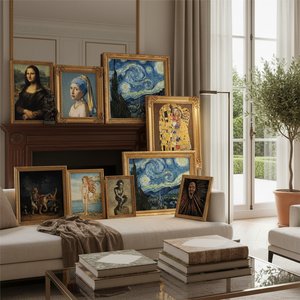
Scopri i 10 capolavori classici dell'arte che evocano eleganza e bellezza senza tempo. Da Leonardo a Van Gogh, esplora storie, tecniche e colori iconici. Trova stampe su tela di alta qualità per la tua casa su !
Esplora i 25 capolavori di Nicholas Roerich: un viaggio tra simbolismo russo e misticismo himalayano. Scopri la storia e la tecnica dietro ogni opera iconica e trova riproduzioni d'arte di qualità museale per il tuo arredamento su OriginalUniqueArt.com. Esplora l'intera collezione online.
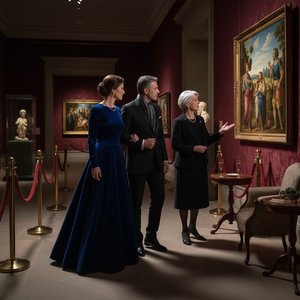
Scopri l'essenza dell'esclusività con la nostra guida ai tour privati nei musei più prestigiosi. Un viaggio sensoriale tra capolavori e mecenatismo, pensato per il collezionista che cerca un accesso privilegiato alla bellezza senza tempo e al cuore della storia dell'arte.