A Celestial Canvas Within Vatican Walls: Exploring the Torre dei Venti
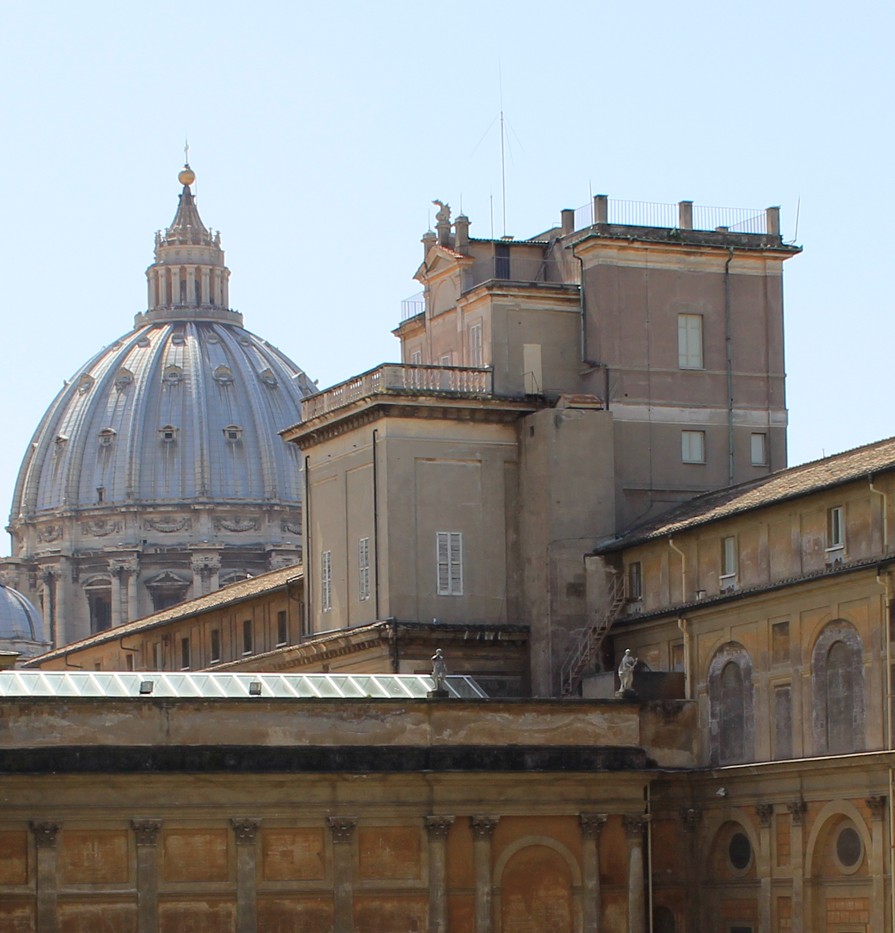
The Torre dei Venti—Tower of Winds—stands as a singular beacon within the heart of Vatican City, Italy, an edifice that transcends mere architectural grandeur to embody a pivotal moment in European intellectual history. Constructed during the reign of Pope Gregory XIII in 1582, this tower isn’t simply a picturesque vista overlooking Rome; it's a tangible testament to the audacious ambition of reconciling faith and reason—a daring endeavor reflected in its breathtaking frescoes and meticulously crafted astronomical instruments. More than just a museum piece, it represents an extraordinary intersection between artistic brilliance and scientific innovation.
Architectural Harmony: A Roman Echo
The tower’s design speaks volumes about the Renaissance spirit. Built by Ottaviano Mascherino—also responsible for designing the Apostolic Palace—it adheres to classical architectural principles, utilizing arches and Corinthian columns to evoke the grandeur of ancient Rome. This deliberate stylistic choice underscores the humanist conviction that beauty could inspire contemplation and elevate human understanding—a sentiment powerfully expressed in every stone of its structure. Its cylindrical form is reinforced with arches, creating a harmonious balance between strength and elegance, mirroring the enduring legacy of Roman architectural mastery.
The Meridian Hall: A Window to Celestial Observation
At the tower’s core resides the Sala Meridiana—Meridian Hall—a space dedicated to astronomical observation that exemplifies the fervor for scientific inquiry during the Renaissance. Installed in 1580 by Egnazio Danti, papal cosmographer and a key figure in the Gregorian Calendar Reform commission, this hall houses a magnificent bronze astrolabe and sundial—instruments designed to precisely measure celestial movements. The frescoes adorning the walls depict idealized landscapes inspired by Roman countryside vistas, reflecting the humanist preoccupation with capturing beauty and harmony in nature. These images are not merely decorative; they serve as visual reminders of the broader intellectual landscape of the era—a testament to the belief that observation and contemplation could illuminate the divine order of the cosmos.
Frescoes: Raphael’s Divine Vision
The Torre dei Venti is renowned for its stunning frescoes executed by Flemish masters Matthijs Bril and Paul Bril between 1580 and 1582—a collaborative effort that cemented Vatican City's reputation as a center of artistic excellence. These artworks are dominated by Raphael’s masterful compositions, including “The Transfiguration,” “Madonna with the Baldachino (detail),” and “Study for St. Paul Preaching in Athens.” Raphael’s unparalleled skill in perspective and color—traits characteristic of High Renaissance art—transforms the Sala Meridiana into a visual feast, inviting viewers to immerse themselves in scenes from biblical narratives and allegorical representations of the winds. Each panel is imbued with symbolic meaning, reflecting the humanist conviction that art could elevate human consciousness and inspire spiritual contemplation.
A Legacy Illuminated: Exhibitions and Reproductions
Throughout its history, the Torre dei Venti has hosted exhibitions exploring connections between Renaissance art and scientific thought—demonstrating how artistic creativity and intellectual curiosity often fueled each other’s advancement. Recent displays have captivated audiences with reproductions of Raphael's paintings alongside detailed reconstructions of astronomical instruments, prompting visitors to reconsider conventional interpretations of cultural developments. Today, you can experience the splendor of Vatican City’s artistic heritage firsthand through high-quality reproductions available on OriginalUniqueArt.com—a chance to bring a piece of this extraordinary museum into your home and appreciate the enduring legacy of Torre dei Venti.
What Makes It Unique?
The Torre dei Venti distinguishes itself from other Vatican museums by its singular ability to communicate an intellectual dialogue between art and science—a testament to the Renaissance spirit’s conviction that beauty could inspire contemplation and elevate human understanding. Its harmonious architecture, coupled with Raphael's luminous frescoes and the Sala Meridiana’s instruments of celestial observation, creates a sensory experience unlike any other—a reminder that progress in both disciplines can enrich our appreciation for the grandeur of creation.