

Surrey Archaeological Society: Unveiling Surrey’s Past
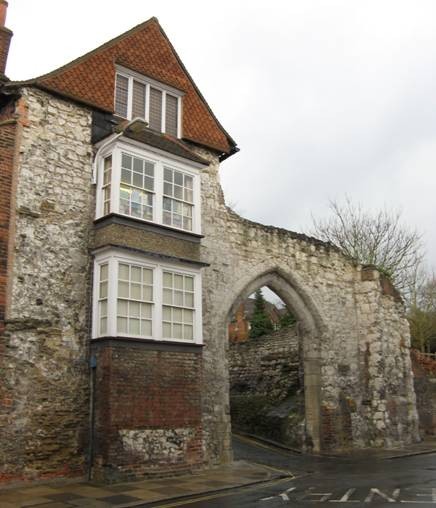
The Surrey Archaeological Society (SAS), founded in 1854, stands as a beacon of scholarly dedication to the exploration and preservation of Surrey’s rich heritage. Situated within Castle Arch, Guildford—a building itself steeped in history—the Society serves not merely as an institution but as a vibrant gateway into understanding the evolving narrative of this captivating county. Its mission transcends simple cataloguing; it strives to breathe life back into forgotten stories and illuminate connections between past and present.- Specializations & Notable Aspects: The SAS distinguishes itself through its meticulous research into Surrey’s archaeological record, spanning from prehistoric flint tools to the grandeur of Roman villas and the intricate artistry of medieval churches. Beyond excavation documentation—a cornerstone of their work—they champion public engagement—through lectures, workshops, and collaborative projects with universities and museums—ensuring that discoveries resonate with local communities and inspire future generations of scholars.
- Collection Highlights: At Guildford Museum, housed within Castle Arch’s imposing walls, visitors encounter a remarkable assemblage of artifacts reflecting Surrey’s diverse past. Notably prominent are the meticulously reconstructed Roman villas – testament to Surrey's pivotal role in imperial Britain—their terracotta roofs mirroring the sun-drenched hillsides of Surrey. Alongside these architectural marvels reside displays showcasing medieval ecclesiastical art and decorative arts—illuminated by stained glass windows that cast kaleidoscopic patterns upon ancient stone floors, evoking a sense of timeless beauty. The Society’s library holds invaluable manuscripts documenting local folklore and social history—providing glimpses into the daily lives of Surrey’s inhabitants across centuries.
- History & Architecture: Established with a singular vision—to investigate Surrey’s history and antiquities—the SAS has nurtured its headquarters at Castle Arch for over 160 years. Originally conceived as a modest meeting space, the building evolved into a museum showcasing Surrey's heritage, reflecting the Society’s enduring commitment to scholarly pursuits and public outreach. Constructed in the mid-17th century, Castle Arch exemplifies Tudor architecture—characterized by its symmetrical façade and soaring chimneys—a deliberate choice intended to convey stability and grandeur. The Society’s presence within this historic edifice underscores its unwavering dedication to safeguarding Surrey's cultural legacy for posterity.
- Notable Exhibitions: Throughout its history, the SAS has spearheaded groundbreaking exhibitions exploring diverse facets of Surrey’s past. From “Roman Surrey”—a captivating reconstruction of Roman villas and settlements—to “Medieval Surrey”—featuring illuminated manuscripts and ecclesiastical relics—these events have captivated audiences worldwide. These exhibitions not only illuminate historical narratives but also demonstrate the Society's ability to transform scholarly research into accessible experiences for the public.
- What Makes it Unique: Unlike many regional societies focused solely on academic research, the SAS distinguishes itself through its unwavering commitment to accessibility—its Special Interest Groups foster dialogue between seasoned archaeologists and enthusiastic amateurs alike. Furthermore, its publications—Surrey Archaeological Collections and Surrey's Past—ensure that new discoveries are disseminated widely—enriching our understanding of Surrey’s cultural landscape. The Society’s collaborative partnerships with institutions like the Museum of London Archaeology underscore its dedication to advancing archaeological knowledge—solidifying its position as a leader in preserving Surrey’s heritage for future generations.
The Society’s enduring legacy rests upon a bedrock of collaborative effort and intellectual rigor. Its Special Interest Groups provide a platform for enthusiasts to delve into specific thematic areas – from Medieval Studies to Industrial History—while its publications guarantee that new insights continue to enrich our understanding of Surrey's past.