A Journey Through Time: Exploring Vladimir & Suzdal Museum’s Medieval Legacy
The State Vladimir Museum stands as a beacon of Russian cultural heritage—a testament to the transformative power of art and architecture during the medieval period. Located in Vladimir Oblast, this institution isn't simply showcasing relics; it’s inviting visitors on an unforgettable voyage back to the formative years of Russia, encapsulating within its seven UNESCO World Heritage Sites – Vladimir, Suzdal, Bogolyubovo, Kideksha, Gus Khrustalny, and Muromtsevo—a panorama of artistic brilliance and historical significance.
Architectural Marvels: Echoes of Byzantium and Princely Ambition
The museum’s foundation rests upon a remarkable collection of 64 architectural monuments, each embodying the evolution of Russian building traditions from the XII century onward. Dominating the skyline is the Assumption Cathedral—a masterpiece of Vladimir-Suzdal architecture celebrated for its luminous white stone facade and breathtaking frescoes depicting biblical narratives. These murals, executed with meticulous detail using tempera pigments on wooden panels, exemplify the artistic fervor of the era and offer a poignant glimpse into the spiritual beliefs of medieval Rus’. Equally impressive is the Golden Gate – originally conceived as both a formidable defensive barrier and a potent symbol of princely authority—a tangible reminder of Vladimir’s role as a center of political power during its golden age.
A Kaleidoscope of Medieval Art: Icons, Frescoes, and Decorative Treasures
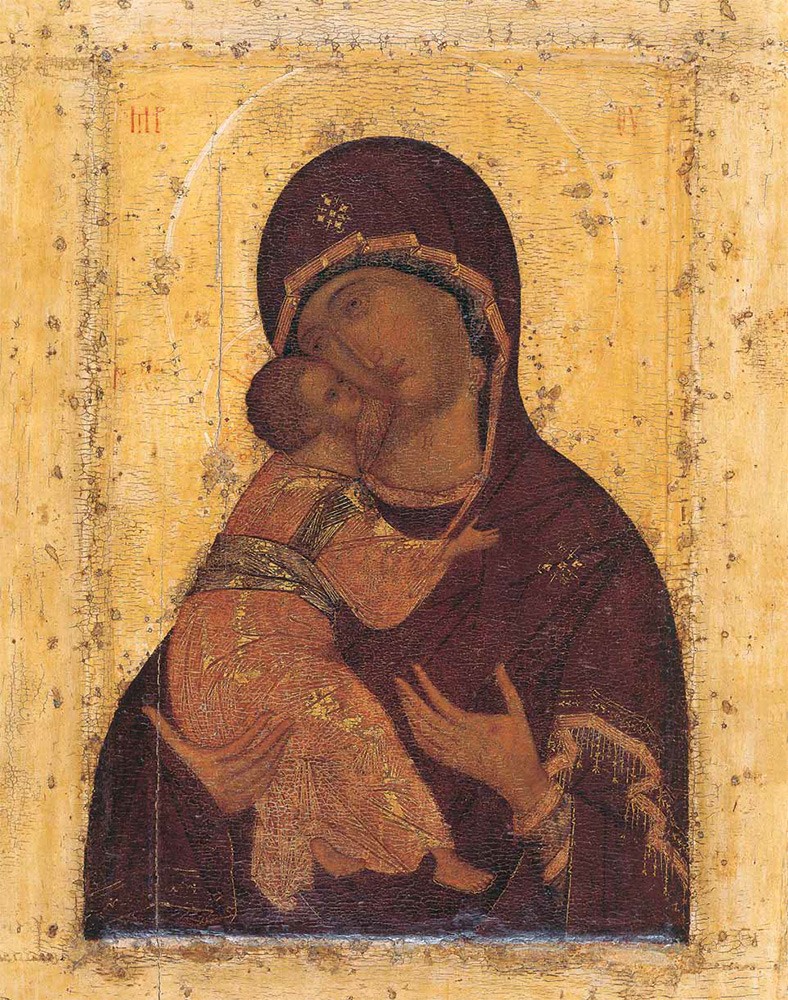
Within the museum's walls reside over 45 exhibitions illuminating the artistic achievements of this pivotal period. The collection boasts an extraordinary array of icons—sacred images crafted by skilled artisans using tempera pigments on wooden panels—preserving vibrant colors and intricate detail for centuries. These icons depict saints and biblical figures, reflecting the Orthodox faith that permeated medieval Russian society. Furthermore, magnificent frescoes adorn cathedral interiors, narrating tales of royal patronage and religious devotion. Beyond these monumental artworks, visitors can admire exquisite decorative arts – ceramics adorned with floral motifs, textiles embellished with gold thread—reflecting the refined tastes of aristocratic families and showcasing the craftsmanship of the time.
Vladimir’s Historical Significance: The Cradle of Northeast Rus’
Vladimir Oblast served as the undisputed heartland of Northeast Rus’ during the XIIth and XIIIth centuries—a period characterized by political consolidation under Yaroslav Vladimirovich (“the Wise”) and a flourishing artistic tradition fueled by royal commissions. This museum meticulously preserves this legacy, presenting visitors with an unparalleled opportunity to comprehend the complex interplay between politics, religion, and culture that shaped Russia's identity. Unlike museums concentrating solely on individual buildings, State Vladimir distinguishes itself through its holistic approach—a deliberate decision to convey a comprehensive understanding of the region’s multifaceted past.
Notable Exhibitions: Unveiling Russian Medieval Culture
The museum’s exhibitions delve into various facets of medieval Russian life—from royal chronicles and illuminated manuscripts to peasant crafts and religious rituals. Visitors can gain insights into the daily routines, social hierarchies, and artistic innovations that defined this era. Special attention is paid to the iconography of icons—analyzing stylistic trends and exploring their symbolic meanings—providing a deeper appreciation for the spiritual values of medieval Rus’.
Why Visit State Vladimir?
A pilgrimage for art enthusiasts and history buffs alike, State Vladimir offers an immersive experience unlike any other. Allow yourself to be transported back in time as you traverse these historic sites—imagining the lives of princes, artisans, and ordinary people who contributed to Russia’s enduring artistic heritage. Prepare to be captivated by the grandeur of Byzantine influences blended with indigenous traditions—a journey that will resonate long after you depart its walls.