SS. Martino & Vittorio: A Symphony of Faith and Artistic Legacy
Nestled in the heart of Bologna’s historic center, SS. Martino and Vittorio stands as a testament to centuries of artistic endeavor and spiritual devotion—a complex that transcends mere architectural grandeur to embody the very soul of Italian Renaissance Catholicism. Founded initially as a Benedictine monastery, its evolution into a Carmelite sanctuary reflects Bologna’s dynamic cultural landscape and cemented its place among Italy’s most treasured ecclesiastical sites. Today, visitors are greeted by an edifice that seamlessly blends Gothic innovation with humanist refinement, offering an unparalleled glimpse into artistic brilliance and religious fervor.
Architectural Marvel: Gothic Roots and Renaissance Flourish
The church’s origins lie in the formidable Gothic style of the 13th century, evidenced most prominently in its soaring nave and intricately carved façade—a bold declaration of faith against the backdrop of medieval Bolognese society. The masterful use of limestone and stained glass contributes to an ethereal atmosphere, transporting visitors back to a time when art served as a conduit for divine inspiration. However, subsequent rebuilding efforts incorporated elements of the Renaissance, notably during the Baroque period, resulting in a harmonious fusion that distinguishes SS. Martino from many other churches of its era. The church’s impressive height and expansive windows are particularly noteworthy, creating an immersive experience for those who explore its interior spaces.
A Treasure Trove of Artistic Achievements
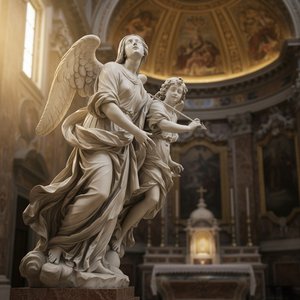
Within SS. Martino’s walls reside masterpieces spanning several artistic movements. Paolo Uccello's *Annunciation*, housed in the chapel dedicated to Saint Mary Magdalene, exemplifies Early Renaissance precision and perspective—a groundbreaking achievement that foreshadowed developments across Europe. Lorenzo Costa’s monumental altarpiece depicts Saint Martin on horseback giving half his robe to a Beggar, showcasing masterful draughtsmanship and conveying profound moral symbolism. Furthermore, the church boasts an impressive collection of frescoes, including works by Vitale da Bologna and Francesco Manzini, which illuminate biblical narratives with vibrant color palettes and meticulous detail—a remarkable feat of artistic skill that continues to captivate audiences today. The sculptures adorning the chapel’s altar are equally captivating, reflecting the stylistic influences of both Gothic and Renaissance traditions.
Historical Significance: From Monastery to Basilica
The Carmelite Order’s presence at SS. Martino has shaped its history profoundly. The monastery served as a center for theological scholarship and monastic life, fostering intellectual discourse and spiritual contemplation. Its elevation to basilica status in 1941 by Pope Pius XII recognized its enduring importance as a place of pilgrimage and artistic veneration—a distinction bestowed upon only a select few churches throughout Italy. Ongoing restoration efforts ensure that SS. Martino’s legacy continues to inspire awe and admiration for generations to come. The church's history is interwoven with tales of patronage, artistic commissions, and liturgical celebrations—a narrative that resonates deeply within Bologna’s cultural heritage.
Notable Exhibitions & Visitor Experience
SS. Martino regularly hosts exhibitions showcasing both Bolognese art history and contemporary artistic interpretations, enriching the visitor experience and fostering dialogue between past and present. Guided tours delve into the church's architectural intricacies and artistic treasures, providing invaluable insights into its cultural significance. The serene atmosphere of the basilica invites contemplation and reflection—a sanctuary for those seeking solace and inspiration amidst Bologna’s bustling urban environment. Free entry makes SS. Martino accessible to all who wish to immerse themselves in this extraordinary artistic heritage. Visitors can explore the church's expansive nave, admire the intricate stained glass windows depicting scenes from biblical scripture, and contemplate the profound symbolism embedded within its artworks—a journey through centuries of faith and artistic brilliance.