


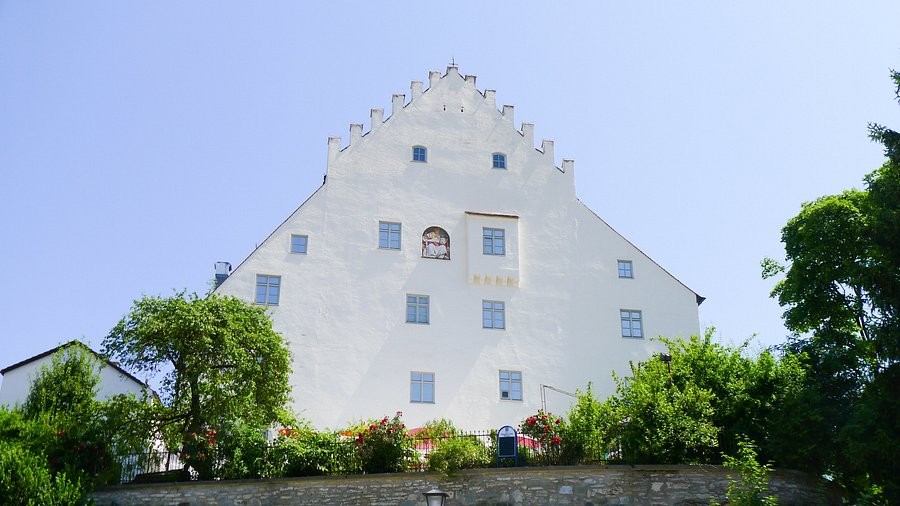
Un Santuario del Colore: L'Anima dell'Espressionismo
Immerso nella tranquilla carezza del paesaggio bavarese, dove le acque scintillanti dello Staffelsee incontrano la distesa verdeggiante della palude di Murnau, sorge un santuario per lo spirito d'avanguardia. Lo Schlossmuseum Murnau è molto più di un semplice deposito di tele e pigmenti; è una testimonianza vivente di un momento rivoluzionario nella storia dell'arte, in cui i confini della realtà iniziarlo a dissolversi nell'emozione pura. Ospitato all'interno di un castello storico che sussurra racconti di forza medievale e retaggio reale bavarese, il museo funge da ponte tra la ruvida permanenza delle Alpi e i sogni effimeri e vibranti del movimento Der Blaue Reiter .
Varcare le sue soglie significa entrare in un mondo dove il colore non è meramente descrittivo ma profondamente spirituale, invitando collezionisti ed esteti a riscoprire il potere trasformativo della luce e della forma. Il cuore del museo pulsa con l'eredità degli artisti del "Cavaliere Azzurro", un gruppo i cui esperimenti radicali nel 1908 hanno ridefinito la traiettoria del modernismo europeo. I visitatori sono trascinati in un dialogo intimo con i maestri dell'astrazione, tra cui spiccano Gabriele Münter e Wassily Kandinsky . La collezione celebra il loro profondo legame con questa specifica topografia bavarese, mostrando come le colline ondulate e l'unico "luce blu" della regione abbiano agito da catalizzatore per le loro intuizioni artistiche.
Capolavori dell'Eredità del Cavaliere Azzurro
La collezione del museo offre un viaggio senza pari attraverso l'evoluzione dell'arte moderna, tracciando il percorso dai paesaggi ritmici e radicati alle astratte geometrie ascendenti. Si può assistere alla transizione dalle affascinanti influenze popolari della pittura su vetro bavarese alla profonda profondità spirituale presente nelle opere della Neue Künstlervereinvereinigung München . La presenza di altri luminari crea un arazzo denso e materico del pensiero espressionista, dove ogni pennellata cerca di catturare una verità interiore piuttosto che una somiglianza esterna.
Gli elementi chiave della collezione includono:
- Le Opere di Gabriele Münter: Poiché il museo custodisce la più grande collezione esposta pubblicamente del suo lavoro, i visitatori possono esplorare oltre 70 pezzi che comprendono dipinti, disegni e grafiche che la consacrano come icona dell'Espressionismo.
- Il Cerchio del Cavaliere Azzurro: Una profonda esplorazione degli stili interconnessi di Alexej von Jawlensky , Marianne von Werefkin e Wassily Kandinsky .
- La Collezione Blue Rider: Un prestito permanente di alto livello della Fondazione KK Murnau, intitolato "The Blue Rider - A Homage", che integra il patrimonio espressionista permanente.
- Echi Letterari: Una dedica unica alla vita e alle opere del drammaturgo Ödön von Horváth , le cui narrazioni catturarono le ansie sociali dell'epoca.
Un'Esperienza Culturale Multidimensionale
Oltre le vibranti tele, lo Schlossmuseum offre un'esperienza multidimensionale che affascina sia l'occhio sofisticato del designer d'interni che quello dello storico. L'architettura del museo fornisce uno sfondo sublime; le mura solide e contemplative del castello offrono un senso di permanenza che contrasta magnificamente con la natura fluida ed emotiva dell'arte esposta. Questa dualità è ulteriormente arricchita dalla dedizione del museo alla storia culturale della regione, dove la "Wunderkammer" e le tradizioni locali si fondono.
Per coloro che desiderano immergersi pienamente nello spirito della "Terra Blu", il museo funge da porta d'accesso al paesaggio circostante. Il legame tra l'arte e l'ambiente è palpabile, dalla storia industriale dell'estrazione di rocce alla conservazione della palude di Murnau. Che si stia vagando tra le sale storiche o riflettendo nel caffè del museo tra specialità bavaresi, si scopre che lo Schlossmuseum Murnau non è solo una destinazione per ammirare l'arte, ma un ambiente immersivo dove storia, natura e creatività diventano un unico, indimenticabile viaggio.


