- Pagina iniziale

- Musei
- Santa Maria delle Grazie

Sommario
Dettagli rapidi
- Alternate names:
- Santa Maria delle Grazie
- Chiesa di Santa Maria delle Grazie ad Arezzo
- Museo della Basilica di S. Maria delle Grazie
- Museo della Basilica di Santa Maria delle Grazie
- Basilica di S. Maria delle Grazie
- Works on APS: 3
- Featured artists:
- Andrea della Robbia
- benedetto da maiano
- Location: Arezzo, Italia
Artisti in collezione

Andrea Della Robbia
Andrea della Robbia: scultore fiorentino rinascimentale celebre per rilievi in terracotta vetrosa vibranti. Esplora le sue opere religiose, le sculture Madonna e Bambino e le decorazioni architettoniche – figura chiave dell'arte italiana.


Benedetto Da Maiano
Benedetto da Maiano (1446-1497) è stato uno scultore rinascimentale fiorentino noto per i suoi rilievi in marmo, contributi architettonici e stile raffinato. Esplora le sue opere, tra cui la Cappella di Santa Fina e i ritratti.
Articoli correlati
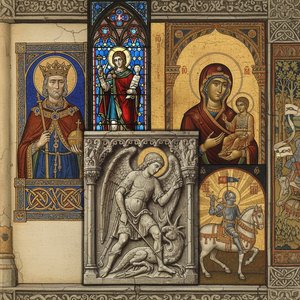
Illuminating Faith & Power: A Journey Through Medieval Art (c. 500 – c. 1500)
Explore the rich history of Medieval Art (c. 500 – c. 1500) with OriginalUniqueArt. Discover Byzantine mosaics, Gothic cathedrals & Renaissance masterpieces. Expert insights & museum-quality reproductions.

The Northern Renaissance: A Flourishing of Realism, Religious Reform & Artistic Innovation
Explore the Northern Renaissance! Discover Jan van Eyck's innovations, religious shifts, & key artists of this influential period. Expert analysis and insights into Early Netherlandish painting at OriginalUniqueArt.
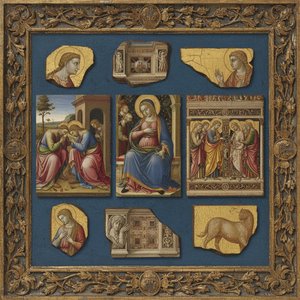
I 10 Capolavori che Definirono il Proto-Rinascimento: Arte e Decorazioni Raffinate
Esplora i 10 capolavori del Proto-Rinascimento con OriginalUniqueArt.com! Scopri Cimabue, Giotto e Duccio di Buoninsegna: arte medievale, affreschi italiani e simbolismo senza tempo. Trova riproduzioni di alta qualità per la tua casa. Esplora la collezione online!
Catalogo delle opere d'arte
Nessuna opera trovata.


Iscriviti alla nostra newsletter
Rimani aggiornato sulle ultime novità dell'arte, sulle offerte esclusive e sulle idee di decorazione.
Ricevi 3 suggerimenti d'arte gratuiti
Raccontaci del tuo progetto e i nostri esperti d'arte ti proporranno 3 suggerimenti artistici personalizzati.
Not Sure Where to Start?
Let Us Curate 3 Options Just for You - Free!