Explore the captivating Baroque sculptures of Filippo Parodi, Genoa’s ‘first and greatest native sculptor.’ Admire his Roman-influenced works & Bernini's influence.
Unearthing Genoa’s Roman Legacy: Exploring Santa Maria della Cella
Santa Maria della Cella stands as a beacon of Ligurian heritage—a place where the echoes of antiquity resonate within the walls of a basilica that embodies centuries of artistic evolution. More than simply housing relics of the past, this museum offers visitors an unparalleled opportunity to immerse themselves in Genoa’s formative narrative, revealing layers of influence from Celtic settlements through the grandeur of Roman rule and culminating in the Baroque splendor championed by artists like Apollonio Domenichini and John Singer Sargent.
A Singular Setting: Basilica Architecture and Historical Dialogue
The basilica itself—Santa Maria di Castello—is not merely a backdrop to archaeological discovery; it’s an integral participant in the story being told. Originally erected in the XII century upon the ruins of a Roman fort, its very foundations speak volumes about Genoa's resilience and adaptability throughout history. Architects deliberately incorporated excavated Roman fragments into the basilica’s design – a bold decision that creates a palpable dialogue between disparate eras, prompting contemplation on how cultures interact and transform over time. This architectural juxtaposition is itself a testament to the museum’s overarching theme: continuity amidst change.
Roman Ruins Revealed: Treasures of the Second Century
At the core of Santa Maria della Cella's collection lies an extraordinary assemblage of Roman ruins—a remarkable feat of archaeological preservation that allows visitors to step back in time and witness firsthand the vestiges of Genoa’s imperial past. Detailed excavations have unearthed impressive architectural structures, including sections of walls adorned with intricate mosaics depicting mythological scenes – a vibrant reminder of Rome’s artistic prowess during this period. Fragments of monumental sculptures offer glimpses into Roman craftsmanship and aesthetic sensibilities, while meticulously documented pottery shards bear Roman inscriptions, providing invaluable insights into daily life and administrative practices.
Notable Artifacts: Artistic Influences Across Cultures
The museum's curators have painstakingly reconstructed the narrative of Liguria’s evolution, presenting exhibits that illuminate the transition from Celtic settlements to the dominance of Roman rule. Visitors can examine a diverse array of artifacts – exquisitely preserved mosaics depicting mythological scenes reflecting Byzantine influences; funerary urns adorned with elaborate decorations showcasing Roman artistic traditions; and tools crafted with remarkable precision demonstrating Roman technological innovation. These objects serve as tangible embodiments of cultural exchange, underscoring Genoa’s role as a crossroads of civilizations during antiquity.
Recent exhibitions have focused on exploring connections between Roman art and Byzantine influences—a fascinating investigation into how Genoa absorbed artistic traditions from distant empires while maintaining its own distinctive identity. These displays highlight the stylistic developments that characterized Ligurian art throughout the centuries, demonstrating a remarkable capacity for adaptation and innovation. Furthermore, they encourage visitors to consider the broader context of European artistic history, fostering a deeper appreciation for the enduring legacy of Roman civilization.
Why Santa Maria della Cella Stands Apart
What distinguishes Santa Maria della Cella is undeniably its immersive experience—a departure from conventional museums confined to static displays. Here visitors can wander through the excavated ruins alongside the basilica’s soaring nave, fostering a profound connection with history and artistry. It's an invitation to contemplate not just what happened but *how* it unfolded – a truly unforgettable journey into Genoa’s captivating past. This museum is particularly appealing to art historians specializing in Roman archaeology, collectors interested in Ligurian antiquities, and interior designers seeking inspiration for spaces that evoke timeless elegance and cultural richness.
A cura del team editoriale di OriginalUniqueArt.com
Discover the innovative terracotta glazing techniques of Luca della Robbia, a Renaissance master sculptor. Explore his iconic works, legacy, and collecting tips with OriginalUniqueArt.
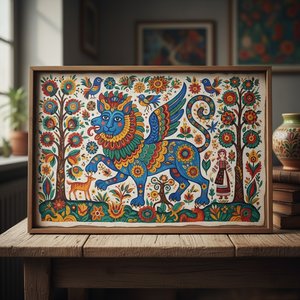
Discover the captivating world of Maria Primachenko, Ukraine's celebrated naive artist. Explore her vibrant paintings, unique style, and enduring legacy with OriginalUniqueArt – your source for authentic art insights & reproductions.
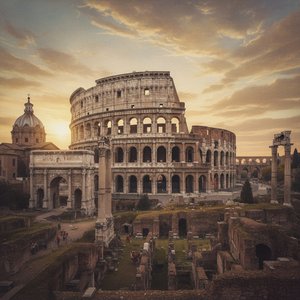
Explore the profound beauty of Roman architecture through art history. From Piranesi's evocative engravings to classical masterpieces, discover how the grandeur of ancient Rome continues to inspire collectors and art enthusiasts worldwide.