- Pagina iniziale

- Musei
- Santa Maria del Castello
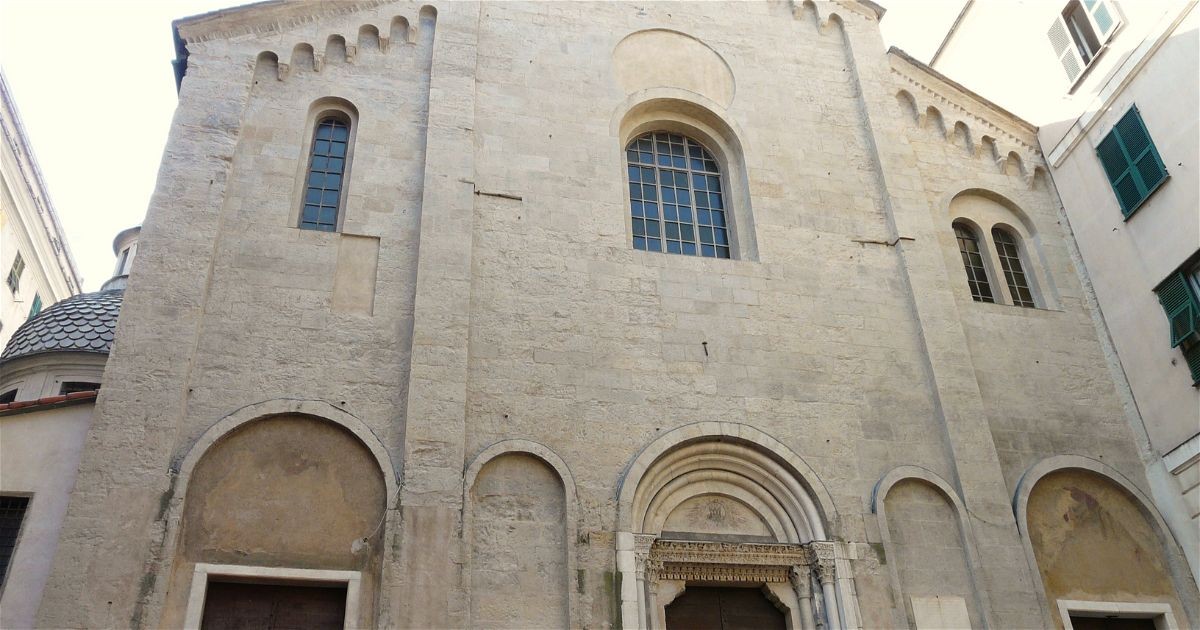
Dettagli rapidi
- Featured artists: giovanni benedetto castiglione
- Works on APS: 1
- Location: Genova, Italia
- Alternate names:
- Santa Maria del Castello
- Basilica di Santa Maria di Castello
- Santa Maria di Castello
Quiz d'arte
Per ogni domanda è presente una sola risposta corretta.
Domanda 1:
Qual stile architettonico caratterizza Santa Maria del Castello?
Domanda 2:
Quale delle opere d'arte elencate è ospitata nella Basilica di Santa Maria di Castello?
Domanda 3:
In quale periodo storico rappresenta Santa Maria del Castello?
Domanda 4:
La collezione museale comprende manoscritti miniati e icone russe rare. Che tipo di arte sono questi?
Domanda 5:
Santa Maria del Castello è nota per i suoi affreschi che raffigurano storie bibliche e storia genovese. Dove erano ubicati questi affreschi?
Artisti in collezione

Il Grechetto
Giovanni Benedetto Castiglione (1609-1664), noto come "Il Grechetto", fu un pittore e incisore barocco genovese celebre per le sue vivaci nature morte con animali, l'innovativa tecnica del monotipo e le atmosfere suggestive delle sue stampe.

Articoli correlati

Maerten van Heemskerck: Bridging Mannerism & Renaissance Ideals
Explore the captivating world of Maerten van Heemskerck, a pivotal Dutch Renaissance painter bridging Mannerism & Italian influence. Discover his masterpieces and legacy with OriginalUniqueArt.
Navigare l'Espressione Artistica: Una Guida alla Scelta dell'Arte per Stile
Scopri come scegliere l'arte perfetta per il tuo stile con la nostra guida esperta. Esplora stili, artisti e consigli d'arredo. Acquista riproduzioni di alta qualità su !
Illuminating Faith & Power: A Journey Through Medieval Art (c. 500 – c. 1500)
Explore the rich history of Medieval Art (c. 500 – c. 1500) with OriginalUniqueArt. Discover Byzantine mosaics, Gothic cathedrals & Renaissance masterpieces. Expert insights & museum-quality reproductions.


Iscriviti alla nostra newsletter
Rimani aggiornato sulle ultime novità dell'arte, sulle offerte esclusive e sulle idee di decorazione.
Ricevi 3 suggerimenti d'arte gratuiti
Raccontaci del tuo progetto e i nostri esperti d'arte ti proporranno 3 suggerimenti artistici personalizzati.
Not Sure Where to Start?
Let Us Curate 3 Options Just for You - Free!