Un Santuario del Dissenso: Gli Echi Viventi di Nottingham
Nel cuore di Nottingham, dove il battito della storia risuona con una forza silenziosa e risoluta, sorge la Congregational Memorial Hall—uno spazio che trascende i confini tradizionali di un museo per divenire un archivio vivente dello spirito umano. È un santuario nato dalle ombre dell'Atto di Uniformità del 1662, istituito per onorare quei duemila ministri che, mossi da una coscienza incrollabile, furono espulsi dai loro pulpiti durante l'era della Restaurazione. Varcare queste soglie significa immergersi in una narrazione di sfida e ricerca intellettuale, dove l'aria stessa sembra gravata dal peso di secoli di libertà religiosa e riforma sociale. Questo luogo non è un semplice deposito del passato; è una profonda testimonianza del potere del pensiero indipendente contro la marea dell'autorità costituita, offrendo uno sguardo commovente sulle lotte fondanti che hanno plasmato il panorama morale del Regno Unito.
Cronache Visive: L'Arte al Servizio della Fede e della Riforma
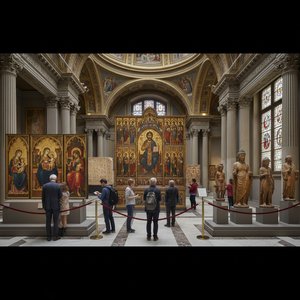
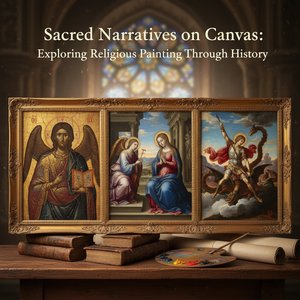
La collezione custodita in questa sala sacra è molto più di un insieme di reperti; è una cronaca visiva meticolosamente curata del viaggio di una comunità attraverso la fede e l'attivismo. Per l'amante dell'arte come per lo storico, la Hall offre un incontro intimo con le trame della storia—dai delicati manoscritti miniati , che dettagliano intensi dibattiti teologici, ai logori registri parrocchiali che tracciano l'espansione delle congregazioni in tutta l'Inghilterra e il Galles. Non ci si può non emozionare di fronte alle opere d'arte religiosa e alle incisioni che fungono da finestre su un'epoca passata, catturando figure chiave e momenti cruciali con straordinaria chiarezza. Tra queste, la raffigurazione di John Wesley mentre predica a Nottingham si erge come un capolavoro di energia evangelica, con pennellate che catturano il fervore palpabile del movimento. Queste opere non sono puramente devozionali; sono potenti simboli di progresso, spesso accompagnate da fotografie che documentano la grinta e la determinazione delle marce per il suffragio e delle campagne contro la povertà, intrecciando i fili della devozione spirituale e della lotta terrena in un unico, fluido arazzo di impegno umano.
L'Architettura come Difesa: Una Sinfonia di Pietra e Luce
L'architettura della Congregational Memorial Hall funge da manifestazione fisica della sua missione storica, fondendo la riverenza per la tradizione con un'eleganza funzionale che invita alla contemplazione. La struttura presenta un dialogo sofisticato tra la grazia misurata del Neoclassicismo Georgiano e lo spirito intricato e ascendente del Revival Gotico Vittoriano . Mentre la luce solare filtra attraverso le finestre ad arco, illumina uno spazio progettato per ispirare, proiettando chiarore su soffitti altissimi adornati da delicati stucchi che simboleggiano un'aspirazione collettiva all'illuminazione spirituale e all'unità comunitaria. Ogni elemento, dall'acustica studiata per conferenze e performance musicali alla disposizione invitante che incoraggia l'esplorazione, è stato concepito per favorire il coinvolgimento. Per l'interior designer o l'ammiratore dell'estetica storica, la Hall offre una lezione magistrale su come lo spazio possa essere utilizzato per onorare l'eredità culturale promuovendo, al contempo, un'atmosfera contemporanea di inclusività e discorso intellettuale, rendendola un vero faro di significato culturale nel Nottinghamshire.