
A Journey Through Justice & Artistic Expression: Preston Crown Court
Preston Crown Court stands as more than just a courthouse; it’s a testament to Lancashire’s legal heritage interwoven with the beauty of art. Located in Harris Street, Preston, this Grade II* listed building embodies Edwardian Baroque grandeur and houses a remarkable collection that offers visitors an unparalleled glimpse into both history and artistic innovation.
Originally conceived as a replacement for an older Sessions House, the Court’s construction began in 1904 under the visionary guidance of Henry Littler. The architectural style—Edwardian Baroque—immediately commands attention with its towering façade crafted from Longridge stone, reflecting the ambition and sophistication of the era. Its symmetrical design speaks volumes about the values of order and authority prevalent during that period.
History & Architectural Marvel
Commissioned to commemorate a pivotal moment in Lancashire’s legal history, Preston Crown Court represents a pinnacle of Victorian architectural achievement. Designed by Alistair Sutherland of architects Austin-Smith:Lord, the building opened its doors in 1996 and seamlessly blends functionality with aesthetic splendor. The striking asymmetrical main frontage—featuring fifteen bays curving towards Saul Street—is crowned by a magnificent glass entrance section adorned with columns supporting a decorative canopy.
Internally, the Court’s spacious atrium bathed in natural light serves as a focal point for visitors, showcasing intricate stained-glass windows depicting scenes from jurisprudence. The meticulous craftsmanship evident throughout the building underscores its significance as a cultural landmark—a tangible reminder of Lancashire's commitment to both legal excellence and artistic patronage.
Treasures Within: Exploring Preston’s Artistic Legacy
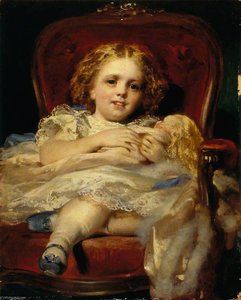
Beyond its impressive architectural presence, Preston Crown Court boasts an exceptional collection of artworks that illuminate Lancashire’s artistic soul. Among the most celebrated pieces are canvases by Alfred Borron Clay and Daniel Macnee—artists who captured the essence of their time with remarkable sensitivity.
- Alfred Borron Clay: Clay's landscapes—characterized by muted tones and textured brushstrokes—transport viewers to serene Lancashire countryside vistas. His masterful technique conveys tranquility and invites contemplation on the natural world.
- Daniel Macnee: Macnee’s portraits stand out for their exceptional realism, capturing subjects with nuanced expressions that reveal inner character. These artworks exemplify Precisionist painting's meticulous attention to detail—a stylistic hallmark of the early twentieth century.
Notable Trials & Legal Significance
Preston Crown Court gained prominence not only for its architectural grandeur but also for its role as a venue for landmark legal trials. The courtroom witnessed, among others, the conviction of Jon Venables and Robert Thompson for the horrific murder of James Bulger—a case that captivated national attention and underscored the importance of justice.
Furthermore, Preston Crown Court served as the site of Dr. Harold Shipman’s trial—a chilling reminder of the vulnerability inherent in human relationships and the pursuit of truth. These trials have shaped public perception of law enforcement and societal responsibility—solidifying Preston Crown Court's place in British legal history.
A Unique Experience: Combining Justice & Artistic Inspiration
What distinguishes Preston Crown Court is its singular combination of a functioning courthouse and a museum—a rare opportunity to immerse oneself in legal proceedings alongside artistic contemplation. Visitors can witness courtroom sessions firsthand while admiring masterpieces that inspire reflection on the interplay between law and culture.
The Court’s collection isn't merely decorative; it represents a deliberate effort to enrich the visitor experience by showcasing diverse artistic styles—from landscapes evoking Aboriginal motifs to portraits capturing subjects with profound emotion. Preston Crown Court invites exploration, fostering understanding of Lancashire’s past and celebrating its enduring artistic heritage.