Un arazzo rinascimentale intessuto di pietra e colore
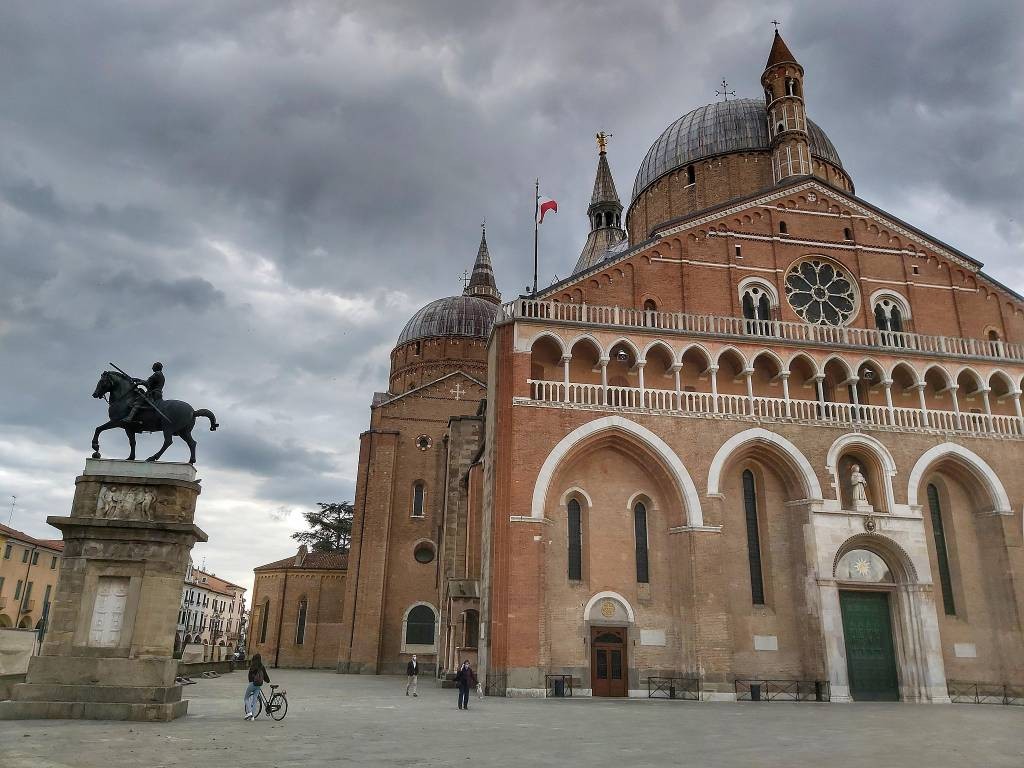
Immersa nel cuore storico di Padova, la Piazza del Santo è molto più di una semplice piazza architettonica; è una testimonianza viva di secoli di devozione spirituale e di un patronato artistico senza pari. Varcare la soglia di questo spazio significa entrare in un regno dove l'età d'oro del Rinascimento respira attraverso ogni pietra scolpita e ogni superficie dipinta. L'area funge da profonda porta d'accesso al culmine culturale dell'Italia, ancorata dalla monumentale Basilica di Sant’Antonio e dai tesori del Museo Antoniano. Qui, l'atmosfera è densa del peso della storia, offrendo un santuario dove il divino incontra l'umano attraverso le mani magistrali dei più grandi creatori della storia.
L'architettura della Basilica stessa si erge come un trionfo mozzafiato di progettazione, fondendo senza soluzione di continuità la grandiosità eterea e ascendente dello stile gotico con la solidità ritmica e radicata della tradizione romanica . Costruita tra il 1232 e la metà del XIV secolo per onorare Sant'Antonio di Padova, la struttura incute riverenza. Mentre ci si muove attraverso la sua vasta navata, gli occhi sono attratti verso intagli intricati e vetrate che filtrano la luce in un bagliore celeste, immergendo l'interno in una radiosità ultraterrena. Questo dialogo architettonico tra luce e ombra crea uno spazio progettato non solo per il culto, ma per una profonda immersione contemplativa nel sacro.
Capolavori del genio umano
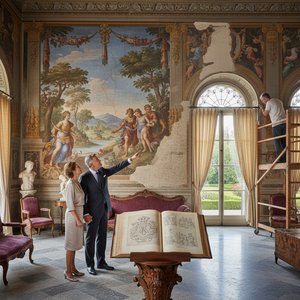
Oltre la maestà spirituale della Basilica, la collezione custodita nel museo adiacente offre un viaggio mozzafiato attraverso il tempo, dagli echi preistorici all'apice dell'antichità romana. Tuttavia, sono i capolavori del Rinascimento a catturare veramente l'anima del moderno collezionista e dell'amante dell'arte. I monumentali affreschi di Andrea Mantegna si pongono come un apice del raggiungimento umano; le sue raffigurazioni della Genesi e dell'Esodo utilizzano una rivoluzionaria prospettiva lineare per creare un'illusione di profonda profondità, trascinando lo spettatore direttamente nella narrazione biblica. Queste opere non sono semplici dipinti, ma finestre su un nuovo modo di vedere, dove il realismo e gli ideali umanistici convergono in uno spettacolo straordinario di colore e precisione.
La brillantezza scultorea dell'epoca trova la sua voce più toccante nelle opere di Donatello , la cui presenza infonde un battito emotivo alla collezione. Il suo capolavoro in bronzo, “Miracolo del cuore dell'avaro” (1447), funge da profondo studio dell'anatomia umana e della grazia spirituale. Attraverso la sua abilità senza pari, Donatello cattura l'intensità pura dell'emozione e le delicate sfumature della forma umana, incarnando l'essenza stessa dello spirito rinascimentale. Per l'interior designer o il conoscitore d'arte, queste opere rappresentano lo standard supremo di bellezza: un connubio armonioso di maestria tecnica e profondo potere narrativo che continua a ispirare meraviglia in ogni generazione.