Un Santuario del Genio Fiorentino: Esplorando il Museo dell'Opera del Duomo
Firenze respira arte; essa non è semplicemente esposta nei musei, ma è l'essenza stessa della città, intrecciata nelle sue strade e svettante nella magnifica architettura di Piazza del Duomo. Ma per comprendere veramente la genesi di questo fervore artistico, bisogna avventurarsi oltre la cattedrale stessa ed entrare nel Museo dell'Opera del Duomo – un archivio non solo di capolavori, ma di sogni, ingegno e fede incrollabile che hanno alimentato il Rinascimento. Fondato nel 1891, il museo non è una semplice sala espositiva; è una narrazione che si dispiega attraverso i secoli, rivelando l'intricato processo dietro i monumenti più iconici di Firenze: la Cattedrale di Santa Maria del Fiore, il Campanile di Giotto e il Battistero di San Giovanni. Esso offre uno sguardo senza precedenti sulle botteghe e sulle menti che hanno dato vita a queste strutture, preservando sculture e opere d'arte originali salvate dagli agenti atmosferici, offrendo un livello di autenticità raramente riscontrabile altrove. Le pietre stesse sussurrano racconti di ambizione, devozione e innovazione artistica, invitando i visitatori in un viaggio attraverso il tempo.
Il Cuore Scultoreo di una Visione Rinascimentale
Tra le sue mura risiedono alcune delle opere scultoree più cruciali mai concepite. La collezione del museo non riguarda solo l'ammirazione di pezzi finiti; si tratta di testimoniare l'evoluzione artistica. La
Pietà
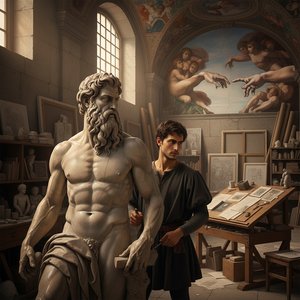
di Michelangelo, una rappresentazione della Deposizione profondamente personale e carica di emozione, si erge come testimonianza della sua abilità impareggiabile – originariamente destinata alla sua stessa tomba, la sua forza cruda risuona ancora oggi. Nelle vicinanze, le opere di Donatello, tra cui l'inquietante e bellissima
Maddalena Penitente
, mostrano il nascente naturalismo che ha definito la scultura del primo Rinascimento. Ma forse il tesoro più celebre sono le
Porte del Paradiso
di Lorenzo Ghiberti – le porte bronzee del Battistero, un'opera di rilievo mozzafiato e così finemente dettagliata da meritare il nome celeste concesso dallo stesso Dante. Stare davanti a questi pannelli dorati significa essere trasportati in un mondo di narrazioni bibliche rese con grazia sorprendente e maestria tecnica. Queste non sono semplici porte; sono portali scintillanti verso un altro regno, testimonianze del potere della visione artistica. Il museo espone inoltre con cura le sculture originali che un tempo adornavano la facciata della cattedrale, offrendo contesto e permettendo ai visitatori di apprezzarne la grandezza iniziale all'interno della cornice architettonica per cui furono create. Questi pezzi non furono concepiti in isolamento, ma come componenti integrali di una più ampia e sublime ambizione spirituale.
La Cupola di Brunelleschi: Una Prodezza Monumentale Preservata
La storia del Duomo è indissolubilmente legata a Filippo Brunelleschi, la cui rivoluzionaria cupola rimane un prodigio di ingegneria e ambizione artistica. Mentre la cupola stessa domina lo skyline fiorentino, il Museo dell'Opera del Duomo fornisce una visione cruciale sulla sua costruzione. Modelli, disegni e componenti originali dei macchinari rivelano i metodi ingegnosi impiegati da Brunelleschi per superare sfide apparentemente insormontabili – costruire una cupola in mattoni autoportante di tale scala senza le tradizionali impalcature era considerato impossibile all'epoca. Il museo illumina non solo il
come
sia stata costruita, ma anche il
perché
: lo spirito di innovazione e l'orgoglio civico che hanno guidato questa audace impresa. È un potente promemoria del fatto che l'arte non viene creata nel vuoto; nasce spesso dalla necessità, dall'ingegno e dal desiderio collettivo di raggiungere l'extraordinario. L'audacia stessa della visione di Brunelleschi continua a ispirare meraviglia, dimostrando la capacità dell'umanità per la risoluzione dei problemi e la brillantezza artistica.
Un'Eredità Viva: Architettura e Contesto Storico
L'edificio del museo stesso contribuisce significativamente all'esperienza del visitatore. Ospitato in strutture che un tempo erano parte integrante dell'area delle botteghe della cattedrale, la sua architettura fonde armoniosamente gli stili gotico e rinascimentale, creando un ambiente immersivo che riecheggia i periodi artistici che mette in mostra. La disposizione non è arbitraria; è progettata per rispecchiare le relazioni spaziali del complesso del Duomo, potenziando la comprensione e fornendo un senso di continuità. Il Museo dell'Opera del Duomo non è semplicemente un contenitore d'arte; esso
è
parte della storia. Rappresenta un legame vitale con i trionfi politici, economici e artistici di Firenze durante il Rinascimento – un periodo che ha irrevocabilmente plasmato la civiltà occidentale. Il museo offre un viaggio educativo in questa era cruciale, rendendolo una risorsa inestimabile per studenti, studiosi e chiunque cerchi una comprensione più profonda della storia dell'arte.
Un Incontro Senza Pari con l'Eredità Artistica
Ciò che distingue veramente il Museo dell'Opera del Duomo è il suo impegno nel preservare i capolavori originali. A differenza di molte istituzioni che espongono riproduzioni, qui si incontrano le opere stesse create dalle mani dei maestri del Rinascimento. Questa autenticità infonde l'esperienza con un profondo senso di connessione con il passato. La sua posizione strategica – direttamente di fronte alla Cattedrale di Firenze – amplifica ulteriormente il suo fascino, offrendo un'opportunità impareggiabile per esplorare la grandezza artistica e architettonica dei monumenti più iconici d'Italia. Che siate un appassionato collezionista d'arte in cerca di ispirazione, un interior designer alla ricerca di un contesto storico o semplicemente un viaggiatore desideroso di immergersi nella bellezza di Firenze, il Museo dell'Opera del Duomo promette un viaggio arricchente e indimenticabile nel cuore dell'eredità artistica italiana – una testimonianza della creatività umana che continua a ispirare stupore a distanza di secoli.
È più di un museo; è un pellegrinaggio per coloro che amano il potere duraturo dell'arte.