

Una Cittadella Rinascimentale di Potere e Arte
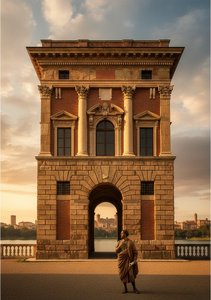
Il Palazzo Farnese si erge come una monumentale testimonianza dell'ambizione e della visione artistica della dinastia Farnese, dominando Piazza Farnese a Roma con una facciata imponente e una presenza maestosa che incute rispetto in chiunque vi si avvicini. Più di una semplice collezione di mattoni e malta, questo prodigio architettonico incarna secoli di storia papale, profondo mecenatismo artistico e innovazione rivoluzionaria. Esso invita l'osservatore in un viaggio a ritroso verso il pieno Rinascimento, dove ogni pietra sembra sussurrare racconti delle figure potenti che modellarono il destino di Roma. Commissionato nel 1517 da Alessandro Farnese I, Papa Paolo III, il palazzo rappresenta un raro sforzo collaborativo tra i titani dell'architettura italiana. Sebbene Antonio da Sangallo il Giovane abbia dato inizio al progetto, fu il leggendario Michelangelo Buonarroti a ridefinirne i principi strutturali con la sua innovativa cornice: una rottura audace con gli stili prevalenti che funge da simbolo duraturo della grandezza papale e della sofisticatezza architettonica.
La Nascita della Sensibilità Barocca
Varcando le sue mura, si viene immediatamente trasportati in un mondo dove mito e realtà si intrecciano, most notably all'interno della mozzafiato Galleria Carracci . Questo spazio trascende la definizione di una semplice galleria; è un'esperienza immersiva che trasporta lo spettatore in narrazioni mitologiche ricche di colori vibranti, composizioni dinamiche e tecniche magistrali. Gli affreschi, eseguiti tra il 1597 e il 1608 da Annibale e Agostino Carracci, segnano un momento cruciale nella storia dell'arte, annunciando la nascita della sensibilità barocca. Queste opere, che raffigurano scene delle Metamorfosi di Ovidio, utilizzano tecniche illusionistiche rivoluzionarie per creare un senso di spazio infinito e spettacolo teatrale. Le figure sembrano respirare, le loro storie si svelano davanti agli occhi dello spettatore in una cascata di luce e movimento che continua a affascinare amanti dell'arte e storici allo stesso modo. Un esempio lampante di questo racconto emotivo si trova nel Ciclope Polifemo , dove un uso magistrale della luce e la tensione drammatica mostrano l'alba di una nuova era nella pittura europea.
Splendore Architettonico ed Echi Antichi
Lo splendore architettonico del palazzo si estende fino al suo cuore pulsante, dove il cortile si eleva con colonne classiche che fungono da deliberato riferimento agli ideali greco-romani. Questa meticolosa attenzione alla forma e alla funzione dimostra la profonda comprensione del patrimonio classico da parte degli architetti. All'interno della Sala di Ercole, i visitatori incontrano l'opulenta eredità della famiglia Farnese attraverso magnifici arazzi e antichi sarcofagi, fornendo una prova tangibile dei sontuosi interni che un tempo ospitarono alcune delle figure più influenti d'Europa. Persino sotto lo splendore rinascimentale, scavi recenti hanno rivelato straordinarie intuizioni sulle origini romane del palazzo, scoprendo pavimenti musivi che raffigurano animali e acrobati, accennando ai profondi strati di storia sepolti in questo sito.
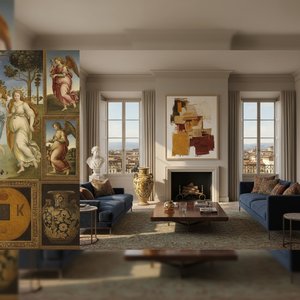
Oggi, Palazzo Farnese continua a servire come simbolo vivente di un duraturo scambio culturale. Sebbene attualmente funga da ambasciata di Francia in Italia — testimonianza del suo ruolo nelle relazioni internazionali — rimane una destinazione essenziale per coloro che cercano di connettersi con la culla della civiltà occidentale. Per collezionisti e interior designer, il palazzo rappresenta lo standard supremo dell'eccellenza estetica, dove la fusione di forza strutturale e grazia decorativa offre un'ispirazione infinita. Esso non si erge meramente come un relitto del passato, ma come un capolavoro preservato che assicura che la grandezza del patrimonio romano rimanga accessibile alle generazioni future.