

Palazzo d’Andrea Spinola: A Glimpse into Genoese Aristocracy
Nestled in the vibrant heart of Genoa, Italy, Palazzo d’Andrea Spinola stands as a testament to the opulent grandeur of the sixteenth and seventeenth centuries – a period defined by artistic innovation and aristocratic ambition. Designated as a UNESCO World Heritage Site, this National Gallery isn't merely a repository of art; it’s an immersive journey into the soul of Genoese society and its enduring legacy.
Architectural Marvel & The Rolli System
Originally conceived in 1568, Palazzo Spinola embodies the spirit of Renaissance architecture skillfully blended with Baroque flourishes. Its construction aligns perfectly with Genoa’s participation in the *Rolli System*, a revolutionary initiative that transformed the city into Europe's foremost showcase for artistic patronage. This system meticulously catalogued palaces and commissioned artists to create breathtaking interiors—a bold experiment in cultural prestige that continues to inspire awe today.
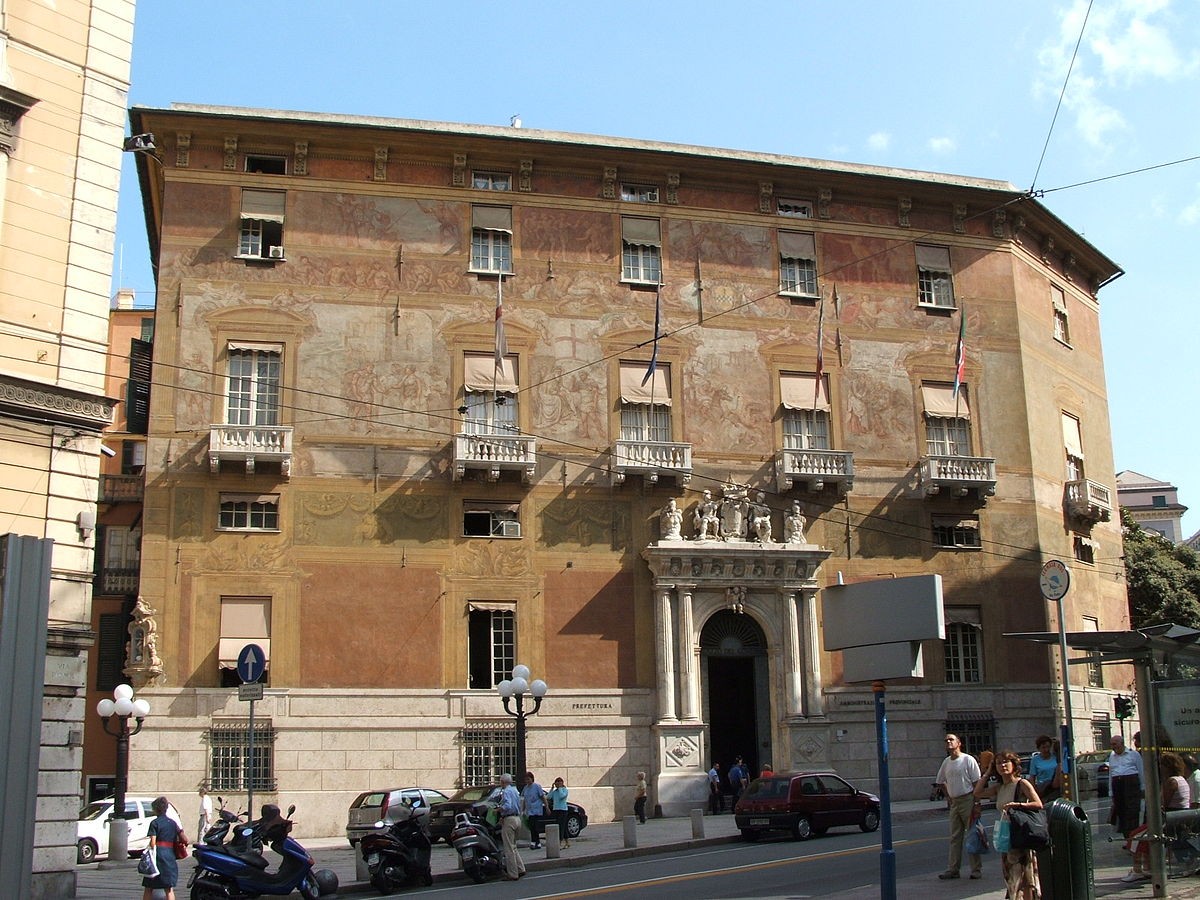
The palazzo’s imposing façade, crafted from Carrara marble and adorned with elaborate sculptural ornamentation, reflects the ambition of its patrons – the Spinola family – who sought to establish themselves as symbols of power and refinement. Its central courtyard, bathed in sunlight, served as a focal point for social gatherings and ceremonial processions—a space designed to impress visitors and reinforce familial authority.
A Treasure Trove of Baroque Artistry
The palazzo’s collection is undeniably dominated by masterpieces produced during the Baroque era, primarily thanks to the generosity of Peter Paul Rubens and Anthony van Dyck. These artists recognized Genoa’s discerning taste for grandeur and commissioned monumental canvases that capture the dynamism and emotion characteristic of the period. Among the most celebrated pieces are depictions of biblical narratives and portraits of influential Genoese families—each artwork meticulously crafted with painstaking detail and infused with symbolic resonance.
Rubens's colossal depiction of *The Descent from Calvary*, dominating the Sala Grande, exemplifies the Baroque fascination for dramatic composition and vibrant color palettes. Similarly, Van Dyck’s portrait of Cardinal Francesco Maria Pallavicino—a masterpiece of aristocratic portraiture—captures the sitter’s dignified bearing and conveys a profound sense of psychological depth.
Frescoes That Whisper Tales of History
Beyond its paintings, Palazzo Spinola boasts an extraordinary ensemble of frescoes adorning its walls and ceilings. These artworks transport visitors into mythological realms and allegorical landscapes—scenes drawn from classical mythology interwoven with emblems representing virtue and nobility. The preservation of these frescoes is remarkable, offering a rare glimpse into the artistic sensibilities of their time and providing invaluable insight into Genoese cultural values.
The Sala dei Giganti, adorned with monumental frescoes depicting scenes from Greek mythology, showcases the grandeur and ambition of Renaissance artists—particularly Bernardino Cantone—who sought to elevate Genoa’s prestige through visual spectacle. The intricate decorative motifs—including garlands of flowers, stylized draperies, and gilded stucco—reflect the prevailing aesthetic ideals of the era.
More Than Just Art: Experiencing Aristocratic Life
What distinguishes Palazzo Spinola from other museums is its holistic approach to history. Unlike institutions focused solely on visual arts, this palace presents a comprehensive panorama of aristocratic life—from lavish furnishings and opulent textiles to intricate decorative arts reflecting the tastes of Genoese nobility. Visitors can imagine themselves strolling through grand halls filled with music and conversation, witnessing elaborate celebrations honoring family lineage and commemorating significant achievements.
The palazzo’s interiors are furnished with antique furniture crafted from ebony, gilded bronze, and silk brocade—objects that embody the wealth and sophistication of Genoese aristocrats. Furthermore, the palazzo houses a remarkable collection of tapestries depicting historical events and mythological narratives—works of art that served as symbols of familial honor and reinforced social prestige.
A Legacy Enduring Through Time
Today, Palazzo Spinola continues to fascinate scholars and visitors alike. Its meticulously preserved architecture and artistic treasures offer a tangible connection to Genoa’s illustrious past—a reminder that beauty can inspire contemplation and that art possesses the power to transcend temporal boundaries.
A visit to Palazzo Spinola is an opportunity to step back in time, immersing oneself in the splendor of the Baroque era and gaining insight into the cultural values that shaped Genoese society during its golden age.