Menu
CONSULENZA D'ARTE GRATUITA

Ossoliński National Institute

Dettagli rapidi

  • Alternate names:
    • Ossoliński National Institute
    • National Ossolinski Institute Foundation
    • Ossolineum
    • Zakład Narodowy im. Ossolińskich
  • Works on APS: 43
  • Location: Wrocław, Poland
  • Featured artists:
    • juliusz słowacki
    • John Speed
    • domenico de' domenichi, dominicus zenoi venetus, dominicus torcellanus, dominicus de dominicis (venetus, torcellanus)
    • wacław grodziecki, wenceslaus grodecki
    • bandtke, jerzy samuel

A Bastion of Polish Identity: Exploring the Ossoliński National Institute

The Ossoliński National Institute stands as more than just a repository of art and literature; it embodies Poland’s tenacious spirit—a beacon of cultural preservation born from adversity. Located in Wrocław, Poland's revitalized historic capital, this institution began its journey in 1817, conceived by Count Józef Maksymilian Ossoliński, a man driven by an unwavering devotion to safeguarding Polish heritage amidst the turbulent currents of partition and political fragmentation. Ossoliński’s initial impulse wasn’t merely aesthetic; it was a deliberate act of resistance—a courageous assertion of cultural identity against encroaching division. His partnership with Prince Henryk Lubomirski solidified this vision, transforming it into one of Poland's foremost scholarly centers.

Treasures Within: Art, Literature and History Intertwined

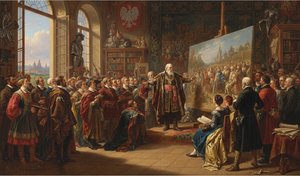
The Institute’s collections are remarkably diverse, united by their profound connection to Polish and Slavic history. While instantly recognizable for its unparalleled literary holdings—particularly the original manuscript of Adam Mickiewicz’s monumental poem Pan Tadeusz—a cornerstone of Polish national consciousness—the Ossolineum boasts an impressive assemblage of artworks originating from the Lubomirski Princes. These paintings, sculptures, and decorative arts offer a captivating glimpse into the opulent lifestyle of Poland's nobility during the Romantic era, reflecting not only artistic prowess but also the socio-political landscape of their time. Imagine wandering through galleries illuminated by soft light, encountering portraits that seem to whisper tales of bygone grandeur—faces frozen in moments of aristocratic elegance and intellectual fervor. Examining intricately crafted pieces of craftsmanship reveals a meticulous attention to detail, mirroring the refined aesthetic sensibilities prevalent within Polish society. Beyond these visual treasures lies an extensive collection of ancient coins, providing tangible evidence of Poland’s engagement with civilizations across continents and eras. The Ossolineum's curators have painstakingly documented each item—from monumental canvases depicting scenes from Polish folklore to exquisitely embellished ceremonial tableware—creating a comprehensive panorama of artistic expression and aristocratic taste.

Architectural Significance & Historical Context

The Ossolineum building itself is a masterpiece of Neo-Renaissance architecture, designed by Stanisław Kostka Jeżewski in 1869. Constructed to commemorate the centenary of Polish independence, it represents a deliberate effort to project an image of stability and cultural prestige—a symbol of Poland’s resurgence after decades of subjugation. The building's façade is adorned with sculptures depicting figures from Polish history and mythology, reinforcing its role as a monument to national identity. These statues embody ideals of patriotism and virtue—serving as constant reminders of Poland’s enduring spirit. Its interior spaces are equally impressive, featuring soaring ceilings, ornate plasterwork, and richly decorated halls that evoke the grandeur of imperial Europe. Situated in Wrocław’s Old Town, it occupies a prominent position within the city’s historic core, contributing significantly to its cultural heritage designation. The building's design reflects the aspirations of Polish intellectuals and artists during the Romantic period—a testament to their commitment to elevating Polish culture on the international stage.

Notable Exhibitions & Ongoing Research

Throughout its history, the Ossolineum has hosted numerous exhibitions showcasing both Polish and international art, fostering dialogue between cultures and promoting scholarly understanding. Recent initiatives have focused on exploring themes of Slavic identity and artistic patronage during the Enlightenment, attracting visitors from across Europe and beyond. Furthermore, the Institute’s researchers continue to delve into unexplored archival materials—illuminating forgotten narratives and enriching our comprehension of Poland's cultural past. Collaborations with leading universities worldwide ensure that the Ossolineum remains at the vanguard of scholarly inquiry, guaranteeing that its treasures inspire future generations of scholars and artists alike. The institute’s exhibitions are meticulously curated—presenting artworks alongside scholarly essays and interactive multimedia displays—creating an immersive experience for visitors eager to engage with Polish cultural heritage on a deeper level.

A Legacy Enduring Through Digital Engagement

Recognizing the importance of accessibility in fostering appreciation for Polish heritage, the Ossoliński National Institute actively engages with audiences globally through platforms like Google Arts & Culture. High-resolution images of artworks and manuscripts are presented online, accompanied by detailed scholarly annotations—making these cultural treasures available to anyone with an internet connection. This digital outreach underscores the institute’s commitment to preserving its legacy while simultaneously embracing innovation and connecting with a wider community of art enthusiasts—a testament to Ossoliński's original vision: to safeguard Poland’s cultural identity for all time. The Ossolineum’s website serves as a valuable resource for researchers and visitors alike—providing access to digitized collections, scholarly publications, and educational programs designed to inspire curiosity and promote lifelong learning.

Catalogo delle opere d'arte

Nessuna opera trovata.