- Pagina iniziale

- Musei
- Osservatorio della Lingua Portoghese

Sommario
Dettagli rapidi
- Works on APS: 19
- Featured artists:
- babylas of antioch
- miguel a. lopes / lusa - portuguese news agency
- A K Enamul Haque
- andreia nogueira/lusa
- inácio rosa
- Location: Lisbona, Portogallo
- Alternate names:
- Osservatório da Língua Portuguesa
- Observatory of the Portuguese Language
- OLP
- OPL
- Osservatorio della Lingua Portuguesa
Quiz d'arte
Per ogni domanda è presente una sola risposta corretta.
Domanda 1:
Qual è lo scopo principale dell’Osservatorio della Lingua Portoghese?
Domanda 2:
Gli esposizioni interattive dell’Osservatorio utilizzano:
Domanda 3:
L’Osservatorio evidenzia l'importanza del portoghese in:
Domanda 4:
Cos’è che distingue l’Osservatorio dai musei tradizionali?
Domanda 5:
A quali istituzioni si rivolge l’Osservatorio per promuovere la lingua portoghese?
Artisti in collezione

Babila Di Antiochia
Scopri Babylas di Antiochia, il patriarca siriano e santo noto per la sua importanza storica e influenza religiosa. Esplora la sua eredità, le sue feste liturgiche e i suoi contributi alla storia del primo cristianesimo.

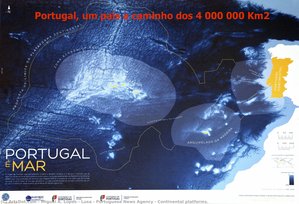
miguel a. lopes / lusa - portuguese news agency
Discover Miguel A. Lopes, a renowned Portuguese photojournalist at Lusa News Agency. Specializing in compelling documentary photography and contemporary visual storytelling from Portugal and beyond.
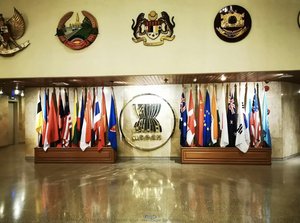
A K Enamul Haque
Explore the captivating world of this artist, known for their unique style and contributions to contemporary art – discover a portfolio that inspires and invites deeper exploration.
Articoli correlati

The Shadow of Faith: Exploring Gothic Art's Spiritual Intensity & Architectural Innovation
Explore the spiritual intensity & architectural innovation of Gothic art! Discover the symbolism behind cathedrals, stained glass & master artists like Giotto and Monet. A deep dive into medieval history & artistic expression.
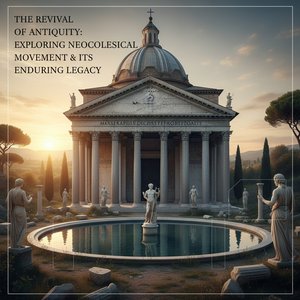
The Revival of Antiquity: Exploring the Neoclassical Movement & its Enduring Legacy
Explore the revival of classical art with our deep dive into Neoclassicism! Discover key artists like Jacques-Louis David, Enlightenment influences & lasting impact on art history. High-quality reproductions at OriginalUniqueArt.

The Revival of Antiquity: Exploring Neoclassical Art's Ideals & Enduring Legacy
Explore the revival of classical ideals in Neoclassical art! Discover Jacques-Louis David & the movement's impact on painting, sculpture & architecture. Expert insights & high-quality reproductions at OriginalUniqueArt.
Catalogo delle opere d'arte
Nessuna opera trovata.


Iscriviti alla nostra newsletter
Rimani aggiornato sulle ultime novità dell'arte, sulle offerte esclusive e sulle idee di decorazione.
Ricevi 3 suggerimenti d'arte gratuiti
Raccontaci del tuo progetto e i nostri esperti d'arte ti proporranno 3 suggerimenti artistici personalizzati.
Not Sure Where to Start?
Let Us Curate 3 Options Just for You - Free!