Una Visione di Grandezza Francese nella Campagna Inglese
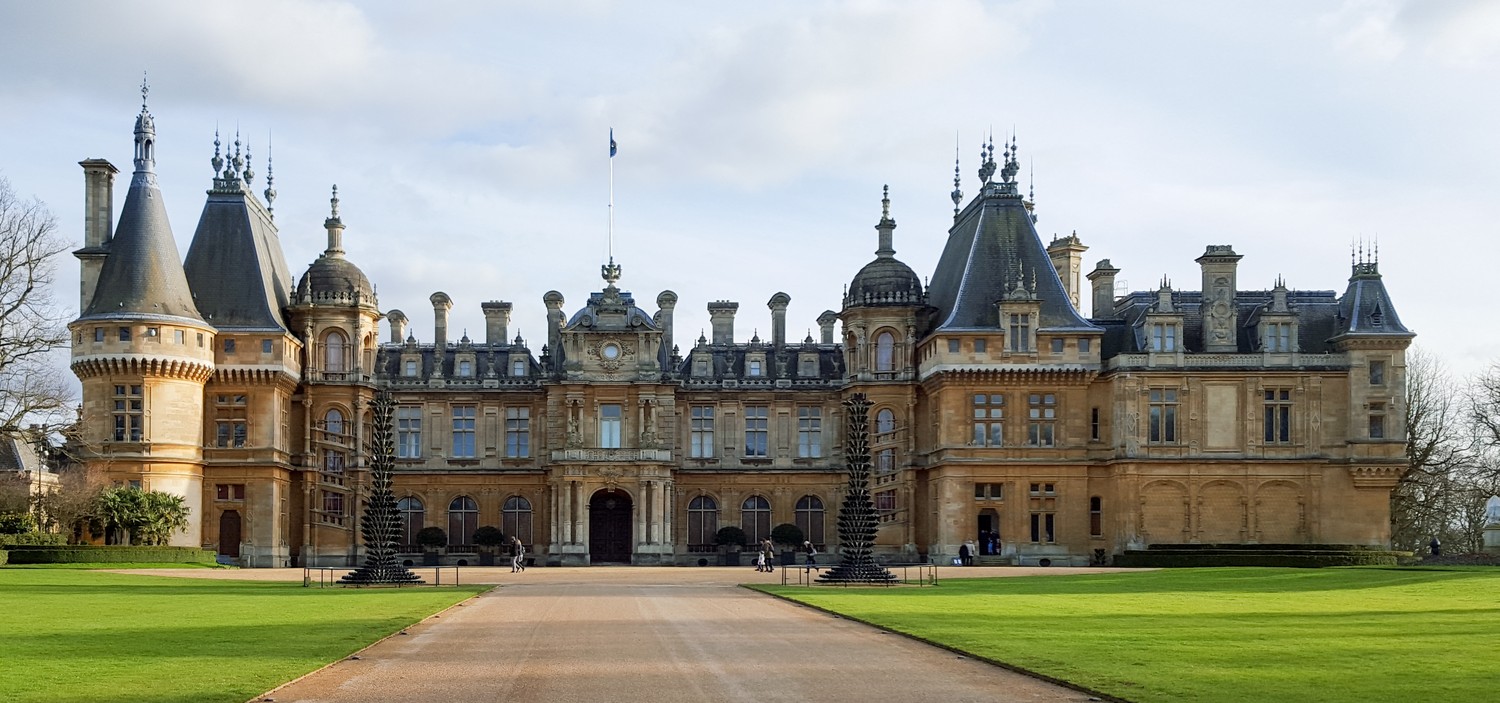
Immersa nei verdi e ondulati paesaggi del Buckinghamshire, Waddesdon Manor emerge dalla nebbia come un sogno febbrile del Rinascimento francese. Questa non è una semplice dimora di campagna inglese; è un omaggio meticolosamente orchestrato all'opulenza della Valle della Loira, un'opera architettonica mozzafiato progettata per trasportare i suoi abitanti e i suoi ospiti nel cuore dell'aristocratica Francia. Costruito tra il 1874 e il 1889 da Sir Reginald Bloomfield Butterfield, il château nacque dalla visione singolare e ambiziosa del Barone Ferdinand de Rothschild. Ogni curva in pietra calcarea e ogni maestosa canna fumaria funge da deliberato eco di monumenti leggendari come Chambord e Chenonceaux, creando un dialogo fluido tra il paesaggio britannico e lo splendore architettonico francese. Varcare le sue soglie significa lasciare alle spalle il mondo moderno per entrare in un regno dove l'ambizione vittoriana incontra l'eleganza senza tempo del Rinascimento.
La vera anima di Waddesdon Manor risiede tra le sue mura, custodita in un delicato equilibrio di luce e lusso. La collezione è un arazzo sbalorditivo di arti decorative europee, curata con uno sguardo rivolto a un'eccellenza senza pari. È impossibile vagare tra i saloni dorati senza lasciarsi catturare dal magnifico insieme di porcellane di Meissen; questi tesori delicati, caratterizzati da intricati motivi floreali e scintillanti accenti dorati, rappresentano l'apice dell'artigianato di Dresda. Questa brillantezza porcellanata è completata dalle sontuose trame delle sete di Lione e Parigi, che avvolgono le stanze in una vibrante e tattile storia della Belle Époque. Per il collezionista esperto o l'interior designer, la dimora funge da eterna lezione magistrale su come l'arte fine e gli oggetti decorativi possano fondersi per creare un'atmosfera di profonda e immersiva bellezza.
Una Lezione Magistrale di Mecenatismo Artistico
Oltre alle porcellane e ai tessuti, la dimora ospita una formidabile assemblea di Grandi Maestri che ancora la sua collezione alla grande tradizione della pittura europea. La presenza di opere di luminari quali Rembrandt , Rubens , e Vermeer conferisce alla tenuta un peso accademico e un senso di continuità storica che è raro persino tra i grandi musei del mondo. Questi capolavori non sono semplicemente appesi alle pareti; essi interagiscono con le armature antiche e l'armeria araldica sparse per i corridoi, tessendo una narrazione di prodezza militare, lignaggio aristocratico e dell'endurante potere del mecenatismo artistico. È questa integrazione perfetta tra il marziale e il magnifico a definire l'esperienza di Waddesdon.
L'eredità della famiglia Rothschild è incisa in ogni angolo della tenuta, dalla ricerca originale del Barone di un rifugio privato per il fine settimana al profondo impegno di Alice de Rothschild per la conservazione. Dal suo passaggio al National Trust nel 1957, la dimora si è evoluta da santuario privato a monumento culturale vivente che continua a ispirare la creatività contemporanea. Attraverso mostre rotanti che colmano il divario tra splendore storico e innovazione moderna, Waddesdon Manor rimane un'entità vibrante e pulsante. È un luogo dove la storia non viene solo studiata, ma vissuta intensamente: un rifugio per coloro che trovano la bellezza nell'intersezione tra precisione architettonica, maestria artistica ed echi romantici di un'epoca passata.