Un Arazzo di Tempo e Tradizione
Entrare ad Arlington Court significa vagare attraverso una cronaca vivente del passato leggendario del Devon, dove ogni angolo sussurra racconti di eleganza Regency e di un patrimonio che perdura nel tempo. Fondata nella sua forma originaria nel 1485, la tenuta visse una profonda metamorfosi all'inizio del XIX secolo sotto la visione di Sir Henry Chichester. Il suo meticoloso restauro infuse il maniero con le raffinate sensibilità dell'era Regency, creando una dimora che funge sia da santuario della bellezza sia da monumento alla prosperità familiare. Oggi, preservata dal National Trust , la tenuta si erge come un faro dell'identità culturale britannica, invitando i visitatori a smarrirsi in un'atmosfera dove la storia non viene solo osservata, ma profondamente percepita.L'architettura stessa incarna questo senso di aspirazione, con soffitti altissimi, stucchi ornamentali e ampie finestre che incornicando le colline ondulate del Dartmoor. Per l'interior designer o l'amante dell'estetica classica, la casa offre una lezione magistrale su come la grandezza strutturale possa armonizzarsi con il paesaggio naturale, creando una transizione fluida tra il domestico e il selvaggio.
L'Anima Artistica della Tenuta
Oltre lo splendore architettonico risiede il battito vitale della tenuta: l'eredità artistica di Rosalie Chichester . La sua opera offre una finestra commovente sui paesaggi naturali e sociali della sua epoca, caratterizzata da una delicata maestria nel colore e nella luce. Attraverso i suoi paesaggi, si può attraversare l'estensione serena e avvolta dalla nebbia del Dartmoor National Park, catturata con pennellate che evocano un'intima connessione con la terra. Eppure, è forse nei ritratti dei coloni che la sua vera empatia risplende, documentando le vite delle persone comuni con uno sguardo attento e tenero.Per il collezionista o il conoscitore d'arte, queste opere rappresentano molto più di semplice pigmento su tela; sono echi emotivi di un modo di vivere ormai passato. La collezione rappresenta una meta vitale per coloro che cercano l'intersezione tra ritrattistica e verità storica, offrendo uno sguardo sul tessuto sociale della campagna del Devon attraverso la lente unicamente sensibile di un'artista.
Fantasia Architettonica e Arte Equestre
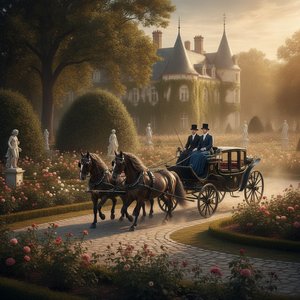
I giardini di Arlington Court offrono una deliziosa deviazione dalla tradizione formale, guidando l'occhio verso incantevoli strutture da giardino chiamate Grottesca . Progettate da Carl Laublin, queste strutture — ispirate alle mistiche grotte romane — sono adornate con intagli intricati e mosaici che conferiscono una qualità eterea, quasi onirica, ai giardini curati. Questo senso di meraviglia si estende al Carriage Museum, uno spazio in cui l'ingegneria incontra la grande arte.All'interno di questa collezione, si incontra una straordinaria gamma di veicoli trainati da cavalli, che spaziano tra:
- Eleganti carrozze di stato realizzate con dettagli meticolosi e adornate con tessuti opulenti, specchio dello status sociale dei loro proprietari.
- Pratici veicoli da lavoro che erano vitali per il trasporto di merci e persone attraverso le zone rurali del Devon.